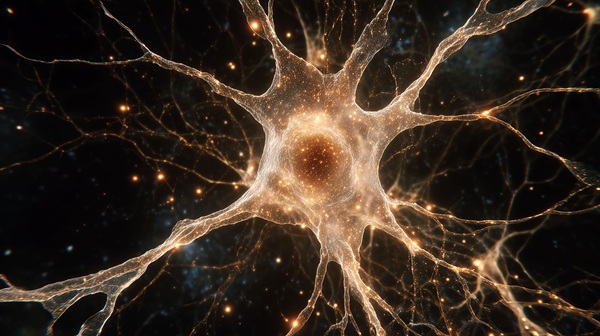
Broccoli Compound Stimulates Immune System in Mouse Model
By Biotechdaily staff writers
Posted on 30 Aug 2007
The indole 3,3'-diindolylmethane (DIM) found in broccoli and related vegetables has been shown in a recent study to be an effective immune system stimulator.Posted on 30 Aug 2007
Investigators at the University of California (Berkeley, USA) were following up reports that DIM was able to inhibit the growth of certain types of cancer cells. To this end they studied the overall effect of DIM on the mouse immune system.
The researchers evaluated the results of treatment with DIM in a panel of mouse immune function tests that included splenocyte proliferation, reactive oxygen species (ROS) generation, cytokine production, and resistance to viral infection. Results published in the August 20, 2007, online edition of the Journal of Nutritional Biochemistry revealed that DIM induced proliferation of splenocytes as well as augmented mitogen- and interleukin (IL)-2-induced splenocyte proliferation. DIM also stimulated the production of ROS by mouse macrophage tissue cultures. Oral administration of DIM to the mice, but not intraperitoneal injection, induced elevation of the serum cytokines IL-6, granulocyte colony-stimulating factor (G-CSF), IL-12, and interferon-gamma.
In a model of enteric virus infection, oral DIM administration to mice enhanced both clearance of reovirus from the GI tract and the subsequent mucosal IgA response.
"The effects of DIM were transient, with cytokine and lymphocyte levels going up and then down, which is what you would expect with an immune response,” said senior author, Dr. Leonard Bjeldanes, professor of toxicology at the University of California, Berkeley. "Interestingly, to obtain the effects on the immune response, DIM must be given orally, not injected. We provide clear evidence that DIM is effective in augmenting the immune response for the mice in the study, and we know that the immune system is important in defending the body against infections of many kinds and cancer. This finding bodes well for DIM as a protective agent against major human maladies.”
Related Links:
University of California




Platinum Member

Automated Coagulation Analyzer
Hemolumi H6
Gold Member

Nucleic Acid Extractor System
NEOS-96 XT

Automatic CLIA Analyzer
Shine i6000

Immunofluorescence Analyzer
IFA System