Statins Fail to Lower Levels of Cancer-Stimulating Hormones
By Biotechdaily staff writers
Posted on 30 Aug 2007
Researchers have shown that the popular cholesterol-lowering statin family of drugs does not protect against prostate cancer by reducing the production of male hormones that contribute to prostate cancer growth.Posted on 30 Aug 2007
Investigators at the New England Research Institutes (Watertown, MA, USA) sought to validate or invalidate the theory that cholesterol reduction by statins would inhibit production of prostate cancer stimulating male hormones. To this end, they examined data from the Boston Area Community Health (BACH) survey. The medical histories of 1,812 men, including 237 statin users, were evaluated and their blood was analyzed for free testosterone, total testosterone, and other associated compounds.
Results presented in the August 2008 issue of the journal Cancer Epidemiology, Biomarkers, & Prevention revealed that there was no relationship between statin use and free testosterone, dehydroepiandrosterone sulfate, or luteinizing hormone. An apparent significant association between total testosterone and statin use was noted, but this relationship was shown to be due to the fact that these subjects were older, had larger body mass index and more chronic illnesses, and used more medications than those not using statins.
"We know that men with higher body mass index, diabetes, and cardiovascular disease tend to have lower testosterone levels, and this largely accounted for the drop in testosterone in statin users,” said first author Dr. Susan A. Hall, a researcher at the New England Research Institutes. "The public health significance is that our study provides evidence that statins may not have a clinically meaningful impact on testosterone in the blood, although further studies should be done. That does not mean that statins may be lowering prostate cancer risk through one or more alternative pathways, but it does not appear to be working through reduction of male hormones.”
Related Links:
New England Research Institutes




Platinum Member

Automated Coagulation Analyzer
Hemolumi H6
Gold Member

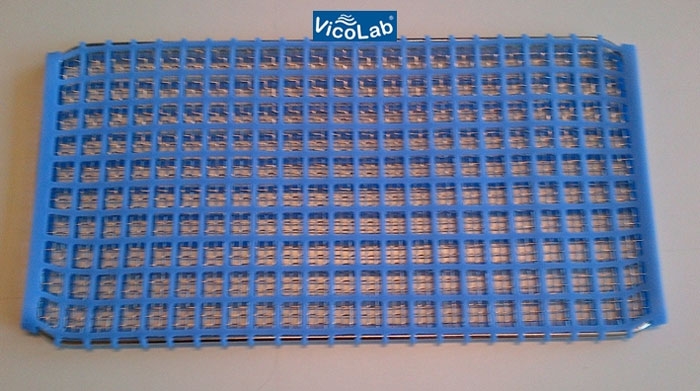
NEW PRODUCT : SILICONE WASHING MACHINE TRAY COVER WITH VICOLAB SILICONE NET VICOLAB®
REGISTRED 682.9
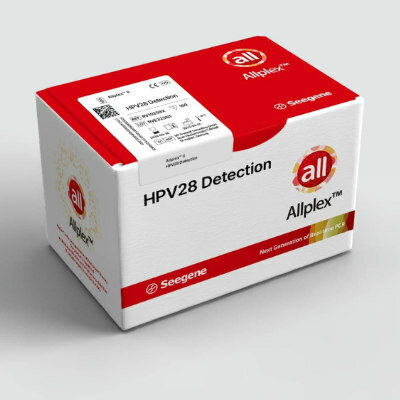

HPV Test
Allplex HPV28 Detection
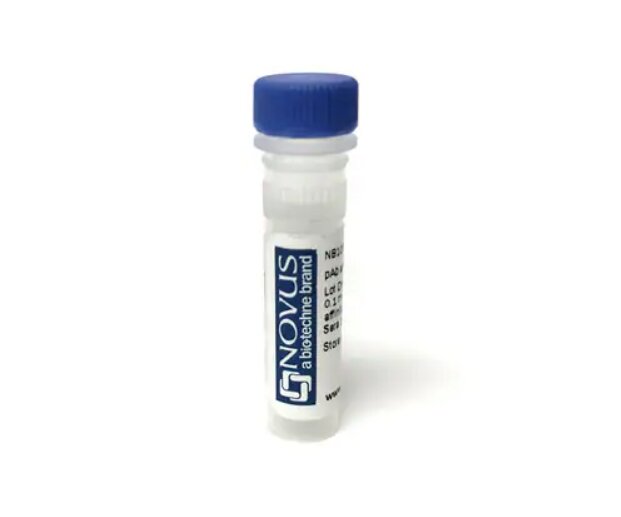

LAIR2 Antibody Pair Set
LAIR2 Antibody Pair [Biotin]