Commonly Used Anesthetic Reverses Adverse Effects of Cocaine
By Biotechdaily staff writers
Posted on 29 Aug 2007
Researchers have found that a commonly used anesthetic can reverse many of the effects of cocaine on the cardiovascular system, including lowering elevated heart rate and blood pressure.Posted on 29 Aug 2007
Investigators at the University of Texas Southwestern Medical Center (Dallas, USA) studied the interaction of cocaine and the anesthetic dexmedetomidine. Dexmedetomidine is a sedative medication used by intensive care units and anesthesiologists. It is relatively unique in its ability to provide sedation without causing respiratory depression. Its mechanism of action is agonism of alpha-2 receptors in certain parts of the brain. The drug is used as a sedative and analgesic to relax the patient prior to and during surgery.
The study was carried out by using microelectrodes to measure skin sympathetic nerve activity (SNA) and skin blood flow as well as heart rate and blood pressure before and after intranasal cocaine use in a group of 22 healthy volunteers who had never used cocaine. Some of the subjects received cocaine alone, while others received it in combination with dexmedetomidine or saline.
Results published in the August 14, 2007 issue of the Journal of the American College of Cardiology revealed that during intranasal cocaine use alone, SNA increased by two-fold and skin vascular resistance increased from 13.2 to 20.1 resistance units, while mean arterial pressure increased by 14 mm Hg and heart rate by 18 beats per minute. Dexmedetomidine abolished these increases, whereas intravenous saline was without effect. Dexmedetomidine was equally effective in counteracting effects of cocaine in subjects with a rare genetic mutation (the alpha-2CDel322-325 polymorphism) thought to disrupt the effects of dexmedetomidine.
"Typically, patients with cocaine overdoses in the emergency room are treated with nitroglycerin, sedatives such as Valium, and some blood-pressure medications such as calcium channel blockers and some beta blockers,” said senior author Dr. Wanpen Vongpatanasin, associate professor of internal medicine at the University of Texas Southwestern Medical Center. "However, the standard treatments do not alleviate all of the adverse effects of cocaine on the heart, blood pressure, and central nervous system. We have found that cocaine's effects on the cardiovascular system can be reversed by the use of a drug called dexmedetomidine, which is currently approved by the Food and Drug Administration for anesthetic purposes in operating rooms or intensive care units.”
Related Links:
University of Texas Southwestern Medical Center




Platinum Member

Automated Coagulation Analyzer
Hemolumi H6
Gold Member

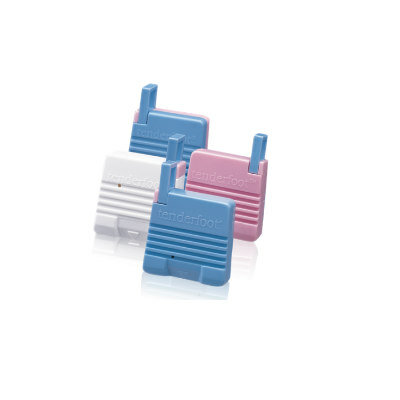
Neonatal Heel Incision Device
Tenderfoot
New

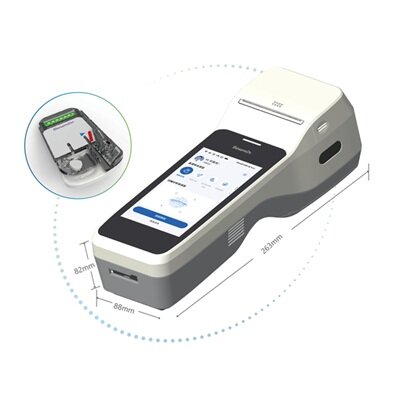
Portable POCT Blood Gas Analyzer
BD100


Automatic CLIA Analyzer
Shine i6000