Revised Criteria Proposed for Diagnosis of Alzheimer's Disease
By Biotechdaily staff writers
Posted on 06 Aug 2007
New criteria have been proposed for the diagnosis of Alzheimer's disease (AD). Posted on 06 Aug 2007
Distinctive and reliable biomarkers are now available for the diagnosis of Alzheimer's disease. These are obtained by cerebrospinal fluid (CSF) analysis, positron emission tomography (PET) neuroimaging, and structural magnetic resonance imaging (MRI).
Recommendations for the new criteria, based on a consensus of an international working group of AD experts, are intended to replace the existing recommendations originally published in 1984 by the U.S. National Institute of Neurological Disorders and Stroke-Alzheimer's Disease and Related Disorders. The team of experts aimed to capture both the earliest stages, before full-blown dementia, as well as the full spectrum of the illness. Validation studies in existing and prospective cohorts are needed to advance these criteria and optimize their sensitivity, specificity, and accuracy.
The new criteria are centered on a clinical core of early and significant episodic memory impairment. The team stipulated that there must also be at least one or more abnormal biomarkers among structural neuroimaging with MRI, molecular neuroimaging with PET, and cerebrospinal fluid analysis of amyloid ß or tau proteins. The timeliness of these criteria is highlighted by the many drugs in development that are directed at changing pathogenesis, particularly the production and clearance of amyloid ß as well as at the hyperphosphorylation state of tau.
Fifteen publications have reported the sensitivity and specificity of the p-tau 231 CSF-based test to be within the range of 85-95 % in various patient populations; one publication showed that the test also has a positive correlation with autopsy confirmation of AD, which is the current gold standard of diagnosis methods.
A report of the group's conclusions was published in the August 2007 issue of The Lancet Neurology. Measurement of the concentration of p-tau, notably p-tau 231, increases the specificity for AD, especially in contrast to fronto-temporal lobar degeneration, the authors wrote.




Platinum Member

Automated Coagulation Analyzer
Hemolumi H6
Gold Member

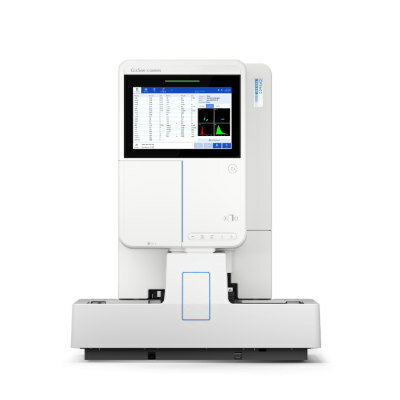
Automatic Hematology Analyzer
CF9600
New
Gold Member

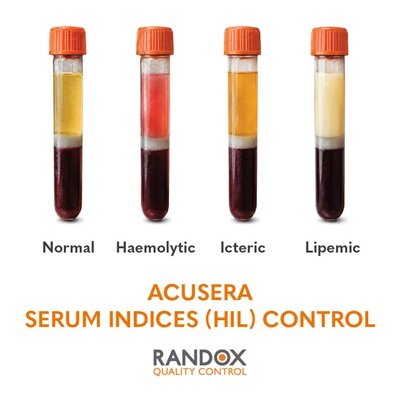
Serum Indices Control
Acusera Serum Indices Control
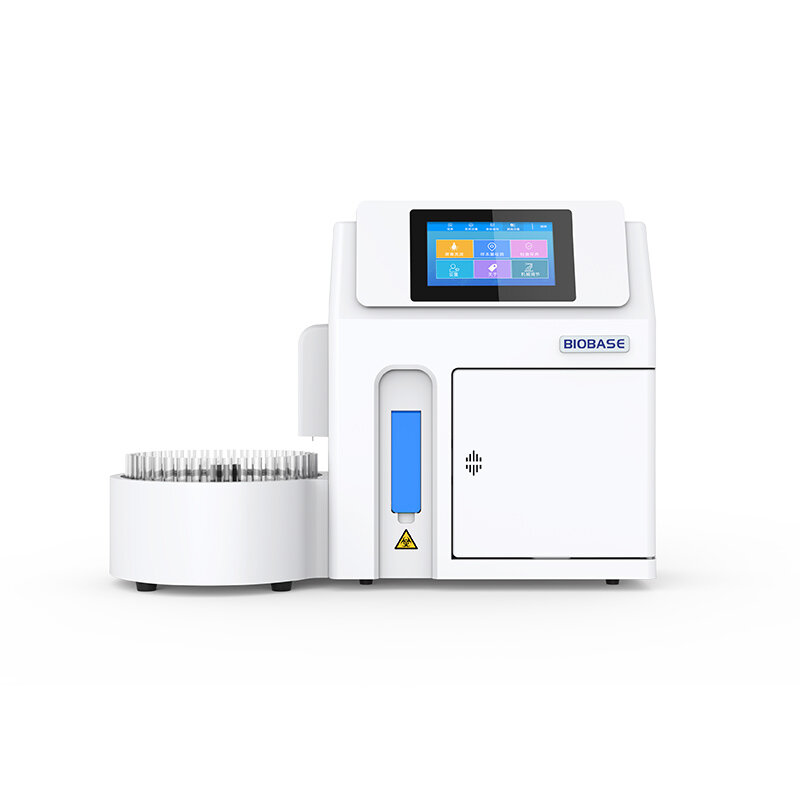

Electrolyte Analyzer
BKE-B