Cells Encouraged to Self-Digest Huntington's Disease Cells
By Biotechdaily staff writers
Posted on 15 May 2007
Scientists have developed an innovative approach for fighting neurodegenerative diseases such as Huntington's disease: encouraging an individual's own cells to devour the malformed proteins that lead to the disease.Posted on 15 May 2007
Huntington's disease is one of a number of degenerative diseases typified by clumps of malformed protein in brain cells. Symptoms include abnormal movements and psychiatric problems such as depression and a form of dementia. The gene responsible for the disease was discovered in 1993, leading to a better determination of the condition and to improved predictive genetic testing, but it has yet to lead to any treatments that slow down the neurodegeneration in Huntington's disease patients.
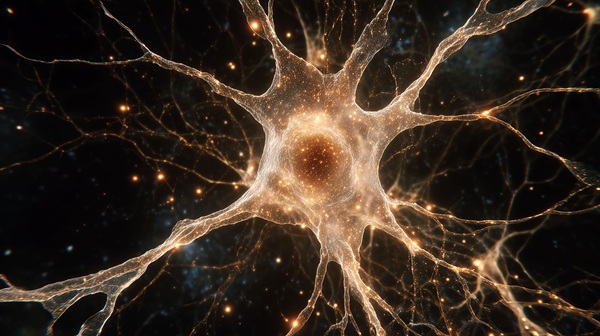
Prof. David Rubinsztein, a Wellcome Trust (London, UK) senior clinical fellow at the University of Cambridge (UK), has been studying the molecular biology underlying Huntington's and other neurodegenerative diseases. Huntington's occurs when a protein known as huntingtin builds up in the brain cells of patients, principally in neurons in the basal ganglia and in the cerebral cortex. Usually, cells dispose of or recycle their waste material, including useless or mis-folded proteins, through a mechanism known as autophagy, or "self-eating.”
"We have shown that stimulating autophagy in the cells--in other words, encouraging the cells to eat the malformed huntingtin proteins--can be an effective way of preventing them from building up,” stated Prof. Rubinsztein. "This appears to stall the onset of Huntington's-like symptoms in fruit flies and mice, and we hope it will do the same in humans.”
Autophagy can be induced in mouse and fly models by administering the drug rapamycin, an antibiotic used as an immunosuppressant for transplant patients. However, given over the long term, the drug has some side effects, and Prof. Rubinsztein and colleagues are trying to find safer ways of inducing autophagy long term.
Now, Prof. Rubinsztein, together with Prof. Stuart Schreiber's lab at the Broad Institute of Harvard/Massachusetts Institute of Technology (MIT; Boston, MA, USA), and Dr. Cahir O'Kane's group in the department of genetics at the University of Cambridge have found a way of identifying novel small molecules capable of inducing autophagy. The study findings were published in the May 8, 2007, issue of the journal Nature Chemical Biology.
The screening process involves identifying small molecules that enhance or suppress the ability of rapamycin to slow the growth of yeast, although the selected molecules have no effects on yeast growth by themselves. Yeast is a single-celled organism and therefore less complicated to study for initial screening purposes.
Three of the molecules that enhanced the growth-suppressing effects of rapamycin in yeast were also found to trigger autophagy by themselves in mammalian cells independent of the action of rapamycin. These molecules enhanced the ability of the cells to get rid of mutant huntingtin in cell and fruit fly models and protect against its toxic effects.
"These compounds appear to be promising candidates for drug development,” stated Prof. Rubinsztein. "However, even if one of the candidates does prove to be successful, it will be a number of years off becoming available as a treatment. In order for such drugs to be useful candidates in humans, we will need to be able to get them into right places in the right concentrations, and with minimal toxicity. These are some of the issues we need to look at now.”
Related Links:
Wellcome Trust
University of Cambridge




Platinum Member

Automated Coagulation Analyzer
Hemolumi H6
Gold Member

Automatic Hematology Analyzer
CF9600

New

Automated Immunoassay Analyzer
SuperFlex™

New
Gold Member

Serum Indices Control
Acusera Serum Indices Control