Memory Loss from Alzheimer's May One Day be Reversible
By Biotechdaily staff writers
Posted on 10 May 2007
A new study suggests it may one day be possible to reverse the memory loss linked to Alzheimer's disease (AD) and similar degenerative brain disorders.Posted on 10 May 2007
Scientists at the Massachusetts's Institute of Technology's (MIT; Cambridge, MA, USA) Picower Institute for Learning and Memory placed laboratory mice with induced brain atrophy in an enriched environment; a "playground” where they had the company of other mice, were given new colorful toys to play with every day, and were able to exercise on wheels. The enriched-environment mice recovered long-term memories while mice kept in a bare cage on their own did not.
Li-Huei Tsai, a professor of neuroscience in the department of brain and cognitive sciences, and her colleagues achieved the same results when they gave the brain atrophied mice a new type of research compound called histone deacetylase (HDAC) inhibitors.
Neurodegenerative diseases of the central nervous system are frequently accompanied by impaired learning and memory, and ultimately dementia. Researchers have been trying to find ways to reverse the process and re-establish the ability to learn and remember.
In this study, Prof. Tsai, who as a child in Taipei, witnessed her grandmother's decline into dementia, demonstrated it was possible to "re-established access to long-term memories after significant brain atrophy and neuronal loss had already occurred.”
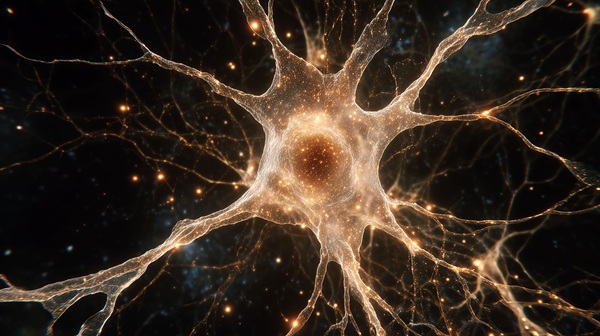
The stimulated mice's brain cells had grown new dendrites and produced new synapses--in effect, reversing the degeneration. Prof. Tsai said, "This is exciting because our results show that learning ability can be improved and ‘lost' long-term memories can be recovered even after a significant number of neurons have already been lost in the brain. This hints at the possibility that cognitive function can be improved even in advanced stages of dementia.”
Prof. Tsai and her team used genetically modified mice in which expression of p25, a protein associated with degenerative brain diseases, could be turned on and off with a change in their diet. They trained the mice to avoid electric shocks and find their way around mazes to reach food, and then induced the brain degeneration via the p25 protein switch.
After six weeks, the mice could not remember what they had learned. Some of the mice were put in the enriched environment with other mice and some were put in cages on their own. The mice in the enriched environment remembered the maze and shock test much better than the isolated mice, and they were also much better at learning new things.
Giving the mice HDAC inhibitors produced the same effect as living in an enriched environment. HDACs help genes that have been too tightly jammed in the nucleus of cells to express themselves and make proteins.
Histone is a protein that makes chromatin. Chromatin does several things, but basically, it helps to package the DNA so it will fit into the cell nucleus and it is also involved in regulating gene expression. Acetylation modifies histone, which modifies chromatin. Deacetylation stops this process. Therefore, suppressing deacetylation reverses the process and allows histone and chromatin to start functioning again.
HDACs have been increasingly used by researchers in other applications, for instance, in clinical trials with Huntington's disease patients. Some HDACs are already available to help chemotherapy agents target DNA by opening up the chromatin structure. However, as Prof Tsai said, "to our knowledge, HDACs have not been used to treat Alzheimer's disease or dementia. Future research should address whether HDAC inhibitors will be effective for treating neurodegenerative diseases.”
Hypothesizing on their results, Prof. Tsai and her colleagues suggested that, conceivably, degenerative brain diseases such as AD do not destroy memories, but make them inaccessible in some way. Many treatments for AD and other brain degenerative disorders target the early stages, whereas this study suggests memory and learning may be restorable even when the brain is already quite damaged.
A new report from the Alzheimer's Association reported there are now more than 5 million individuals living with the disease in the United States. This includes 4.9 million people over the age of 65 and between 200,000 and 500,000 under 65 with early onset Alzheimer's disease and other dementias. The biggest known risk factor is age.
The study was published in the April 29, 2007, advance online issue of the journal Nature.
Related Links:
Massachusetts's Institute of Technology




Platinum Member

Automated Coagulation Analyzer
Hemolumi H6
Gold Member

Nucleic Acid Extractor System
NEOS-96 XT

POC Immunoassay Analyzer
Procise DX
New

Fully Automated Urinalysis System
DxU 1800 Fully Automated Urinalysis System