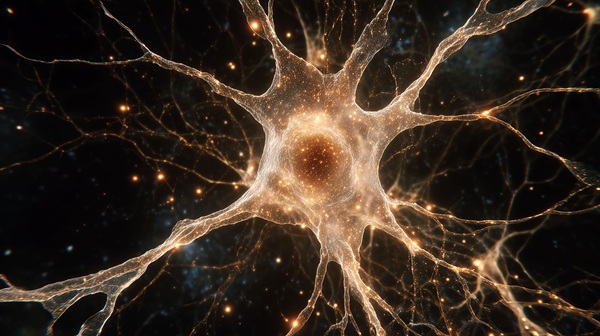
Stem Cells Replace Damaged Olfactory Nerve Cells
By Biotechdaily staff writers
Posted on 01 May 2007
Researchers have identified a backup supply of stem cells that can repair the most severe damage to the nerves responsible for a person's sense of smell. These reservists normally lie around and do nothing, but when neighboring cells die, according to the scientists, the stem cells jump into action. Posted on 01 May 2007
A report on the discovery was published in the April 2007 online issue of the journal Nature Neuroscience. These stem cells act like the army reserves of our nose, supporting a class of active-duty stem cells that help repair normal wear and tear, explained lead author Randall Reed, Ph.D., professor of neuroscience at Johns Hopkins University (Baltimore, MD, USA). They don't come in until things are really bad.
The only nerve cells in the body to run directly from the brain to the outside world, olfactory cells are under constant assault from harsh chemicals that one might happen to catch a whiff of by accident, risking damage or death.
To figure out how the olfactory system repairs severely damaged nerve cells, Prof. Reed's team exposed mouse olfactory nerves to a cloud of toxic methyl-bromide gas. Methyl bromide kills olfactory nerve cells and neighboring, non-nerve cells in the nasal passage. Three weeks after chemical exposure, the researchers examined nasal cells to see which, if any, had grown back.
They discovered that the newly grown cells, both nerve and non-nerve grew from horizontal basal cells (HBCs), or a population of cells not previously known for repair abilities. We were stunned because HBCs normally don't grow much or do anything, said Prof. Reed. And the most surprising thing is that HBCs can grow into both nerves and non-nerve cells; they do so by generating the other active type of nasal stem cell.
The team then looked at nerve repair under less damaging circumstances where only the olfactory nerve cells are killed. In this situation, the HBCs did nothing to repair the damaged cells; rather, they allowed the previously known stem cells to do all the repair work.
The ability to smell is crucial for eating, mating, and survival, and it's important that the olfactory system be fully operational all the time, explained Prof. Reed. The HBCs act as a fail-safe to ensure continued function of the sense of smell.
Related Links:
Johns Hopkins University




Platinum Member

Automated Coagulation Analyzer
Hemolumi H6
Gold Member

NEW PRODUCT : SILICONE WASHING MACHINE TRAY COVER WITH VICOLAB SILICONE NET VICOLAB®
REGISTRED 682.9

Manual Pipetting Aid
Pipette Controllers macro
New

Slide Scanner System
NanoZoomer S540MD