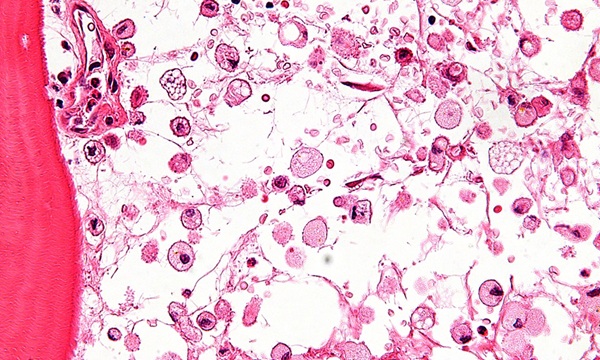
Possible Therapeutic Use for a Cardiac RNA Fragment
By Biotechdaily staff writers
Posted on 05 Apr 2007
Cardiac disease researchers have found that the gene coding for the alpha-myosin heavy chain (MHC) contractile protein also produces an RNA fragment that regulates cardiac growth and gene expression in response to stress and hormonal signaling.Posted on 05 Apr 2007
The heart responds to diverse forms of stress by hypertrophic growth accompanied by fibrosis and eventual diminution of contractility due to reduced production of alpha-MHC and increased production of the less efficient beta-MHC contractile proteins.
To study the molecular basis for the heart's response to stress, investigators at the University of Texas Southwestern Medical Center (Dallas, USA) genetically engineered a strain of mice to lack the segment of the alpha-MHC gene that produces the miR-208 RNA fragment. This mouse population was then exposed to various chemical or physical stress factors, and the subsequent effect on the animals' hearts was determined. Results published in the March 22, 2007, online edition of Science Express revealed that the engineered mice lacking miR-208 maintained normal heart morphology with low levels of beta-MHC. This was in contrast to normal mice exposed to the same stress factors that suffered heart damage and increased beta-MHC production.
"We have discovered a new and completely unanticipated mechanism for regulating the contractility of the heart,” said senior author Dr. Eric Olson, professor of molecular biology at the University of Texas Southwestern Medical Center. "We are very excited about the therapeutic implications, but we still have much work left to do. Although miR-208 appears to damage the heart during stress, it may have beneficial functions for maintaining normal action of heart muscle cells. So any therapeutic approach would probably need to target its harmful stress responses while leaving normal function alone.”
Related Links:
University of Texas Southwestern Medical Center




Platinum Member

Automated Coagulation Analyzer
Hemolumi H6
Gold Member

Aspiration System
VACUSAFE

Automated Urinalysis Solution
UN-9000

CMV CLIA Diagnostic
CLIA CMV IgA Screen Group