






Defeat Leaves Molecular Scar in Brain
By Biotechdaily staff writers
Posted on 15 Mar 2006
Researchers studying a mouse model of depression found that repeated defeat by dominant animals leaves a mouse with an enduring molecular scar in its brain, which may help to explain why depression is so difficult to cure.Posted on 15 Mar 2006
In the mouse model, silencer molecules turned off a gene for a key protein in the brain's hippocampus. After activating a compensatory mechanism, an antidepressant was able to temporarily restore the animal's sociability and the protein's expression but failed to remove the silencers. A true cure for depression would probably have to target this scar, according to the researchers, from the University of Texas Southwestern Medical Center (Dallas, TX, USA). Their findings were reported in the February 26, 2006, online edition of Nature Neuroscience.
Mice exposed to aggression by a different dominant mouse daily for 10 days became socially defeated and strongly avoided other mice, even weeks later. The expression of a representative gene in the hippocampus, a memory center implicated in depression, fell three-fold and remained suppressed for weeks. Chronic treatment with imipramine, a tricyclic antidepressant, restored expression of the gene for brain-derived neurotrophic factor (BDNF) to normal levels and reversed social withdrawal behavior.
The researchers traced the gene expression changes to long-lasting modifications in histones, which are proteins that regulate the turning on-and-off of genes via methylation. The drug imipramine was unable to remove these silencer molecules, suggesting that they remained as a latent source of vulnerability to future stress.
"The molecular scar induced by chronic stress in the hippocampus, and perhaps elsewhere in the brain, can't easily be reversed,” noted lead researcher Eric Nestler, M.D., of the Southwestern Medical Center. "To really cure depression, we probably need to find new treatments that can remove the silencer molecules.”
Related Links:
U. Texas Southwestern Medical Center




Platinum Member

Automated Coagulation Analyzer
Hemolumi H6
Gold Member

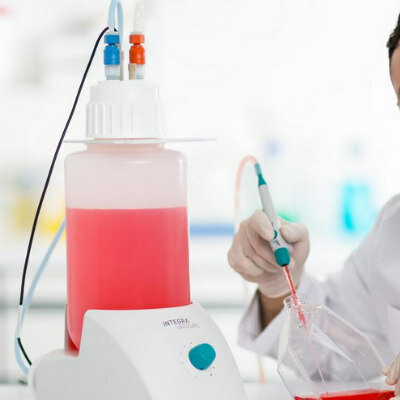
Aspiration System
VACUSAFE
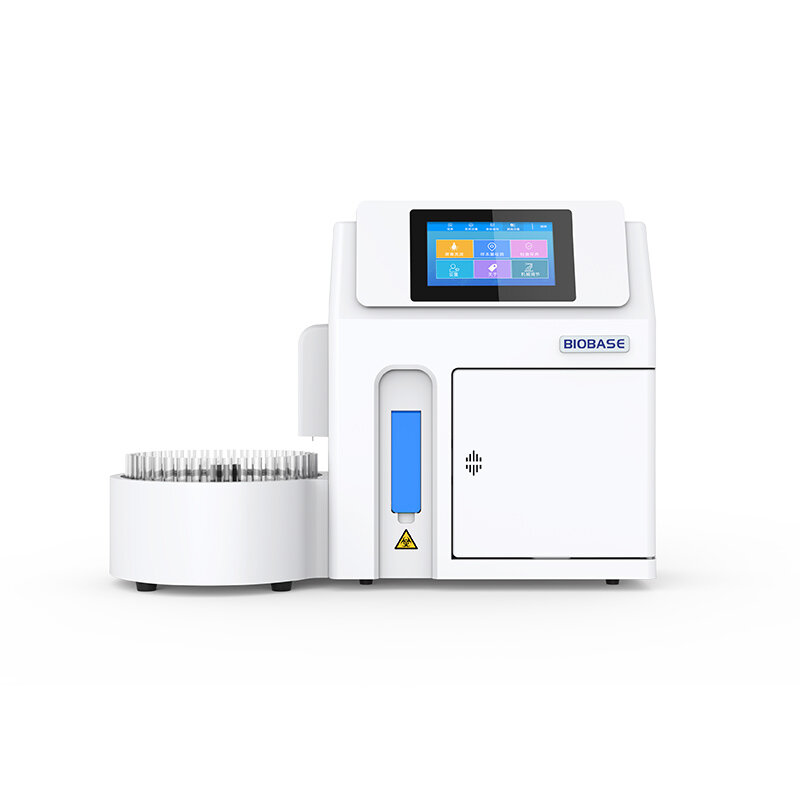

Electrolyte Analyzer
BKE-B
Platinum Member
Integrated Biochemical & Immunological System
Biolumi CX Solution X10+C10


