






Air Pollution and Fatty Diet Bad for Heart
By Biotechdaily staff writers
Posted on 28 Dec 2005
A two-year study has found that mice fed a high-fat diet and exposed to fine particle pollution had 1.5 times more plaque production than mice fed the same diet and exposed to clean filtered air. Posted on 28 Dec 2005
Among mice given clean air, those on a high-fat diet had greater plaque production and artery wall inflammation, showing that both diet and pollution contribute to the development of inflammation and plaque. The fine particle concentrations used in the study were well within the range of concentrations found in the air around major U.S. major metropolitan areas. The findings, reported in the December 21, 2005, issue of the Journal of the American Medical Association, may explain why people who live in highly polluted areas have a higher risk of heart disease.
The study was conducted by researchers at the Mount Sinai School of Medicine and the New York University School of Medicine (both in New York, NY, USA). To evaluate the effects of fine particle exposure on cardiovascular health, they used mice that were genetically programmed to develop atherosclerosis at a higher-than-normal rate. Half of the mice were placed on a regular diet, while the remaining half received food with a high fat and calorie content. Mice from both groups were then exposed to either concentrated air particles or clear, filtered air for six hours a day, five days a week, for six months.
Following this, the researchers measured plaque concentration in the aorta, the largest artery in the body, and found that among the mice fed the high-fat diet and exposed to fine particles, plaque concentrations were 1.5 times higher than in mice exposed to clear air.
"These results suggest that the fine particle exposure is actually accelerating the development of atherosclerosis in the high-fat group,” noted senior author Sanjay Rajagopalan, M.D., a vascular medicine specialist and cardiologist at the Mount Sinai School of Medicine.
Further comparison of the high-fat groups revealed that the artery walls of mice exposed to fine particle pollution were significantly more inflamed than those exposed to clear air. In addition, the fine particles had a measurable effect on the ability of the arteries to dilate, an important indicator of artery wall function. "This suggests the artery function has been compromised,” said Dr. Rajagopalan.




Platinum Member

Automated Coagulation Analyzer
Hemolumi H6
New
Gold Member

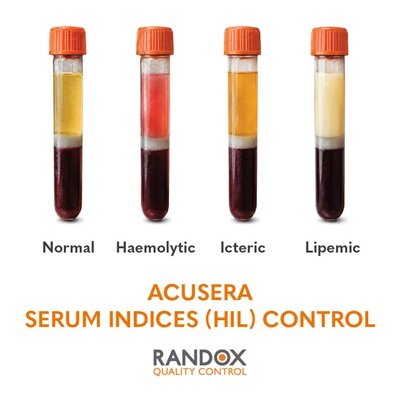
Serum Indices Control
Acusera Serum Indices Control

New

Automated Immunoassay Analyzer
SuperFlex™

Gold Member

Platelet Function Analyzer
PL-12


