Growing Need for IT in Life Sciences
By Biotechdaily staff writers
Posted on 21 Dec 2005
The growth of data and the need for regulatory compliance are driving expenditures for information technology (IT) in the life sciences. Total IT world-wide spending is forecast to reach U.S.$49.30 billion in 2011, compared to $17.10 billion in 2004, according to a new report from Frost & Sullivan (Palo Alto, CA, USA).Posted on 21 Dec 2005
Surging volumes of data in the life sciences industry have created a challenge for scientists who must collect and analyze them. In spite of the fact that life science companies have large repositories of paper-based data, there is a high market potential for IT vendors in digitizing, storing, and managing this data throughout its life cycle. Companies are also realizing the importance of combining data from various locations and storing it in a central warehouse.
"The life science industry is now in a period of transition, as it seeks to use IT to resolve the process inefficiencies that cause a lot of dollars to be wasted across the spectrum, from R&D to post-marketing,” noted Raghavendra Chitta, an industry analyst with Frost & Sullivan.
IT is proving to be a key tool in helping companies communicate regulatory requirements across business areas. Recent market withdrawals of drugs have created an increased focus on pharmacovigilance and related regulatory compliance. While big pharmaceutical companies hold potential for IT vendors because of their more mature, predictable, and large IT budgets, they are more complex customers. Drug recalls and pricing pressures have resulted in the rationalization of operational costs. The larger drug companies have already replaced legacy systems, leaving little chance for increased IT spending.
As a result, the entire selling structure in the life sciences is moving towards value-based selling and tools in the industry that generate value. IT companies, therefore, have to develop return-on-investment (ROI) models and provide proof for these values. At the same time, developing new tools that are capable, interoperative, and can run on existing infrastructure--offering customizing, consulting services, and easy integration--will also be critical to success.
Related Links:
Frost & Sullivan




Platinum Member

Automated Coagulation Analyzer
Hemolumi H6
New
Gold Member

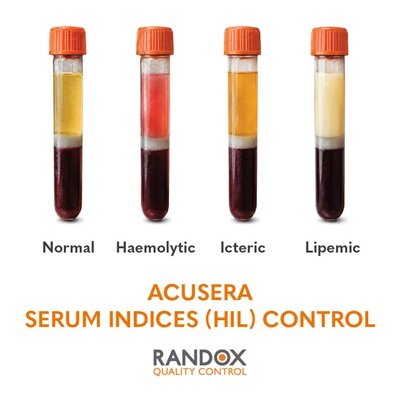
Serum Indices Control
Acusera Serum Indices Control
Gold Member

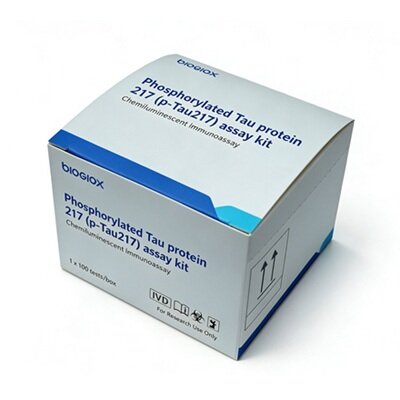
Blood-Based Protein Biomarker Solution for Alzheimer's Disease
BG-DTi2000.
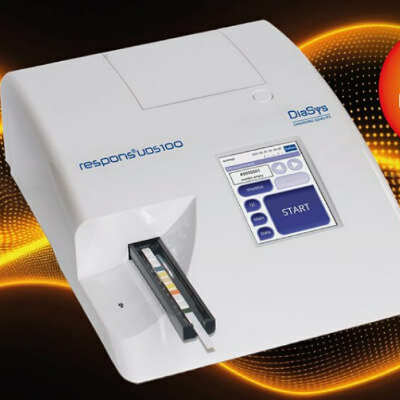
Urine Analyzer
respons® UDS100