$100 Million Project to Explore Cancer
By Biotechdaily staff writers
Posted on 19 Dec 2005
A comprehensive effort to accelerate the understanding of the molecular basis of cancer by using such tools as large-scale genome sequencing has been announced by the U.S. National Cancer Institute (NCI) and the U.S. National Human Genome Research Institute (NHGRI), part of the U.S. National Institutes of Health (Bethesda, MD, USA).Posted on 19 Dec 2005
The project, called The Cancer Genome Atlas (TCGA), is to begin with a pilot program that will determine the feasibility of a full-scale effort to explore the universe of genomic changes involved in human cancer. NCI and NHGRI have each committed U.S.$50 million over three years to the TCGA. This pilot will involve a few types of cancer chosen for their value in helping to determine the feasibility of a possible larger-scale project.
Cancer is understood to include more than 200 different diseases. In all forms, genomic changes cause disruptions within cellular pathways that result in uncontrolled cell growth. TCGA will delve more deeply into the genetic origins leading to this set of diseases and will create new discoveries and tools that will provide the basis for a new generation of cancer therapies, diagnostics, and preventive strategies.
A human cancer biospecimen core resource will support the collection, processing, and distribution of cancerous and healthy control tissue samples to Cancer Genome Characterization Centers and Genome Sequencing Centers. At the latter, the genes and genomic targets will be sequenced by using high-throughput methods similar to those used in the Human Genome Project. The pilot program will seek to identify genetic mutations in the DNA code that are specifically associated with the type of cancer being sequenced.
The data from TCGA centers will be deposited in public databases and will be made available to the worldwide research community. These data will provide the researchers with an early glimpse of what is hoped will evolve into a comprehensive "atlas” of information describing the genomes of all cancers. This atlas will enable researchers throughout the world to analyze and use the data in their own research to develop new diagnostics and therapies for different cancers.
TCGA will also support the development of new technology. Some will focus on improving current technologies, while others will emphasize new approaches, such as epigenomics. This approach explores how various small molecules, such as methyl groups, when added or removed from DNA, can have profound effects on gene function.
"Such an ambitious venture requires significant planning,” noted Francs S. Collins, M.D., Ph.D., director, NHGRI. "Given the genetic complexity of cancer, we are certain to face many daunting challenges in this pilot. But by pulling together some of the best minds in the cancer and genomics research communities, I am confident that the pilot will succeed, and we will go on to develop an atlas that will accelerate cancer research in ways we cannot even imagine today.”
Related Links:
.S. National Institutes of Health




Platinum Member

Automated Coagulation Analyzer
Hemolumi H6
Gold Member

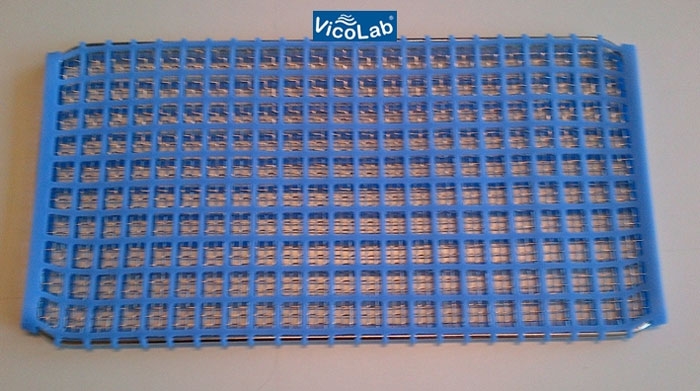
NEW PRODUCT : SILICONE WASHING MACHINE TRAY COVER WITH VICOLAB SILICONE NET VICOLAB®
REGISTRED 682.9
New
Silver Member

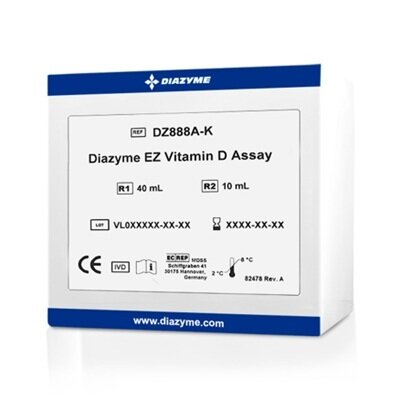
Vitamin D Assay
EZ Vitamin D Assay
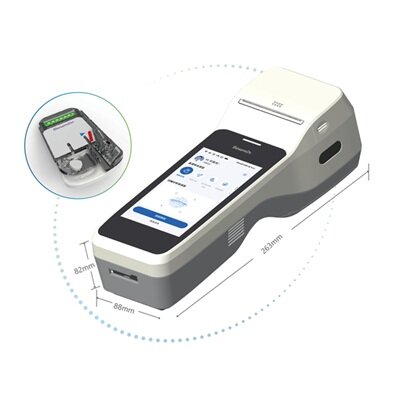

Portable POCT Blood Gas Analyzer
BD100