






Molecular Mechanisms of Rheumatoid Arthritis
By Biotechdaily staff writers
Posted on 24 Nov 2005
Researchers studying the molecular mechanisms underlying rheumatoid arthritis (RA) have found that two cytokines, APRIL (A Proliferation-Inducing Ligand) and BlyS (B-Lymphocyte Stimulator), regulate B-cell as well as T-cell function and have both pro- and anti-inflammatory activities.Posted on 24 Nov 2005
Investigators at Emory University School of Medicine (Atlanta, GA, USA) worked with an immune-system-deficient mouse model. The animals received transplants of human tissues from patients with one of three different forms of RA: diffuse, where T and B lymphocytes seem to infiltrate tissue randomly, resulting in autoimmune inflammation; aggregate synovitis, where T-cells and B-cells collect and inflame the joints; and germinal center synovitis, where T-cells, B-cells, and other supporting cell populations penetrate the joints and acquire a highly complex and organized micro-architecture that resembles conditions in an inflamed lymph node.
Results published in the November 2005 issue of the Journal of Clinical Investigation revealed that inhibition of APRIL and BlyS resulted in a differential response to the transplanted RA tissues. The inflammatory lymph node-like structures characteristic of tissue from patients with germinal center synovitis completely collapsed after transplantation into mice. This effectively stopped the inflammatory process. However, transplantation of the other two types of disease tissues stimulated production of growth factors, and inflammation actually increased.
"Physicians and patients already have been aware that some people respond to therapy while others do not,” explained senior author Dr. Cornelia Weyand, professor of medicine at Emory University. "Our research helps us explain why. These molecules have both pro- and anti-inflammatory activity, and the trial-and-error method of treatment may not be best for the patient. The goal of current RA treatment is to suppress the immune system, but we need to recognize that nature has developed anti-inflammatory pathways that we may be able to utilize. We want to move away from making global, unsophisticated diagnoses and design therapy plans for patients that match their particular needs. We can gain clues from nature about how it inhibits inflammation that will allow us to develop a whole new way of managing the auto-immune response.”




Platinum Member

Automated Coagulation Analyzer
Hemolumi H6
Gold Member

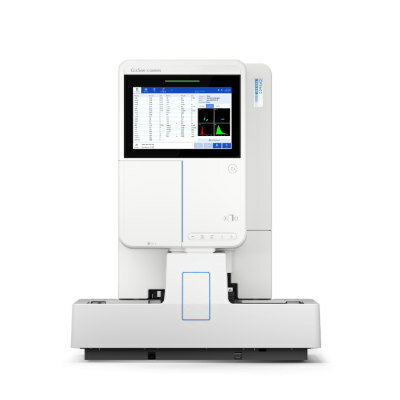
Automatic Hematology Analyzer
CF9600
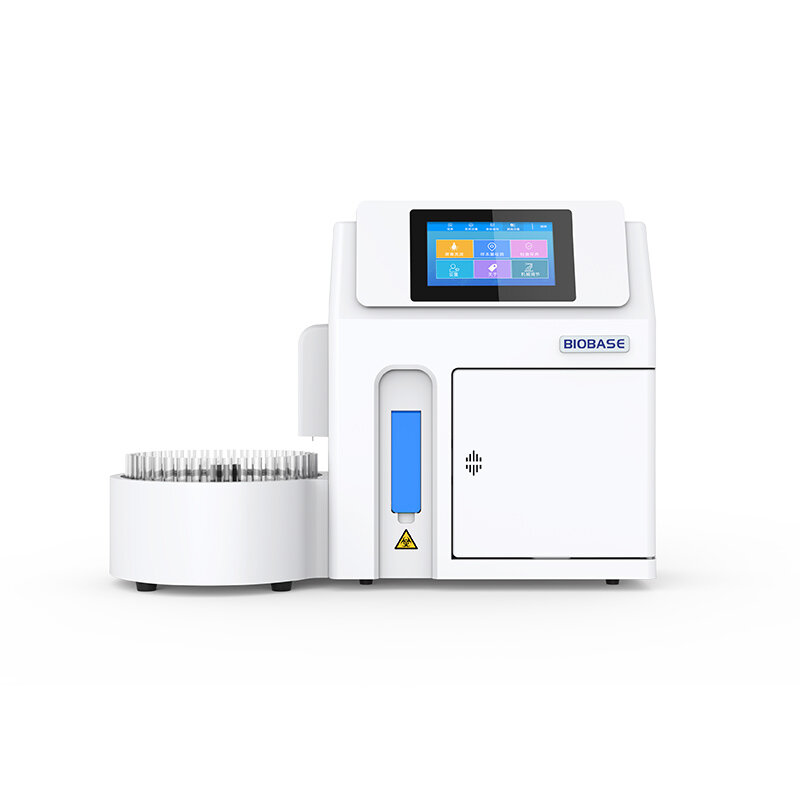

Electrolyte Analyzer
BKE-B
Gold Member

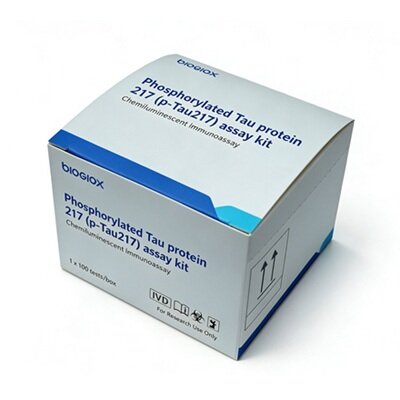
Blood-Based Protein Biomarker Solution for Alzheimer's Disease
BG-DTi2000.


