






Apigenin Slows Growth of Prostate Cancer
By Biotechdaily staff writers
Posted on 09 Nov 2005
Researchers have identified a molecular mechanism involving insulin-like growth factor-1 (IGF-1) that may clarify how the plant flavonoid apigenin inhibits the growth of cancer cells. IGF-1 is a protein hormone similar in molecular structure to insulin. IGF-1 plays an important role in childhood growth and continues to have anabolic effects in adults.Posted on 09 Nov 2005
Apigenin (4, 5, 7, - trihydroxyflavone) is a member of a low-molecular-weight family of compounds that is found in great abundance in green plants, cocoa, and green tea. Various studies have shown that apigenin reduced inflammation and oxidative stress and exerted growth-inhibitory effects on cancer cells.
In the current study, published in the October 17, 2005, online edition of the Federation of American Societies for Experimental Biology Journal, investigators at Case Western Reserve University (Cleveland, OH, USA), reported findings that explained how apigenin works at the cellular level.
They created a mouse model of prostate cancer by transplanting an androgen-sensitive human prostate carcinoma into athymic male nude mice. In one set of experiments, the mice were treated with apigenin before and after the transplant, while in a second set the mice received apigenin only after the transplant. In both cases, tumor growth was inhibited (from 44 to 59% and from 39 to 53%, respectively). Apigenin treatment did not appear to cause any adverse side effects such as weight gain or changes in diet.
Isolated prostate cancer cells growing in tissue culture were treated with apigenin. This treatment resulted in cell growth inhibition and induction of apoptosis, which correlated with increased accumulation of IGFBP-3 (insulin-like growth factor binding protein) in culture medium and cell lysate.
"Apigenin may prove useful in the prevention and therapy of prostate cancer by shutting off the IGF (insulin-like growth factor) signaling that leads to prostate cancer cell growth and/or development,” explained senior author Dr. Sanjay Gupta, assistant professor of urology at Case Western. "Our findings suggest that apigenin could be developed as a promising agent against prostate cancer. The next step is to evaluate apigenin action on other molecular pathways which have relevance to prostate cancer.”
Related Links:
Case Western Reserve University




Platinum Member

Automated Coagulation Analyzer
Hemolumi H6
New
Gold Member

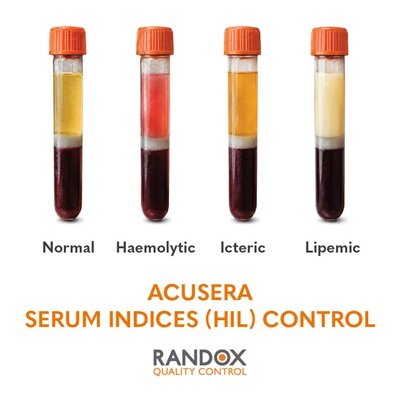
Serum Indices Control
Acusera Serum Indices Control

New

Automated Immunoassay Analyzer
SuperFlex™

New

Slide Scanner System
NanoZoomer S540MD


