






Inflammatory Protein May Be Arthritis Drug
By Biotechdaily staff writers
Posted on 31 Oct 2005
Arthritis researchers have found that a man-made, soluble version of a protein involved in eliciting inflammatory and arthritic responses was able to alleviate arthritis symptoms in a mouse model of arthritis.Posted on 31 Oct 2005
Investigators at the [U.S.] National Institute of Allergy and Infectious Disease (NIAID, Bethesda, MD, USA) synthesized a soluble version of pre-ligand assembly domain (PLAD). PLAD, a portion of the extracellular region of TNFRs (tumor necrosis factor receptors) that mediates receptor-chain association essential for signaling and guides the assembly of TNF cell surface receptors. Binding of TNF-alpha to the associated TNFR1 (also known as P60) and TNFR2 (also known as P80) complex initiates a cascade of reactions resulting in expression of symptoms of inflammation.
Results published in the October 2005 issue of Nature Medicine revealed that soluble versions of PLAD, especially those derived from P60, blocked the biochemical effects of TNF-alpha in vitro and potently inhibited arthritis in animal models. Furthermore, PLAD derived from P60 prevented TNF binding but did not inhibit other, beneficial functions of P80. PLAD did not seem to have any toxic effects.
"We found that P60 PLAD protein powerfully inhibited the symptoms of TNF-alpha-induced arthritis,” said senior author Dr. Michael Lenardo, a researcher at the [U.S.] National Institute of Allergy and Infectious Disease. "We are very hopeful that this could be good news for arthritis sufferers.”




Platinum Member

Automated Coagulation Analyzer
Hemolumi H6
Gold Member

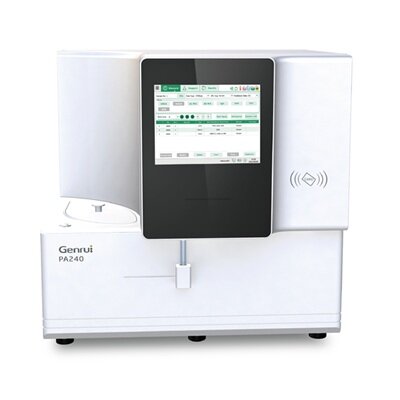
Fully-auto Specific Protein (Nephelometry) Analyzer
PA240
New

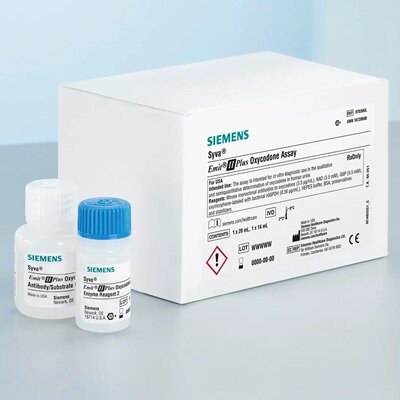
Drug Testing Assays
Atellica DT 250 Analyzer
Gold Member

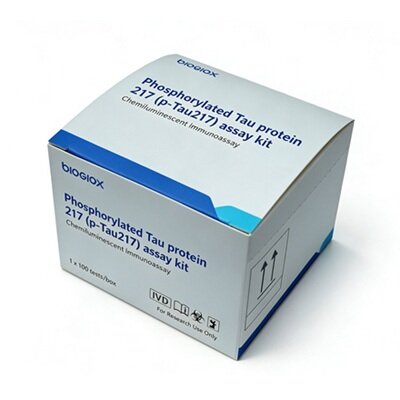
Blood-Based Protein Biomarker Solution for Alzheimer's Disease
BG-DTi2000.


