






Multinational Initiative for MS Research
By Biotechdaily staff writers
Posted on 19 Aug 2005
Four teams from Europe and the United States have been awarded U.S.$15.6 million by the U.S. National Multiple Sclerosis (MS) Society (New York, NY, USA) to lay the groundwork for clinical trials of new MS therapies over the next five years.Posted on 19 Aug 2005
The teams are based at the University of Cambridge (Cambridge, UK), University College London (UK), Johns Hopkins University (Baltimore, MD, USA), the University of Wisconsin (Madison, USA).
MS involves a misdirected immune system attack against myelin, the coating on nerve fibers that speeds nerve signals and also destroys the underlying nerve fiber itself, causing symptoms like numbness, blindness, cognitive dysfunction, and paralysis. Recent progress in controlling immune attacks coupled with advances in neurosciences have made nervous tissue repair and protection emerging areas of MS research.
The repair teams are taking multifaceted approaches to protecting brain tissues and finding ways to rebuild the central nervous system. The teams will meet regularly to help foster synergy and collaboration. "Collaboration is critical to achieving our goals with these projects,” observed John R. Richert, M.D., vice president of R&D clinical programs at the National MS Society. "We know that sharing ideas and key findings will get us to the finish line that much faster.”
Neurologist Dr. Peter A. Calabresi (Johns Hopkins) and his team are searching for better ways to detect and quantify tissue injury in MS and are testing agents that may protect the nervous system from further damage. The international team headed by Prof. Charles French-Constant (University of Cambridge) is focusing on restoring myelin by identifying and amplifying natural repair factors in the brain and by attempting transplantation of replacement cells.
Dr. Gavin Giovannoni (University College London) and his team are attempting to turn cells into vehicles that will deliver repair molecules to sites of injury in the brain, and screening molecules for their protective properties. Prof. Ian D. Duncan (University of Wisconsin) is leading a team to develop better imaging technologies, such as positron emission tomography (PET) and magnetic resonance imaging (MRI) to visualize myelin and nerve fiber damage, and to detect its repair. They are also exploring cell transplantation techniques.
Related Links:
National Multiple Sclerosis Society




Platinum Member

Automated Coagulation Analyzer
Hemolumi H6
Gold Member

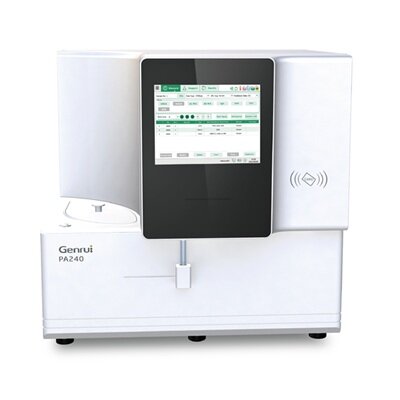
Fully-auto Specific Protein (Nephelometry) Analyzer
PA240
Gold Member
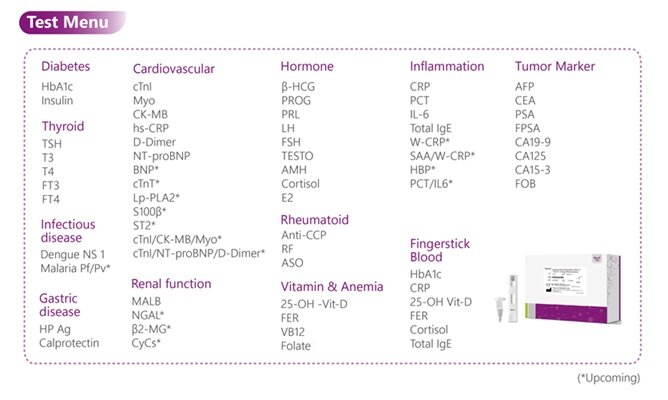
Quantitative lmmunoassay Test Menu

Gold Member

Blood-Based Protein Biomarker Solution for Alzheimer's Disease
BG-DTi2000.


