






How CRP Stimulates Plaque Formation
By Biotechdaily staff writers
Posted on 11 Jul 2005
A recent study explains the mechanism by which C-reactive protein (CRP) promotes arterial plaque formation, defining its role in the molecular events leading to the development of cardiovascular disease.Posted on 11 Jul 2005
CRP is a known risk marker for heart disease that causes endothelial cells to produce less nitric oxide and to increase the number of cell adhesion molecules. Both these activities stimulate the formation of arterial plaques.
Investigators at the University of California, Davis (USA), used human aortic endothelial cells (HAECs) growing in tissue culture to study CRP binding. They incubated the cells with biotin-labeled CRP, and then monitored binding of fluorescent-labeled streptavidin by cell-sorting in a flow cytometer.
Results published in the July 2005 issue of Arteriosclerosis, Thrombosis, and Vascular Biology revealed that CRP binding was mediated by the CD32 and CD 64 protein receptors on the membranes of the HAECs. Preincubation with antibodies specific for CD32 and CD64 significantly inhibited binding of CRP to HAECs by 64% and 30%, respectively, whereas antibodies to CD16 had no effect.
"In this study we convincingly show that CRP binds to two members of the Fc-gamma receptor family, CD64 and CD32, and that by blocking these receptors with specific antibodies, we can reverse the detrimental effects of CRP on endothelial cells,” said senior author Dr. Ishwarlal Jialal, professor of experimental pathology at the University of California, Davis. "In future studies, we will examine the precise pathways by which these receptors are able to mediate CRP effects so that more specific therapies can be developed to target inflammation.”
Related Links:
University of California, Davis




Platinum Member

Automated Coagulation Analyzer
Hemolumi H6
Gold Member

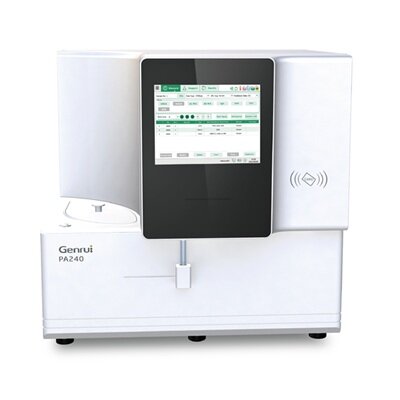
Fully-auto Specific Protein (Nephelometry) Analyzer
PA240
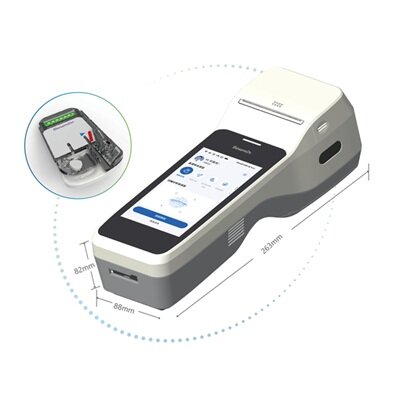

Portable POCT Blood Gas Analyzer
BD100
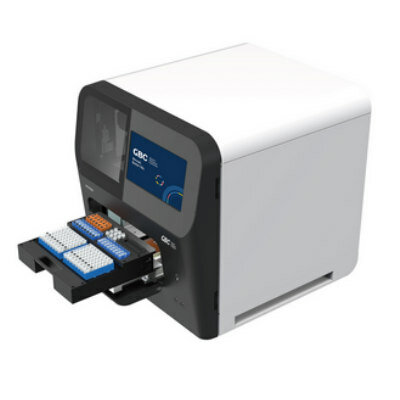

All-in-One Molecular System
AIO M160


