Mutation Boosts Cholesterol Clearance
By Biotechdaily staff writers
Posted on 20 Apr 2005
Researchers working with a mouse model have found that disabling the gene coding for the PCSK9 protein (proprotein convertase subtilisin/kexin type 9a) slowed the degradation of low-density lipoprotein receptors (LDLr) from liver cells, which caused a dramatic decrease in levels of LDL in the blood.Posted on 20 Apr 2005
Investigators at the University of Texas Southwestern Medical Center (Dallas, USA; www.utsouthwestern.edu) genetically engineered a line of "knockout” mice lacking the gene for PCSK9. They reported in the April 1, 2005, online edition of the Proceedings of the [U.S.] National Academy of Sciences that the livers of these mice had increased LDLr protein but not messenger RNA (mRNA). The additional LDLr protein led to greater clearance of circulating lipoproteins and decreased plasma cholesterol levels (46 mg/dl in the knockout- mice versus 96 mg/dl in control animals). These findings complement earlier reports that humans with mutations that disabled the PCSK9 gene had LDL cholesterol levels 40% lower than individuals without the mutation.
"The expression of LDL receptors is the primary mechanism by which humans lower LDL cholesterol in the blood,” said senior author Dr. Jay Horton, associate professor of internal medicine and molecular genetics at the University of Texas Southwestern Medical Center. "This research shows that in mice, deleting the PCSK9 protein results in an increase in LDL receptors and a significant lowering of LDL cholesterol. The lower cholesterol levels of humans with mutations in PCSK9, combined with the results of our studies in mice, suggest that variations in the levels of the PCSK9 protein significantly affect blood cholesterol levels, and compounds that inhibit this protein may be useful for the treatment of high cholesterol.”
Related Links:
University of Texas Southwestern Medical Center




Platinum Member

Automated Coagulation Analyzer
Hemolumi H6
New
Gold Member

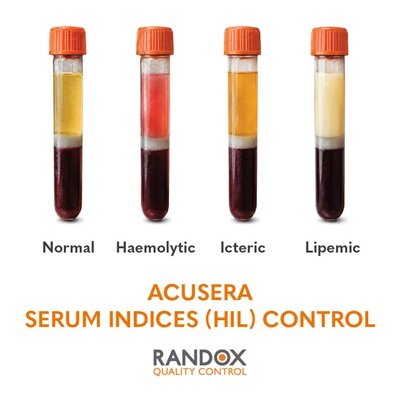
Serum Indices Control
Acusera Serum Indices Control
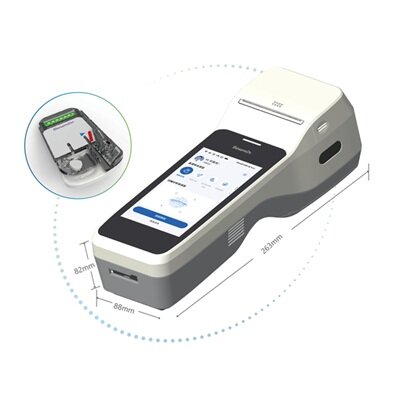

Portable POCT Blood Gas Analyzer
BD100
Gold Member

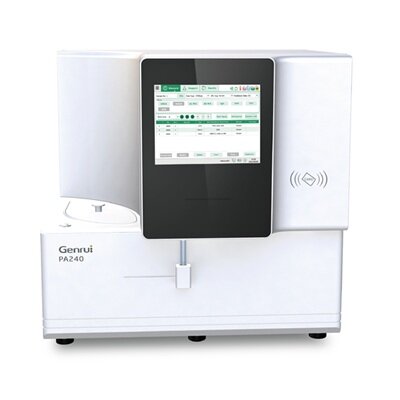
Fully-auto Specific Protein (Nephelometry) Analyzer
PA240