Skin Cancer Linked to Mutated Collagen VII
By Biotechdaily staff writers
Posted on 31 Mar 2005
Researchers have found that a peptide fragment derived from the protein collagen VII, a normal component of skin cells, is linked to the development and spread of squamous cell skin cancer.Posted on 31 Mar 2005
Investigators at Stanford University School of Medicine (Palo Alto, CA, USA) worked with skin cancer cells obtained from children that expressed different mutations in the gene that codes for collagen VII. This type of mutation underlies the blistering skin disorder recessive dystrophic epidermolysis bullosa (RDEB). Victims of this disorder are particularly at risk of developing skin cancer.
A study published in the March 18, 2005, issue of Science revealed that after transplantation in mice, cancer cells totally lacking collagen VII did not spread whereas those retaining a specific collagen VII fragment (the amino-terminal noncollagenous domain NC1) formed malignant tumors. Treatment with antibodies that neutralized collagen VII prevented the cancer from spreading but did not kill the cancer cells.
Senior author Dr. Paul Khavari, professor of dermatology at Stanford University School of Medicine said, "I can imagine a drug that blocks the collagen VII fragment being used preemptively to prevent skin cancer from spreading in people who are highly susceptible, such as children with RDEB or people who are chronically immune suppressed due to organ transplantation.”
Related Links:
Stanford University




Platinum Member

Automated Coagulation Analyzer
Hemolumi H6
Gold Member

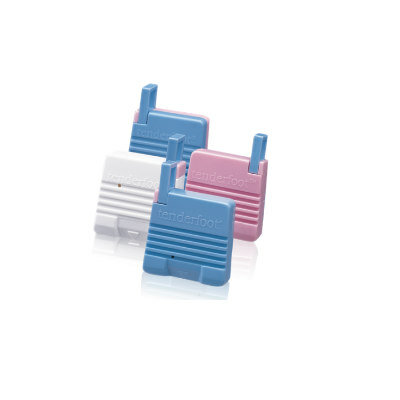
Neonatal Heel Incision Device
Tenderfoot

New
Silver Member

Connectivity Solution
EKF Link
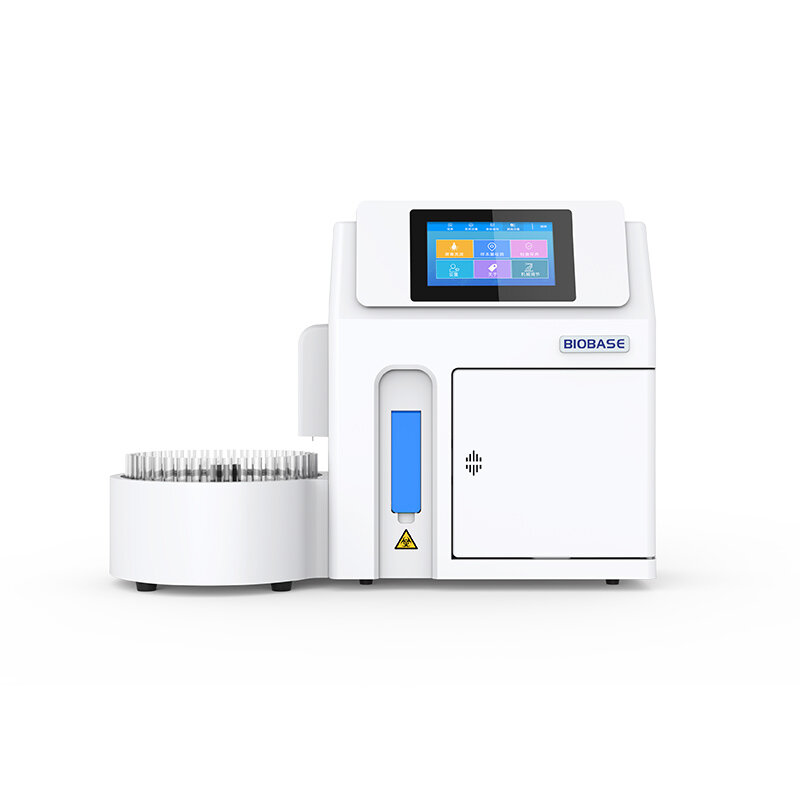

Electrolyte Analyzer
BKE-B