






Delipidation Process May Reverse Atherosclerosis
By Biotechdaily staff writers
Posted on 16 Nov 2004
A new process called "delipidation” is showing promise for enhancing the ability of high-density lipoprotein (HDL) in the blood to remove low-density lipoprotein (LDL), which is associated with arterial plaque and heart disease.Posted on 16 Nov 2004
Researchers at Wake Forest University Baptist Medical Center (NC, USA) are currently conducting a safety and efficacy study of the process in African green monkeys with cardiovascular disease. The study subjects were surveyed with intravascular ultrasound to determine the presence and composition of arterial plaque. The monkeys developed cardiovascular disease while the subjects of a seven-year study investigating the effects of a high-fat diet.
The lipidation process was developed by Lipid Sciences, Inc. (Pleasanton, CA, USA). Certain forms of HDL remove cholesterol from plaque in a process called reverse cholesterol transport (RCT). The most effective form of HDL for RCT is a particle called pre-beta HDL. The new process selectively removes lipids from HDL by creating "energized” pre-beta HDL particles without altering LDL or other plasma proteins. The endpoint of the 24-week study will be the measurement of arterial plaque regression as determined by comparing plaque volume at baseline, at the study's midpoint, and at the study's conclusion. Lipid Sciences' HDL therapy device will be used in the study to perform the lipidation process.
"Our expectations are that this animal study should provide us with a strong base of safety and efficacy data to support our application to the FDA [U.S. Food and Drug Administration] for an Investigational Device Exemption leading to a human clinical trial, which we anticipate will commence in 2005,” noted Dr. S. Lewis Meyer, president and CEO of Lipid Sciences.
Related Links:
Wake Forest U.
Lipid Sciences




Platinum Member

Automated Coagulation Analyzer
Hemolumi H6
New
Gold Member

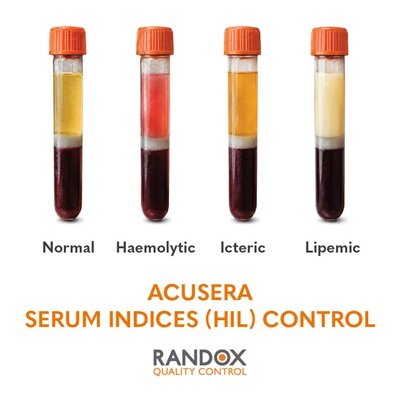
Serum Indices Control
Acusera Serum Indices Control
Platinum Member
Integrated Biochemical & Immunological System
Biolumi CX Solution X10+C10

All-in-One Molecular System
AIO M160


