






Promising Gene Therapy for Lysosomal Storage Diseases
By Biotechdaily staff writers
Posted on 18 Oct 2004
Researchers have shown that the clinical manifestations in mice of the lysosomal storage disease mucopolysaccharidosis (MPS) type VII can be reversed by injection of a viral vector carrying the gene beta-glucuronidase.Posted on 18 Oct 2004
Mucopolysaccharidosis type VII is a lysosomal storage disease caused by deficiency of the acid hydrolase beta-glucuronidase. MPS VII mice develop progressive lysosomal accumulation of glycosaminoglycans within multiple organs, including the brain. The buildup of glycosaminoglycans leads to bone and joint abnormalities, enlargement of the visceral organs, cardiovascular disease, and neurologic impairment.
Investigators at the Columbus Children's Research Institute, (OH, USA) used a recombinant adeno-associated virus (rAAV) type 2 vector to transport cDNA coding for mouse beta-glucuronidase into the livers of mice suffering from MPS type VII. They found that the level of beta-glucuronidase in the livers of the treated mice was elevated by nearly 500% as compared to untreated controls. The elevated enzymatic activity was maintained for more than a year. The level of enzyme activity in the treated mice was sufficient to reduce lysosomal storage within the liver, spleen, kidney, heart, lung, and brain. These findings were published in the September 2004 issue of Molecular Therapy.
"After a single administration of the rAAV vector, we observed a reduction of lysosomal storage in every organ analyzed at two months post-injection,” said senior author Dr. Thomas J. Sferra, associate professor of gastroenterology at the Columbus Children's Research Institute. "Importantly, this disease improvement was maintained for at least one year after vector administration. In our study, we were able to show an improvement in the manifestations of this disease within the brain. Now that we have proven that this type of therapy can overcome the blood-brain barrier, we can begin to study how this occurred. In the long-term, we have the potential to apply this type of therapy to a majority of the lysosomal storage diseases and even other disorders.”
Related Links:
Columbus Children's Research Institute




Platinum Member

Automated Coagulation Analyzer
Hemolumi H6
Gold Member

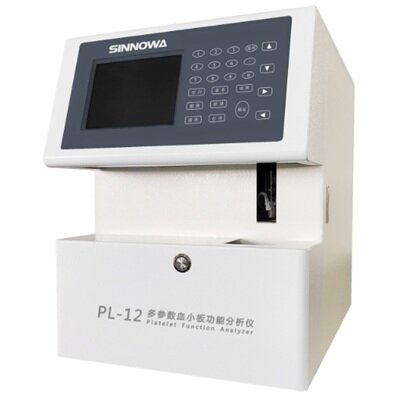
Platelet Function Analyzer
PL-12
New

Gastrointestinal Panel
Xpert® GI Panel
New

Microbiology Laboratory Automation Solution
BD Kiestra™ ReadA+BarcodA


