






Immune Therapy Possible for Metastatic Breast Cancer
By Biotechdaily staff writers
Posted on 08 Sep 2004
A study has found that immune cell transplant therapy can help shrink tumors in patients with metastatic breast cancer. The results were reported in the August 16, 2004, issue of the Journal of Clinical Oncology.Posted on 08 Sep 2004
Scientists studied 16 women with breast cancer that had progressed to an average of three metastatic sites after conventional treatments, including chemotherapy and hormones. The patients were given a treatment similar to a bone marrow transplant. Each patient received cells donated by a sibling. This transplant included lymphocytes and the adult stem cells that produce blood cells. The active, antitumor component of this cellular immune therapy regimen was T cells, which attack and kill tumor cells. However, the same qualities that make transplanted T cells react against tumors also make them dangerous to the transplant recipient. Since the recipient's own immune system may attack donor cells, the scientists gave subjects an immune-suppressing chemotherapy regimen before the transplant. To help protect subjects' bodies from the toxic effects of the transplant, scientists followed the chemotherapy with a course of transplant-conditioning drugs.
Each subject received transplants with the same concentration of T cells. The initial transplants had a relatively low concentration of these cells. Infusions given at 42, 70, and 98 days after the first transplant had exponentially increasing numbers of T cells. Increasing the concentration over this time period helped the researchers isolate patients' reaction to the transplant from their reaction to the chemotherapy, and established T cells as the active element in the transplant.
Six patients of the 16 had partial or minor responses to the treatment, which lasted an average of three months. The transplants had a toxic effect in many of the women, causing not only antitumor activity but also attacking normal cells. This graft-vs-host disease (GVHD) was observed in a majority of subjects: 10 had acute GVHD, and of 13 available for a follow-up exam, four had chronic GVHD.
"The study demonstrated that immune-based therapies, specifically the lymphocyte-based therapy we used, could result in tumor regression,” said study leader Michael Bishop, M.D., of the U.S. National Cancer Institute (Bethesda, MD, USA). "However, it is crucial to improve cellular immune therapy by lowering the risk of toxic effects, especially GVHD. Collaborating laboratories are currently testing specialized T cells they hope will cause little GVHD while retaining strong antitumor effects.”
Related Links:
National Cancer Institute (NCI)




Platinum Member

Automated Coagulation Analyzer
Hemolumi H6
Gold Member

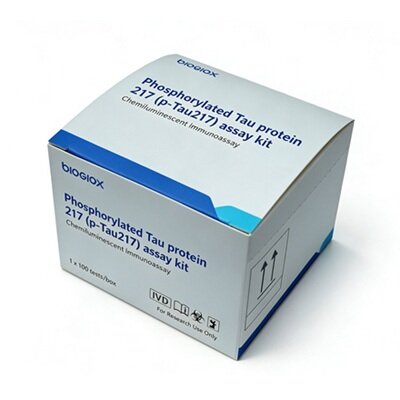
Blood-Based Protein Biomarker Solution for Alzheimer's Disease
BG-DTi2000.
New

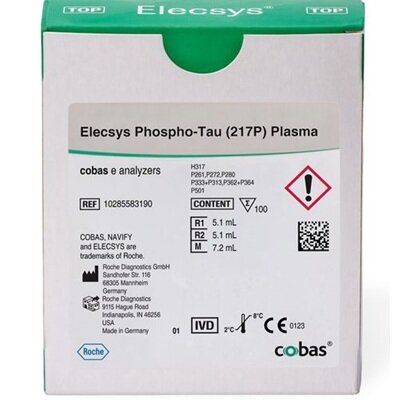
Alzheimer's Disease Biomarker Assay
Elecsys Phospho-Tau (217P) Plasma
New

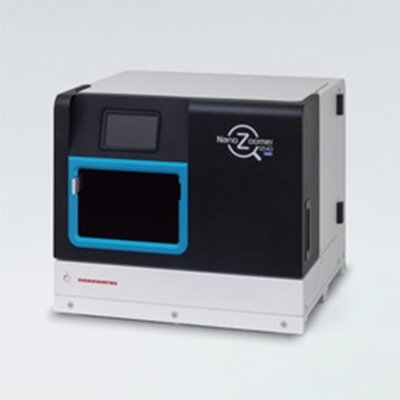
Slide Scanner System
NanoZoomer S540MD


