






Collaboration on Expression of Recombinant Proteins
By Biotechdaily staff writers
Posted on 05 Jul 2004
Protalix Biotherapeutics (Karmiel, Israel) and Icon Genetics AG (Halle, Germany) have signed a strategic collaboration geared at the development of plant cell lines as a general platform system for high-level expression of recombinant proteins.Posted on 05 Jul 2004
The two-year collaboration research program combines Icon's amplification technologies with Protalix' expression systems based on plant cell cultures grown in bioreactors. Icon's technology utilizes a regulated release of amplicons from a chromosome of a plant cell. This technology provides a high amplification level of the gene of interest and simultaneous shut-off of the other biosynthetic processes in the cell, thus resulting in an extremely high yield and relative yield of a recombinant protein in a plant cell.
Protalix will use its technology and infrastructure to evaluate the capacity of the clones developed by Icon to be scaled up to Protalix' bioreactor system, thereby allowing for highly efficient scale production of the selected biopharmaceuticals.
Related Links:
Protalix Biotherapeutics
Icon Genetics




Platinum Member

Automated Coagulation Analyzer
Hemolumi H6
Gold Member

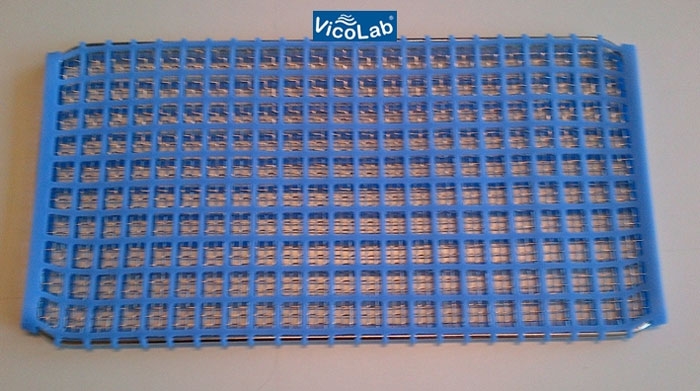
NEW PRODUCT : SILICONE WASHING MACHINE TRAY COVER WITH VICOLAB SILICONE NET VICOLAB®
REGISTRED 682.9
Gold Member

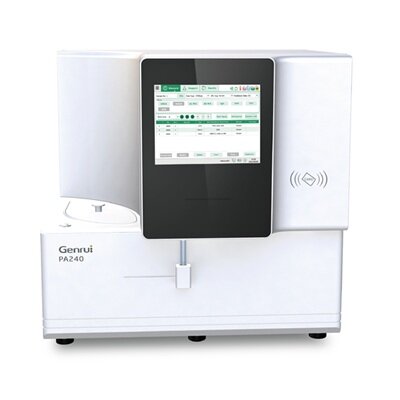
Fully-auto Specific Protein (Nephelometry) Analyzer
PA240
New

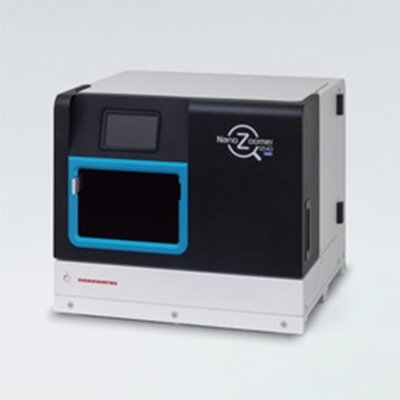
Slide Scanner System
NanoZoomer S540MD


