Collaboration to Use Genomic Techniques to Study Cancer
By Biotechdaily staff writers
Posted on 23 Jun 2004
Two U.S. companies have agreed to collaborate on a project designed to promote the use of advanced genomic techniques for the study of cancer development.Posted on 23 Jun 2004
Agilent Laboratories (Palo Alto, CA, USA) will be collaborating with Translational Genomics Research Institute (Tgen) (Phoenix, AZ, USA) to validate and further develop commercial microarray-based comparative genomic hybridization (CGH) solutions. CGH is a molecular cytogenetic method of screening tumors for genetic changes. The alterations are classified as DNA gains and losses and reveal a characteristic pattern that includes mutations at chromosomal and subchromosomal levels.
The collaboration will capitalize on Agilent's custom in situ manufacturing process, in which DNA oligonucleotides are synthesized base by base directly on a glass slide. "The ability to closely analyze and view gene expression and high-resolution CGH data side by side could yield unprecedented insights into the nature of various cancers,” said Dr. Jeffrey Trent, president and scientific director of TGen. "In addition to shedding light on how tumors arise, these data could provide the foundation for diagnostic and prognostic tools, and help identify the most promising targets for drug development.”
"Partnering with TGen provides Agilent Labs with an in-depth understanding of the genomic researcher's screening and computational needs, and allows us to explore future uses of microarrays for the study of cancer pathogenesis, diagnostics, and the development of new therapeutics,” said Darlene Solomon, vice president and director of Agilent Labs. "By working together to perfect these tools, we can enable rapid new discoveries that could, ultimately, improve the standard of patient care.”
Related Links:
Agilent Laboratories
Translational Genomics Research Institute




Platinum Member

Automated Coagulation Analyzer
Hemolumi H6
Gold Member

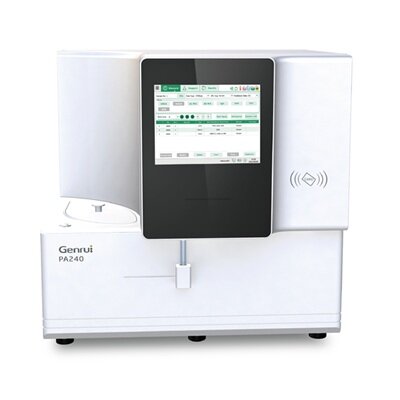
Fully-auto Specific Protein (Nephelometry) Analyzer
PA240
New

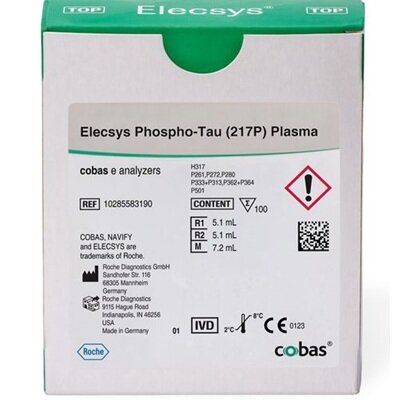
Alzheimer's Disease Biomarker Assay
Elecsys Phospho-Tau (217P) Plasma
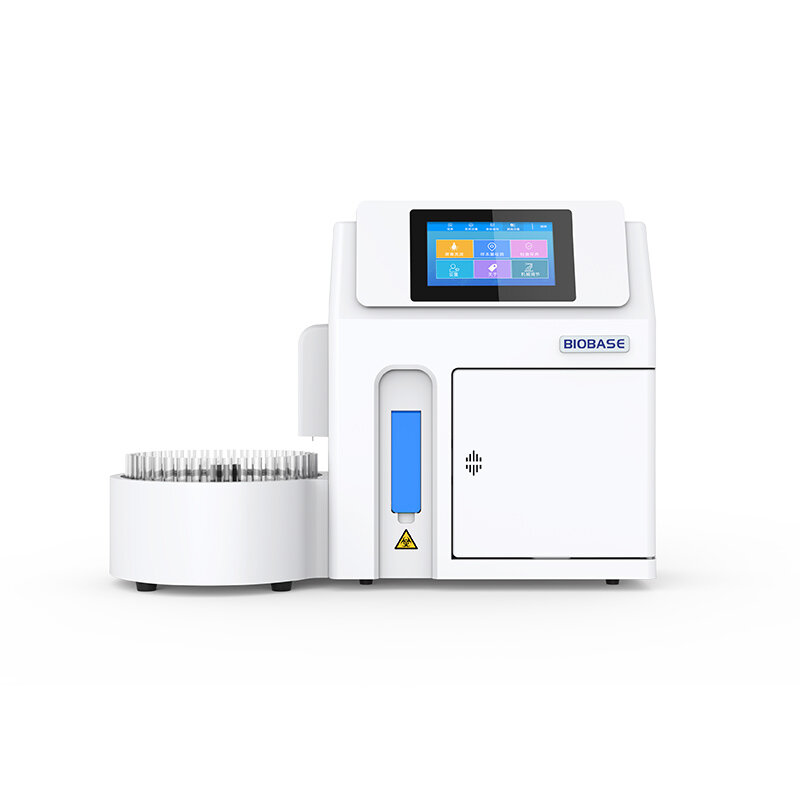

Electrolyte Analyzer
BKE-B