Ethnicity Influences Effectiveness of Chemotherapy
By Biotechdaily staff writers
Posted on 11 May 2004
Cancer researchers have found that a mutation in the gene coding for epidermal growth factor receptor (EGFR) is linked to success of gefitinib (Iressa) chemotherapy treatment for nonsmall cell lung cancer (NSCLC). The discovery of this mutation helps to explain why the drug was more effective when used in clinical trials in Japan than it was in similar studies carried out in the United States.Posted on 11 May 2004
Gefitinib inhibits the intracellular phosphorylation of numerous tyrosine kinases associated with transmembrane cell surface receptors, including the tyrosine kinases associated with the epidermal growth factor receptor (EGFR-TK). EGFR is expressed on the cell surface of many normal cells and cancer cells.
Results of a study coordinated by the [U.S.] National Cancer Institute (Bethesda, MD, USA; www.nci.nih.gov) were published in the April 29, 2004, online edition of Science. The investigators examined 58 lung cancer tumors from Japanese patients and 61 tumors from patients in the United States. They found that the presence of EGFR mutations and the best clinical response to gefitinib therapy occurred most frequently in women, non-smokers, and in patients with adenocarcinoma. EGFR mutations were seen in 26% of Japanese NSCLC cancer patients but only in 2% of American patients. Japanese women with adenocarcinoma showed the highest percentage of EGFR mutations (57%) and also showed the best clinical response to gefitinib.
"One of the more striking results we found in this study was the difference in response between Japanese and American patients, which raises the question of genetic variation in different ethnic, cultural, and geographic groups to this particular drug,” said contributing author Dr. Bruce E. Johnson, who led the lung cancer biology section at the [U.S.] National Cancer Institute at the time of the study.
Related Links:
National Cancer Institute




Platinum Member

Automated Coagulation Analyzer
Hemolumi H6
Gold Member

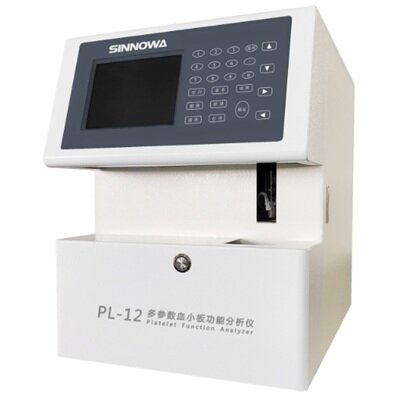
Platelet Function Analyzer
PL-12
New

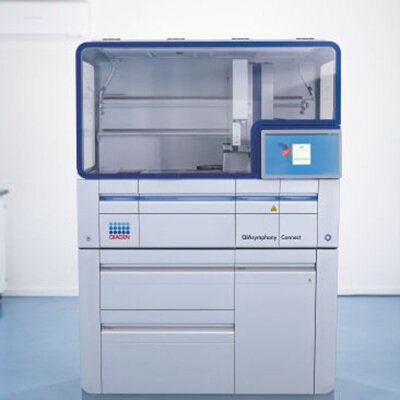
Nucleic Acid Purification Instrument
QIAsymphony Connect


Automated Clinical Chemistry Analyzer
Envoy 500+