






GITR Stimulation Can Break Immunologic Self-Tolerance
By Biotechdaily staff writers
Posted on 01 Apr 2004
A recent study has elucidated the cellular mechanism that allows the persistence of chronic viral infections such as herpes, hepatitis, and AIDS and suggests a treatment.Posted on 01 Apr 2004
Investigators at the [U.S.] National Institute of Allergy and Infectious Diseases' Rocky Mountain Laboratories (Hamilton, MT, USA) infected mice with Friend virus (FV) and studied the response of various immune cell fractions by transferring them from healthy mice into the infected animals. They wrote in the March 2004 issue of Immunity that virus-specific CD8+ T-cells proliferated and appeared activated, but failed to produce gamma interferon or reduce virus loads. Production of gamma interferon was suppressed by a subpopulation of CD4+ T cells.
Treatment of persistently infected mice with anti-GITR antibody significantly improved gamma interferon production by transferred CD8+ T-cells and allowed a significant reduction in viral loads. GITR (glucocorticoid-induced TNFR family related gene) is a member of the TNF receptor superfamily (TNFRSF18). Its ligand is GITRL (AITRL), which is expressed on both immature and mature dendritic cells, and endothelial cells. A high level of GITR is constitutively expressed on CD4+ regulatory T-cells. GITR plays an important role in the regulation of T-cell proliferation and TCR-mediated apoptosis. Furthermore, stimulation of GITR can break immunologic self-tolerance.
Senior author Dr. Kim J. Hasenkrug, an investigator at Rocky Mountain Laboratories explained, "A practical intervention that could reduce virus loads during chronic HIV infection would likely be an invaluable tool in postponing the onset of AIDS. While it remains to be seen whether an intervention such as described in our study would work in HIV infections, our experiments open new possibilities of therapy for treating persistence, one of the most refractory elements of retroviral infections.”




Platinum Member

Automated Coagulation Analyzer
Hemolumi H6
Gold Member

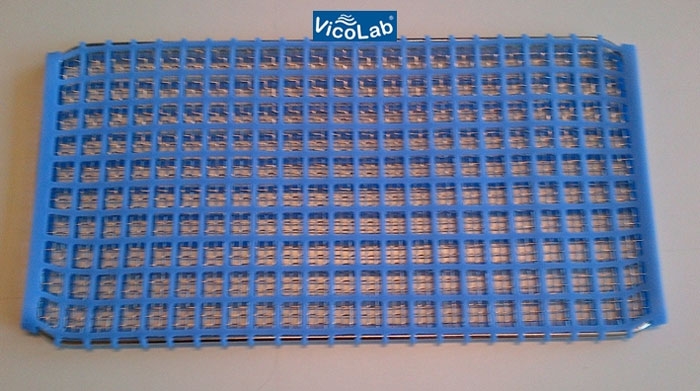
NEW PRODUCT : SILICONE WASHING MACHINE TRAY COVER WITH VICOLAB SILICONE NET VICOLAB®
REGISTRED 682.9
New

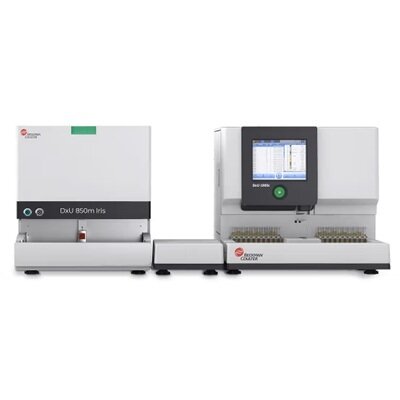
Fully Automated Urinalysis System
DxU 1800 Fully Automated Urinalysis System
Platinum Member
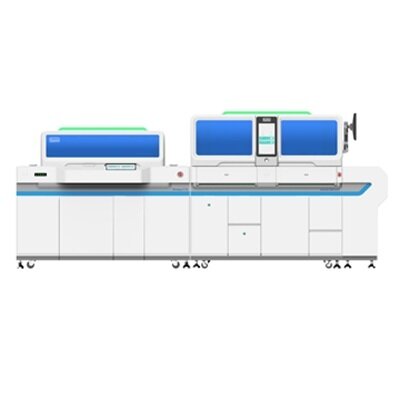
Integrated Biochemical & Immunological System
Biolumi CX Solution X10+C10


