






New Molecular Target Found for Prostate Cancer
By Biotechdaily staff writers
Posted on 24 Mar 2004
Researchers have found that PCDGF (PC cell-derived growth factor) is elevated in prostate cancer and may be a new molecular target for the treatment and prevention of this disease. Posted on 24 Mar 2004
Investigators at Indiana University (Indianapolis, USA), MedImmune, Inc. (Gaithersburg, MD, USA), and A&G Pharmaceutical Inc. (Columbus, MD, USA) studied the expression of PCDGF in invasive prostate cancer, adjacent high-grade prostatic intraepithelial neoplasia (PIN), and benign prostate tissue from 99 human prostate specimens. They reported in the February 15, 2004, issue of Clinical Cancer Research that normal prostate tissue did not express (53/99), or expressed low levels (46/99) of PCDGF. In the 46 normal prostate specimens that expressed PCDGF, most had less than 10% of cells expressing PCDGF. PCDGF expression could be detected in more than 50% of cells in all specimens of PIN and invasive prostate cancer.
In 2002, MedImmune in-licensed exclusive worldwide therapeutic rights to technology targeting PCDGF from A&G Pharmaceutical Inc. "We, at A&G Pharmaceutical, are very excited that PCDGF's potential involvement in prostate cancer has been documented,” said contributing author Dr. Ginette Serrero, vice president of A&G Pharmaceutical Inc. "As the developers of a next-generation diagnostic test for prostate cancer, we believe diagnostic kits and therapeutics based on the same molecular target are the future for cancer detection, monitoring, and treatment.”
Related Links:
Indiana University
MedImmune Inc.
A&G Pharmaceutical Inc.




Platinum Member

Automated Coagulation Analyzer
Hemolumi H6
Gold Member

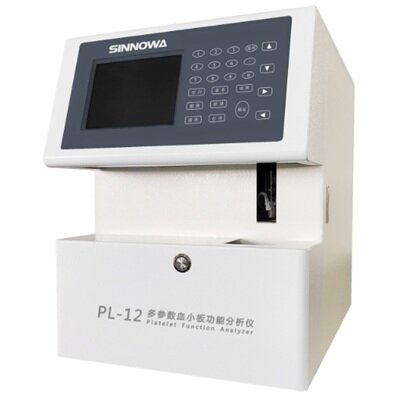
Platelet Function Analyzer
PL-12

Immunofluorescence Analyzer
IFA System
Gold Member

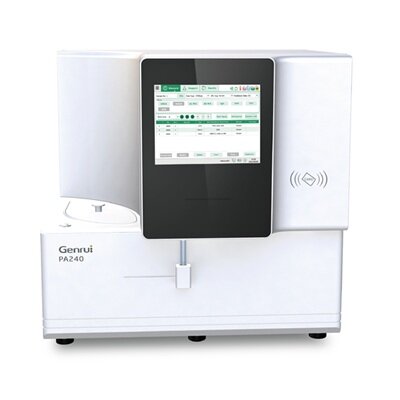
Fully-auto Specific Protein (Nephelometry) Analyzer
PA240


