Cytoplasmic p53 Triggers Mitochondrial Apoptosis Pathway
By Biotechdaily staff writers
Posted on 24 Feb 2004
Researchers have found that cytoplasmic p53 tumor suppressor protein can cause cell death (apoptosis) by triggering a sequence of events that results in rupture of mitochondrial membranes.Posted on 24 Feb 2004
Investigators at the La Jolla Institute for Allergy and Immunology (CA, USA; www.liai.org) used mouse embryonic fibroblasts growing in tissue culture to study the function of p53 located in the cytoplasm.
In their paper published in the February 13, 2004, issue of Science they reported that cytoplasmic p53 activated a different protein called Bax. The Bax protein is a pro-apoptotic member of the Bcl-2 family of proteins that regulate the mitochondrial apoptosis pathway. Bax plays a pivotal role in the regulation of release of cell death-activating factors from mitochondria.
"We have discovered a new pathway for p53 to trigger the process that leads to cell death,” said senior author Dr. Douglas L. Green, a researcher at the La Jolla Institute for Allergy and Immunology. "This is another piece of the puzzle of how tumor cells are regulated and it could lead to better treatment for cancers and other diseases.”
Related Links:
La Jolla Institute for Allergy and Immunology




Platinum Member

Automated Coagulation Analyzer
Hemolumi H6
Gold Member

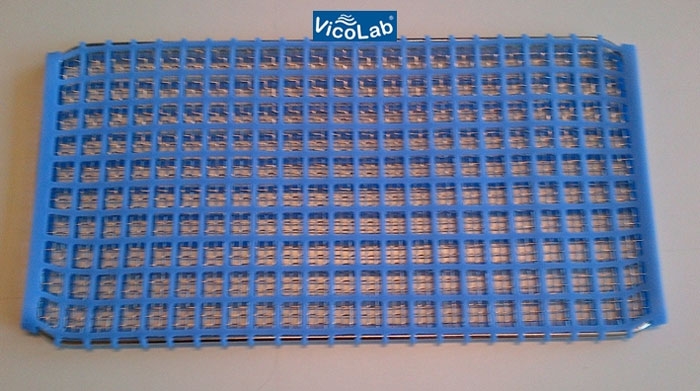
NEW PRODUCT : SILICONE WASHING MACHINE TRAY COVER WITH VICOLAB SILICONE NET VICOLAB®
REGISTRED 682.9

New

Gastrointestinal Panel
Xpert® GI Panel
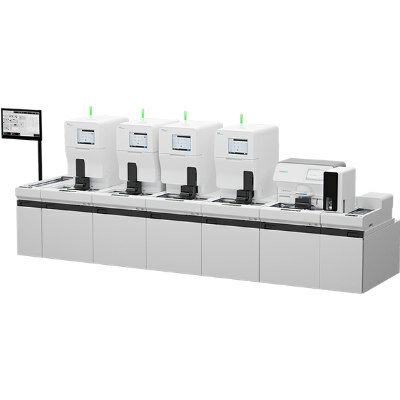

Automated Urinalysis Solution
UN-9000