Similarity Found Between Wound Healing and Cancer Progression
By Biotechdaily staff writers
Posted on 27 Jan 2004
Researchers have found a similarity between the molecular programs in normal wound healing and tumor progression and metastasis, which suggests that a wound-like phenotype is a general risk factor for metastasis and aggressive behavior in many common cancers.Posted on 27 Jan 2004
The idea that cancer cells go through a fateful transition into fast-growing, invasive, metastasizing tumors surfaced in the early 1970s. By the mid-1980s, histologic analysis had revealed a similarity between the tumor microenvironment and that of a healing wound, but scientists had no way at that time to evaluate the risk that a wound-healing genetic program might pose in cancer progression.
In an effort to create a framework for evaluating the relationship between tumors and wounds, researchers have examined the gene expression profile of fiberblasts responding to serum in cell culture. Both fiberblasts and serum are involved in wound healing. Although the fiberblasts differed in their properties and gene expression profiles, they were found to share a common expression pattern in response to serum. From this expression profile, the researchers identified a core group of genes that comprise a genetic signature associated with a serum response.
Since many of the genes were involved in various wound-healing processes, the researchers used this signature as a surrogate marker to measure how much tumors may be like wounds. When they compared the genetic signature with expression patterns of various tumor samples, they found the signature was always present in prostate and liver cell cancer and occurred variably in breast, lung, and gastric cancers. Patients with these latter types of tumors carrying the serum response genetic signature had a significantly increased risk of metastasis and death, compared to patients without the signature.
Thus, the serum-response signature provides a valuable new diagnostic tool for predicting tumor behavior and determining a patient's prognosis, concluded Howard Chang and his colleagues in Patrick Brown's laboratory at Stanford University (Palo Alto, CA, USA). Their work was reported in the January 2, 2004, online issue of PloS (Public Library of Science).
Related Links:
Stanford




Platinum Member

Automated Coagulation Analyzer
Hemolumi H6
Gold Member

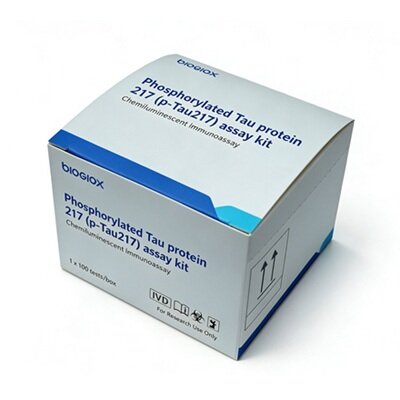
Blood-Based Protein Biomarker Solution for Alzheimer's Disease
BG-DTi2000.


All-in-One Molecular System
AIO M160
New
Silver Member

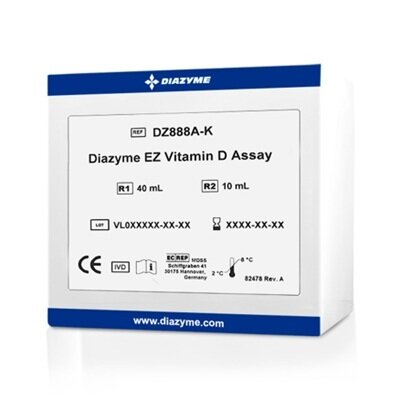
Vitamin D Assay
EZ Vitamin D Assay