






Human Antibody Kills Cancer Cells in Mice
By Biotechdaily staff writers
Posted on 19 Dec 2003
A human antibody binds to a unique site on CD20 target cells and appears to stop growth of B-cell tumors in immuno-compromised mice far more effectively than either placebo or a marketed treatment called rituximab.Posted on 19 Dec 2003
Called HuMax-CD20, the antibody was evaluated in a mouse model in which disseminated outgrowth of human B-cell tumor cells is followed by optical imaging. Tumors were induced by inoculating Daudi cells, a CD20-expressing human lymphoma cell line, which readily grows in immuno-deficient (SCID) mice. For this model, Daudi cells were transfected with luciferase, which makes them bioluminescent. The fact that HuMax-CD20 binds to a unique site on CD20 target cells may help to explain why the antibody has outperformed other CD20 antibodies in a variety of preclinical studies.
"We have observed the unusually good performance of HuMax-CD20 in a large number of preclinical tests, and have been conducting research to help explain why the antibody binds to and kills the disease target so effectively,” said Lisa N. Drakeman, Ph.D., CEO of Genmab (Copenhagen, Denmark; www.genmab.com), which is developing the new therapeutic.




Platinum Member

Automated Coagulation Analyzer
Hemolumi H6
.jpg)
Gold Member

Clinical Chemistry Assay
Sorbitol Dehydrogenase (SDH)
Gold Member

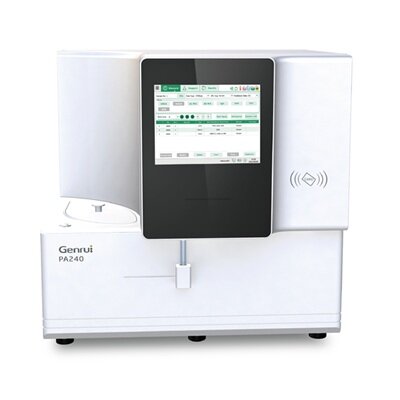
Fully-auto Specific Protein (Nephelometry) Analyzer
PA240
New

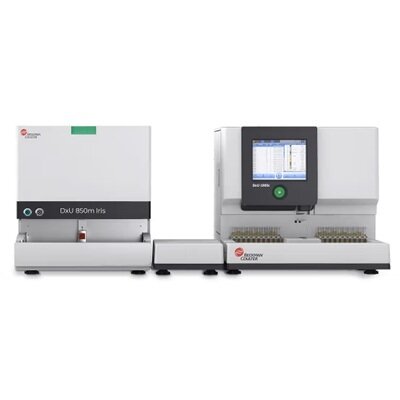
Fully Automated Urinalysis System
DxU 1800 Fully Automated Urinalysis System


