Adaptive PCR Platform Improves Consistency in Small-Batch NGS Workflows
Posted on 31 Mar 2026
PCR amplification during next-generation sequencing (NGS) library preparation can introduce variability, often requiring manual quantification and risking over-cycling artifacts. The issue is especially significant for small batches or low-input samples, where failed libraries may be unrecoverable. A newly launched system extends adaptive, per-well amplification control to lower-throughput NGS workflows without adding cleanup steps or altering workflows.
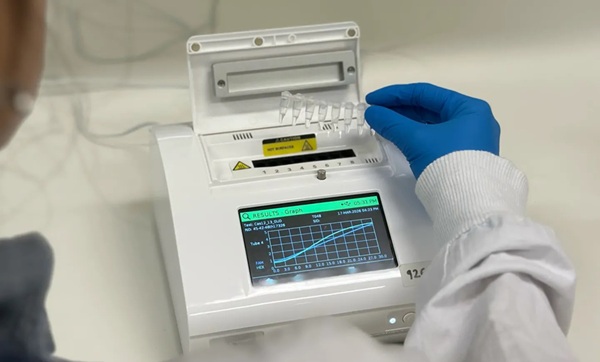
n6 (Pleasanton, CA, USA) has introduced icon16, expanding its AutoNorm adaptive amplification to a 16‑well format for laboratories running lower-throughput next-generation sequencing (NGS). The company previously launched icon96 in 2024, which is now deployed across more than 22 countries, including at the Broad Institute and the Wellcome Sanger Institute. According to the company, the platform supports genomics research, clinical applications, and emerging sequencing modalities while maintaining data quality standards for small-batch processing.
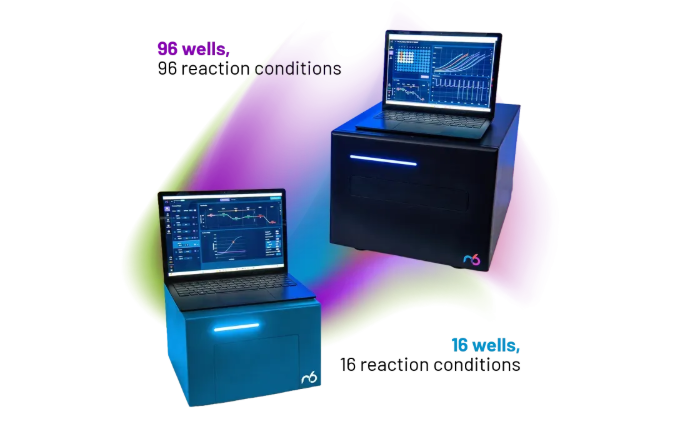
AutoNorm replaces fixed‑cycle PCR with real‑time fluorescence monitoring at the individual‑well level. Instead of cycling all samples to a predetermined number of cycles, the instrument stops each well independently at a user‑defined amplification threshold. The approach yields libraries “normalized by biology,” aiming to avoid over‑cycling artifacts and dropout while removing manual quantification and cleanup prior to pooling. The method is presented as sequencer‑ and application‑agnostic and integrates with existing library preparation workflows.
The icon16 system is designed for single‑cell RNA sequencing, spatial transcriptomics, cell‑free DNA (cfDNA) and minimal residual disease (MRD) assays, rare disease sequencing, and other small‑batch workflows. The instrument is reagent‑agnostic and compatible with major commercial library preparation kits, requiring no changes to established NGS protocols. The system will be available for purchase beginning March 30, 2026, with first shipments expected shortly thereafter. The launch coincides with ABRF 2026, taking place March 28–31.
"Sequencing technology has advanced rapidly, but the thermocycler at the center of library preparation has barely changed in decades," said Pranav Patel, PhD, MBA, co-founder and CEO of n6. "With icon96 we introduced AutoNorm to replace the one-size-fits-all approach to amplification. icon16 brings that same capability to labs running smaller sequencing batches while maintaining the same standard of data quality."
"There are not many technologies that from the outset can significantly impact established workflows," said James Docker, NGS Lead and Multi-Omics Scientist at the University of Oxford Centre for Human Genetics. "But with AutoNorm technology we're able to fundamentally change how PCR is approached in library preparation."
Related Links
n6