






Pathology
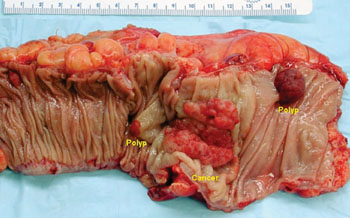
Gene Test Identifies Patients with High Risk Colon Cancer
Proprietary microarray-based gene signature marker can identify patients' recurrence risk within five years after surgery and guides adjuvant chemotherapy treatment decisions. Colon cancer is the second leading cause of cancer mortality among men and women in the USA and the five-year survival rate for individuals with colon cancer is 64.9%. More...11 Apr 2016
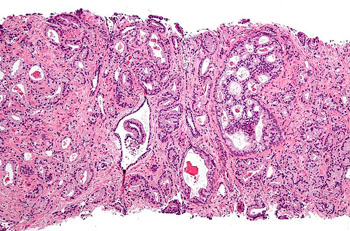
Three Gene Urine Test for Prostate Cancer May Eliminate Invasive Biopsies
A real-time PCR assay that measures levels of RNA generated by three prostate cancer-linked genes may someday replace classical detection methods for this disease and eliminate the need for invasive biopsies. More...11 Apr 2016
Improved “Liquid Biopsy” Technique Enhances Tumor DNA Detection
An improved method has been devised to significantly increase the sensitivity of a technique to identify and sequence DNA from cancer cells circulating in a person's blood. The hope is that such "liquid biopsies" of easily obtained blood samples could one day replace the need to surgically obtain tumor tissue for examination. More...10 Apr 2016
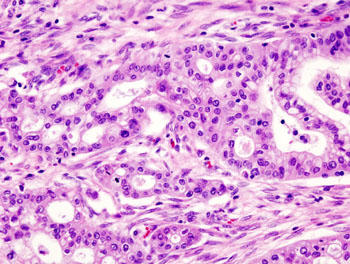
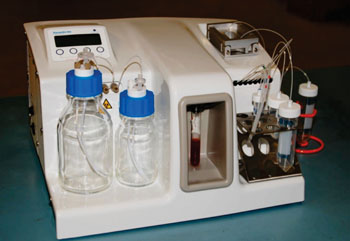
Parsortix System Detects Prostate Cancer in Clinical Application
The current gold standard for detection is the prostate-specific antigen blood test, which is known to have low sensitivity and low specificity with high levels of false positives, and the digital rectal exam, which is less effective than the PSA test. More...06 Apr 2016
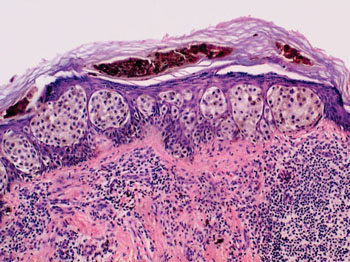
Noncoding RNA Gene Linked to Malignant Melanoma
While a large share of the human genome has long been considered “junk DNA” because it does not contribute to protein coding, recent insights indicate that it does produce many noncoding ribonucleic acids that play important roles in essential biological processes and diseases. More...05 Apr 2016
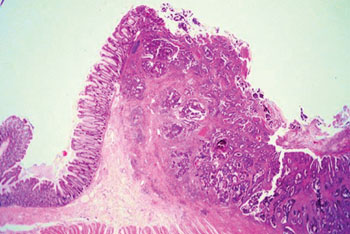
Novel Blood Test Detects Colorectal Cancer Recurrence Earlier
Colorectal cancer is one of the leading causes of cancer-related deaths worldwide, accounting for more than 600,000 deaths each year. When diagnosed early, before cancer has spread, the relative five-year survival rate for CRC is 90%, but only about 4 out of 10 CRC cases are detected early. More...05 Apr 2016


Platinum Member

Automated Coagulation Analyzer
Hemolumi H6
.jpg)
Gold Member

Clinical Chemistry Assay
Sorbitol Dehydrogenase (SDH)

New

Gastrointestinal Panel
Xpert® GI Panel
New

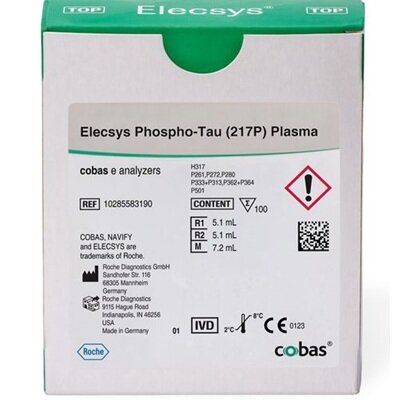
Alzheimer's Disease Biomarker Assay
Elecsys Phospho-Tau (217P) Plasma
In Other News
Hereditary Cancer Test Identifies Deleterious Mutations in Endometrial Cancer
High Risk HPV Multiplex Assay Clinically Validated
Sensitive Method Detects Early Amyloidosis in Humans
Novel Blood Test Developed for Alzheimer's Diagnosis
Multiple Diseases Detected via DNA Released from Dying Cells
Prostate Cancer Diagnosed from Urinary Ribonucleic Acid
Automated Microfluidic Device Simultaneously Detects HIV RNA and Antibodies

Early Stage Breast Cancer Recurrence Linked to High Leukocyte Ratio
Blood Test Accurately Detects Idiopathic Pulmonary Fibrosis
Age Should Be Considered in Developing Diagnostic Assays
Developing POC Tests for Alzheimer’s to Improve Monitoring and Management of the Disease
Fibrin Network Changes in Neonates After Cardiopulmonary Bypass
Blood Test Detects Chronic Traumatic Encephalopathy During Life
Blood Test Gives Early Warning of Melanoma Relapse
Enzyme Signpost Points to Better Bowel Cancer Test
Novel Biochip Combines Antibody Binding and Electronic Counting to Simplify Diagnosis of HIV/AIDS
Frozen Section Analysis for Breast Cancer Saves Time
Biomarker Identifies Uveal Melanoma Patients at Risk for Metastasis
CSF Biomarker Elevated in Early Stages of Alzheimer's Disease
Oral Bacteria Linked to Risk of Intracerebral Hemorrhage
Gene Predicts Outcomes for Head and Neck Patients
Genomic Analyses Identifies Molecular Subtypes of Pancreatic Cancer
Metabolite Profiling Predicts Outcome of Dengue Virus Infection


The Pathology channel details advances in the field of Surgical Pathology and all its subspecialties, including Cytopathology and its subspecialties.