






Pathology
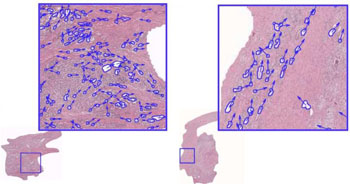
Benign Tissue Structural Features Predict Risk of Prostate Cancer Recurrence Following Surgery
A preliminary study found that evaluation of a collection of structural features observed in normal tissues surrounding a prostate tumor was a better predictor of risk of recurrence of the cancer following surgical removal of the tumor by radical prostatectomy (RP). More...18 Jul 2016
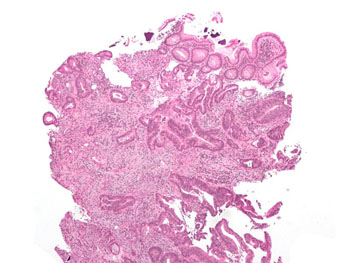
Detection of Circulating Tumor DNA Predicts Colon Cancer Recurrence
A team of American and Australian cancer researchers has demonstrated that circulating fragments of tumor DNA (ctDNA) could serve as a biomarker for identifying patients with high risk of recurrence of colon cancer. More...18 Jul 2016
Heart Transplantation Recipients Unaffected by Donor Troponin Levels
Many transplant centers routinely reject hearts if the donor’s blood test reveals elevated levels of troponin I, a protein found in heart muscle that enters the bloodstream when there is a heart attack or other heart muscle damage. Donors with previous heart disease are automatically excluded. More...14 Jul 2016

Likely Flaws Uncovered for LM-Method for Lyme Disease Detection
According to a new study, the recently developed modified microscopy technique “LM-method” of examining blood samples to help diagnose Lyme disease (and babesiosis) – is unable to distinguish infected patients from healthy controls, yielding many false-positive results. More...12 Jul 2016
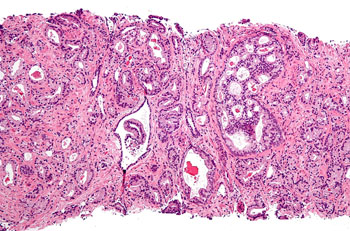
Urine Protein Panels Identify Prostate Cancer and Differentiate between Tumors
A noninvasive diagnostic test for prostate cancer is based on protein signatures that can differentiate patients from healthy individuals and those with aggressive tumors from those with less dangerous growths. More...12 Jul 2016


Platinum Member

Automated Coagulation Analyzer
Hemolumi H6
Gold Member

Neonatal Heel Incision Device
Tenderfoot
Platinum Member
Integrated Biochemical & Immunological System
Biolumi CX Solution X10+C10
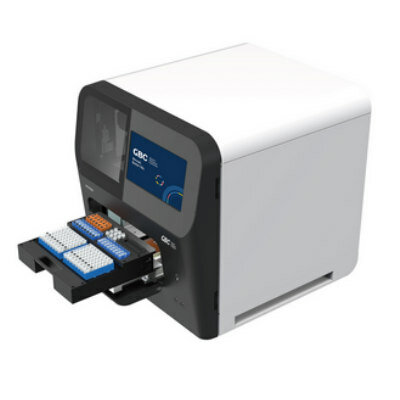

All-in-One Molecular System
AIO M160
In Other News
Breast Tumors That Display Kataegis Have a Better Prognosis

High Blood Sugar Associated with Lower Risk of Benign Tumors
MicroRNAs Predict Disease Progression in Brain Tumors
Automated Extraction of FFPE Tissue for High-Risk HPV Testing
Unsuspected Bacterial Link to Bile Duct Cancer Discovered
Circulating Cell-Free Nucleosomes Biomarkers Confirmed for Cancer Blood Tests
Liquid Biopsy Urine Test Detects Mutations In Lung Cancer
Artificial Intelligence Achieves Near-Human Performance in Image Analysis
Wide-ranging Genomic Study Links Migraine-Related Genes to the Vascular System
PCR Better at Identifying Breast Tumor Subtypes than Immunohistochemistry
T-Cell Receptor Sequencing Reveals Novel Biomarkers For Ovarian Cancer
Peripheral Blood Eosinophilia Correlates with Hyperplastic Nasal Polyp Growth
Biomarkers Could Give Cancer Patients Better Survival Estimates
Comprehensive Liquid Biopsy Guides Metastatic Cancer Treatment
Autoantibody Panel Accurately Diagnoses Early-Stage Alzheimer's Disease
Rapid Technique Described for Detection of KRAS Mutations in Pathology Specimens
Blood Metabolites Tests Helps Tailor Cancer Treatment
Blood Test Detects Gene Mutation Associated with Lung Cancer
Merkel Cell Polyomavirus Infection Can Cause Lethal Carcinoma
Early Detection Among Benefits of Skin Cancer Screening at Primary Care Visits
Primary Sclerosing Cholangitis Characterized By Intestinal Dysbiosis
Placental Malaria Diagnosed In Poorly Processed Placental Tissue
New Therapies for Parkinson’s Disease More Effective at Early Stages of Diagnosis


The Pathology channel details advances in the field of Surgical Pathology and all its subspecialties, including Cytopathology and its subspecialties.