






Microbiology
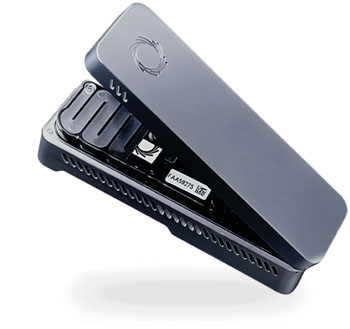
UTI Testing Technology Cuts Screening Time Significantly
Most urinary tract infections (UTI) are mild, but serious cases can lead to hospitalization and at worst, bacteria can enter the bloodstream causing urosepsis, a life-threatening condition. In this case antibiotics are vital and must be given immediately. More...12 Oct 2016
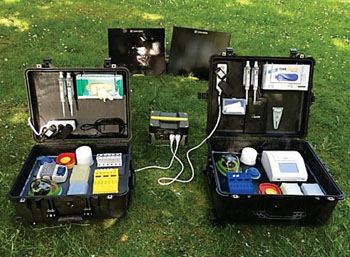
Field Test Allows Rapid Diagnosis of Chikungunya Virus Infection
Chikungunya virus (CHIKV) infection causes symptoms that are similar to Dengue and Zika as well as other viral diseases, including influenza and accurate diagnosis of CHIKV is important for effective outbreak responses, including patient management and mosquito control. More...12 Oct 2016
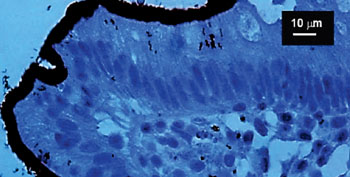
Anti-Treponema Immunohistochemistry Cross-Reactivity Reported with Non-Treponema Spirochetes
Syphilis has different histopathologic presentations, and it can mimic a significant number of entities while human intestinal spirochetosis is characterized by the presence of a layer of spirochetes adherent to the apical epithelial surface of the colorectal mucosa. More...12 Oct 2016
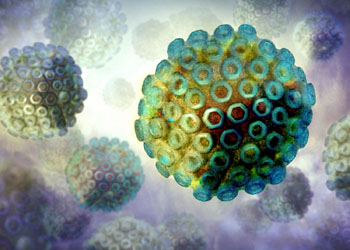
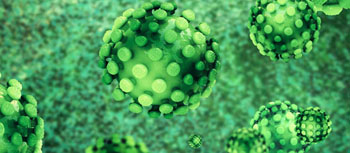
Coronavirus Linked to Neurological Disease in Humans
A case-study of fatal encephalitis has, for the first time, led researchers to discover a direct association with strain OC 43 of the human coronavirus (HCoV), providing confirmatory evidence for the hypothesis that this respiratory virus can cause certain neurological diseases of unknown origin such as multiple sclerosis, Alzheimer’s disease, Parkinson’s disease, and encephalitis. More...11 Oct 2016
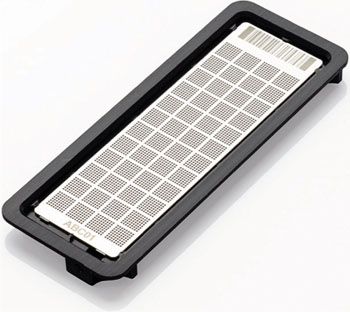
Quantitative Molecular Diagnostic Methods Identify Causes of Childhood Diarrhea
The number of cases of childhood diarrhea attributed to pathogens such as bacteria, parasites, viruses or other infections has been substantially underestimated and may be nearly twice as high as previous analysis suggests. More...06 Oct 2016
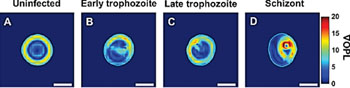
New Technology Quickly Diagnoses Malaria
The gold standard for malaria diagnosis is manual microscopic evaluation of Giemsa stained blood smears; however, the utility of this approach is limited by the skill of an expert microscopist. Further, both the staining process and microscopic examination can be time consuming. More...06 Oct 2016


Platinum Member

Automated Coagulation Analyzer
Hemolumi H6
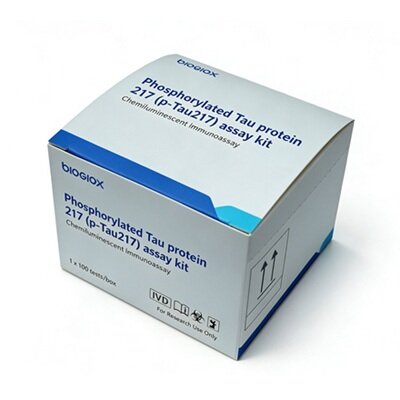
Gold Member

Blood-Based Protein Biomarker Solution for Alzheimer's Disease
BG-DTi2000.
Platinum Member
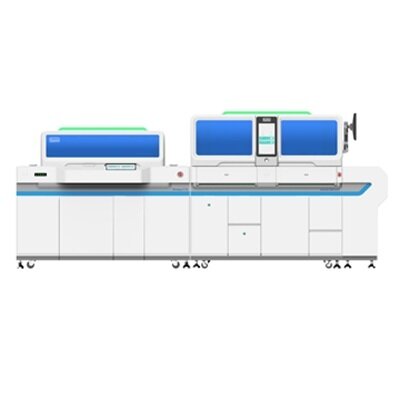
Integrated Biochemical & Immunological System
Biolumi CX Solution X10+C10
Gold Member

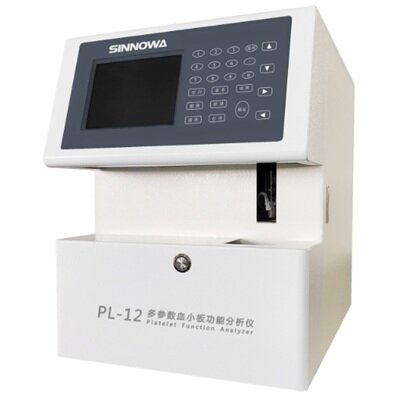
Platelet Function Analyzer
PL-12
In Other News
Extended Multilocus Sequence Typing Developed for Leptospirosis
Screening for Latent Tuberculosis Infection Recommended
Field Performance for Rapid Detection of Influenza Virus Analyzed
Zika Virus Detected in Conjunctival Fluid
Test Developed for Healthcare-Acquired Infections Validated
Performance of Field Evaluated Malaria Rapid Diagnostic Tests
Biomarker Outperforms Current Gold Standard to Detect Brain Shunt Infections
Rapid Molecular Diagnostic Test Detects Zika Virus
Urinary Tract Infection Tracked by Routine and Automated Urinalysis
Clostridium Difficile Diagnostic Guidelines Updated
Fatal Fungal Infection Has Unique Growth Patterns
Miniaturized Clinical Test Rapidly Detects Antibiotic Resistance
New Types of African Salmonella Associated with Lethal Infection
Prognostic Biomarkers Predict Dengue Shock and Organ Failure
Two-Gene Panel Differentiates between Pediatric Bacterial and Viral Infections
Innate Immune Sensor of Microbial Proteolysis Revealed
Rapid Diagnostic Test Performance Assessed for Placental Malaria
Latent Toxoplasmosis Prevalence Analyzed Retrospectively
Molecular Testing Accuracy for Clostridium difficile Scrutinized
Simple Test Could Improve TB Diagnosis in Developing Countries
Cell-Free DNA Sequencing Confirms Myelodysplastic Syndrome Diagnosis
Alternative Methods Compared for Urine Culture Collection and Transport
Lateral Flow-Based Antibody Test Developed for Trachoma


The LabMedica Microbiology channel provides the latest news in the fields of epidemiology, bacteriology, virology, and parasitology, all viewed from the unique perspective of Laboratory Medicine.