






Hematology
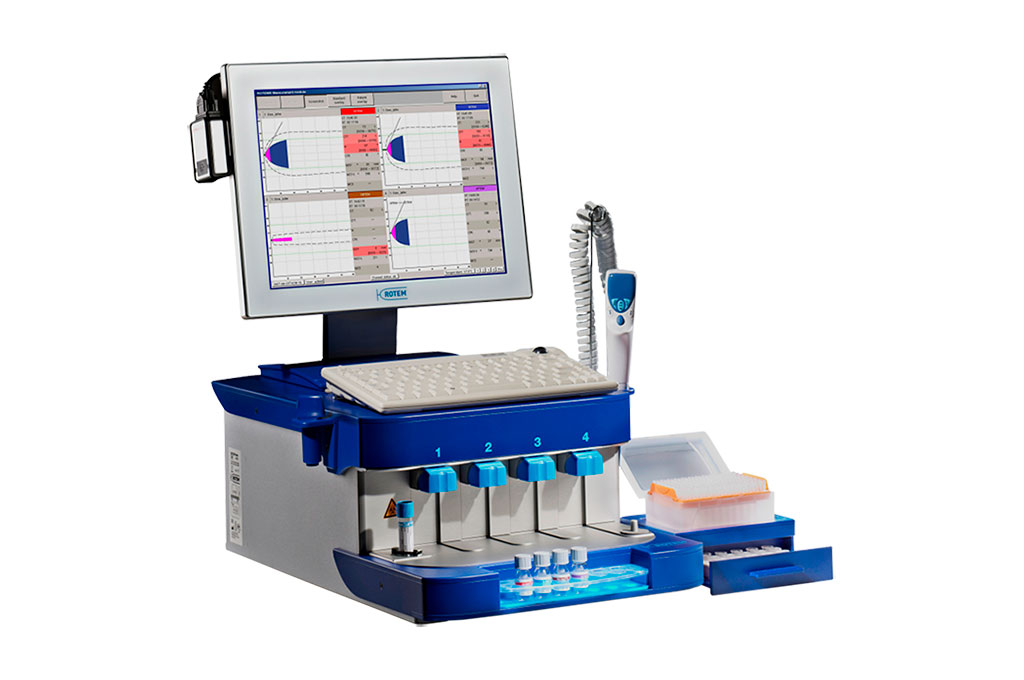
Thromboelastometry Predicts Thromboembolic Events in COVID-19 Patients
In addition to severe pulmonary and renal injury, abnormality of hemostasis is recognized as a contributing factor to the severity of the COVID-19. Thromboembolic complications were diagnosed in 31% of patients with COVID-19 infection admitted to an intensive care unit, despite anticoagulation therapy. More...05 Jul 2022
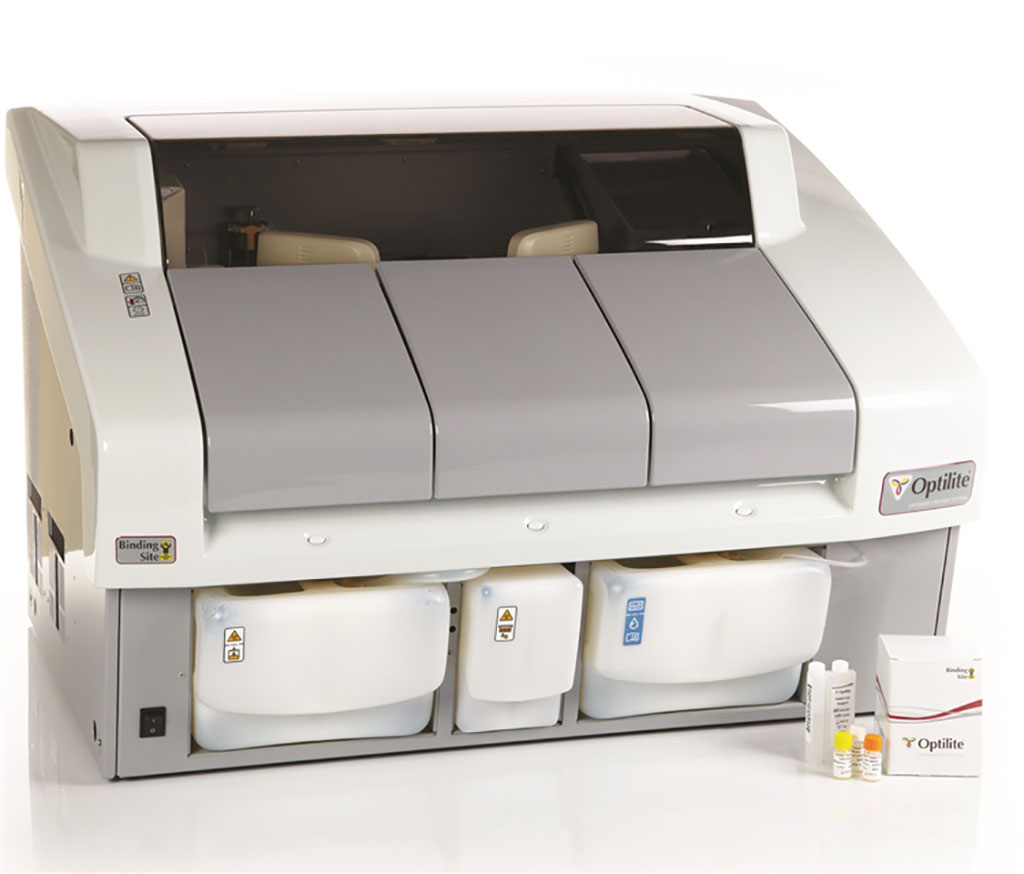
Mass Spectrometry Versus Immunofixation to Monitor Multiple Myeloma Treatment
The monoclonal protein (M-protein), secreted by the tumor plasma cells in patients with multiple myeloma (MM), has long been used as a biomarker to evaluate treatment response. Treatment monitoring in MM is mainly based on the identification and quantification of the M-protein by electrophoresis and/or immunofixation (IFE) in serum and urine samples. More...30 Jun 2022
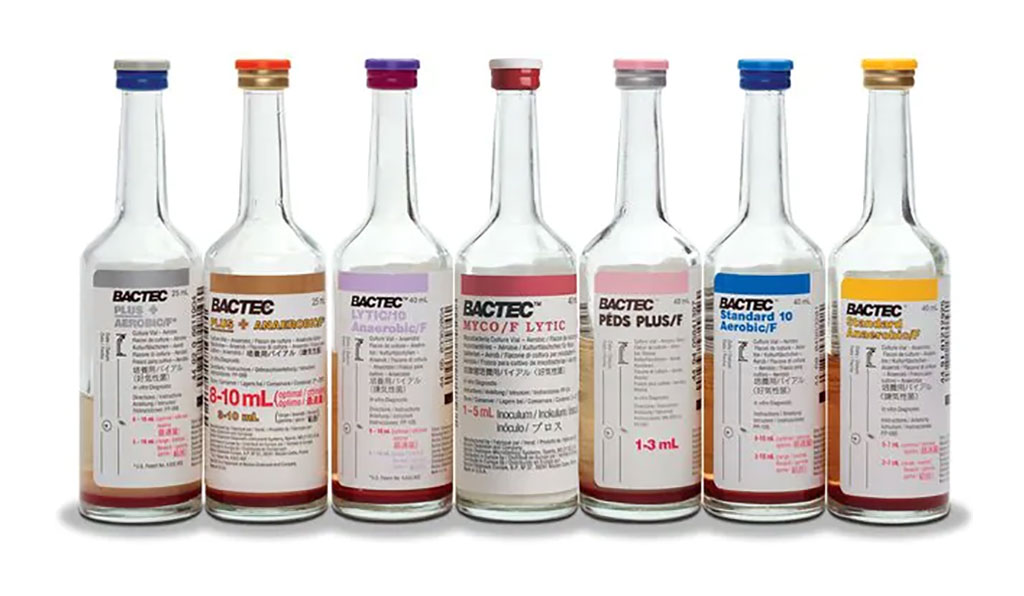
Microbes Identified In Leukemic Febrile Neutropenia
Despite diagnostic advances in microbiology, the etiology of neutropenic fever remains elusive in most cases. Infectious complications of neutropenia occur in more than 80% of patients who undergo chemotherapy for hematological malignancy and 10% to 50% of those with visceral malignancies. More...28 Jun 2022
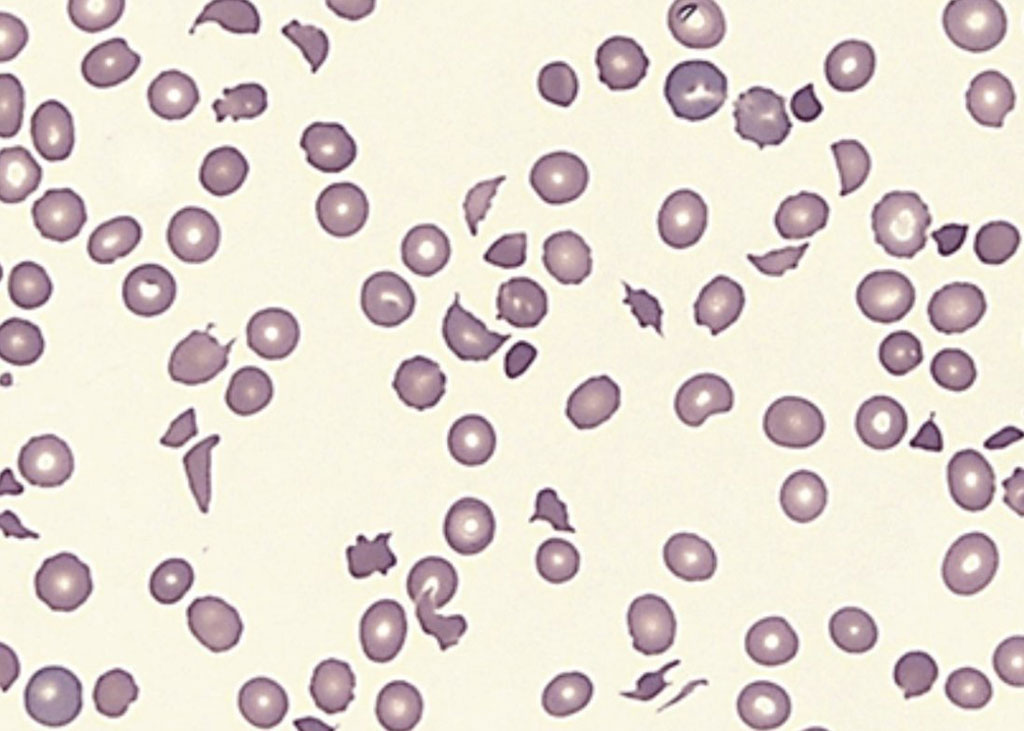
Cardiac Biomarkers Investigated in Acquired Refractory Thrombocytopenic Purpura Patients
Thrombotic thrombocytopenic purpura (TTP) is a rare disorder that causes blood clots (thrombi) to form in small blood vessels throughout the body. These clots can cause serious medical problems if they block vessels and restrict blood flow to organs such as the brain, kidneys, and heart. More...21 Jun 2022
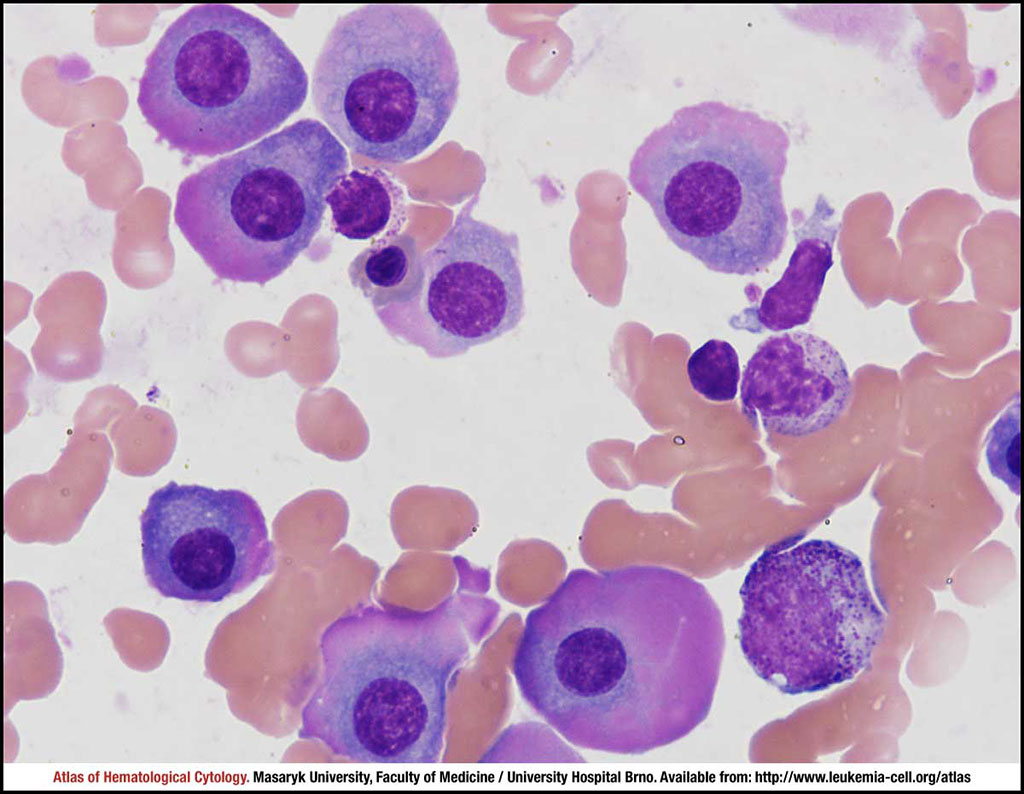
Prognostic Role for Circulating Tumor Cells Reinforced in Myeloma
Bone marrow plasma cells (BMPCs) are a marker of disease burden in monoclonal gammopathies and help discriminate among monoclonal gammopathy of undetermined significance, smoldering multiple myeloma, and symptomatic myeloma. More...20 Jun 2022
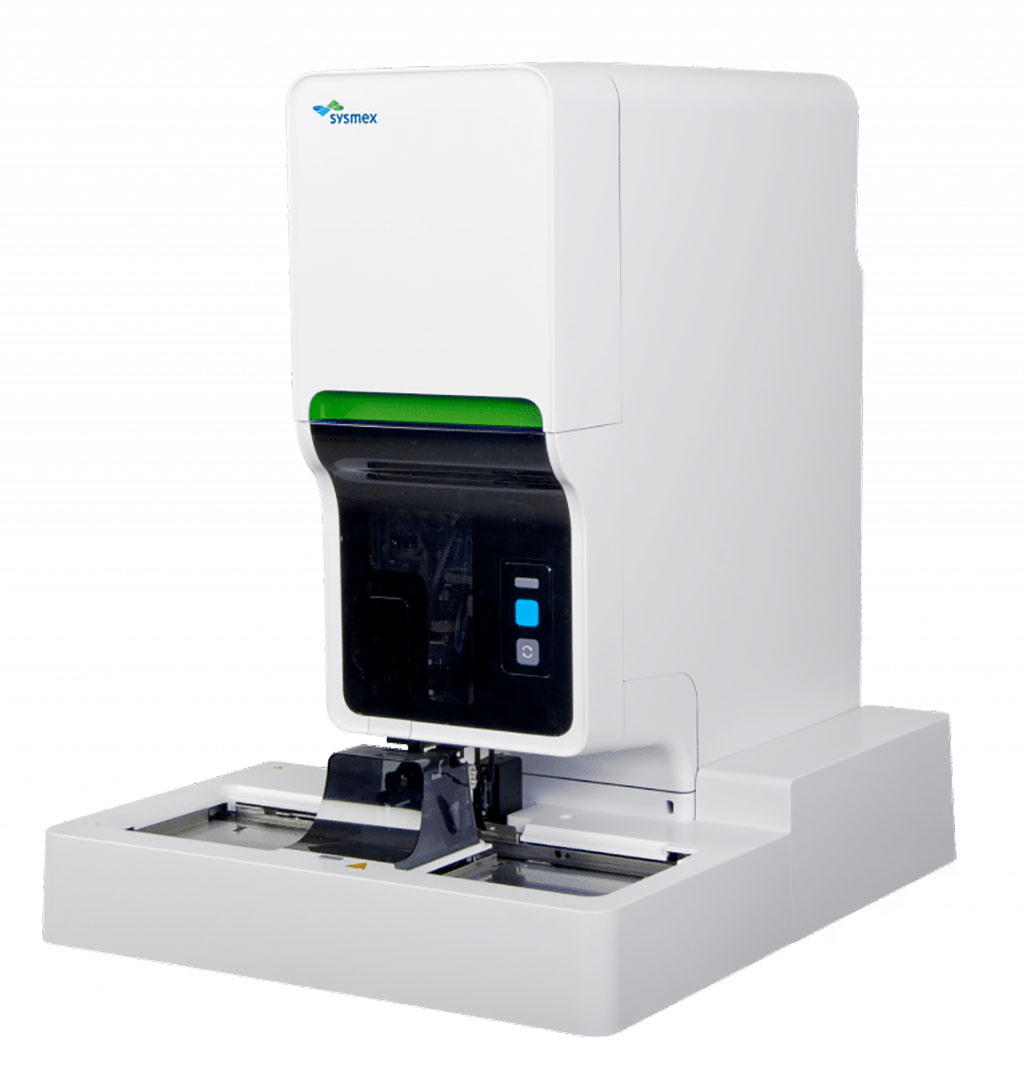
First and Only Automated Hematology Analyzer FDA-Cleared for Residual WBC Counting
The first and only automated hematology analyzer to be FDA-cleared for residual white blood cell counting (WBC) counting is a holistic solution that offers accurate cell counts on products that are key to blood centers and blood banks. More...16 Jun 2022


Platinum Member

Automated Coagulation Analyzer
Hemolumi H6
Gold Member

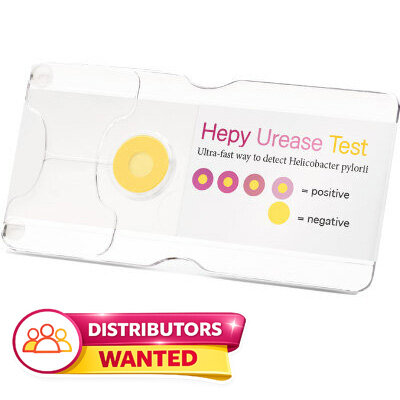
POC Helicobacter Pylori Test Kit
Hepy Urease Test
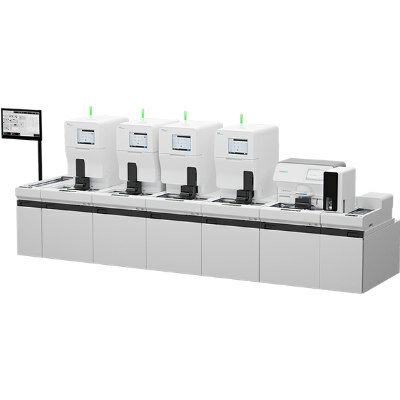

Automated Urinalysis Solution
UN-9000
New

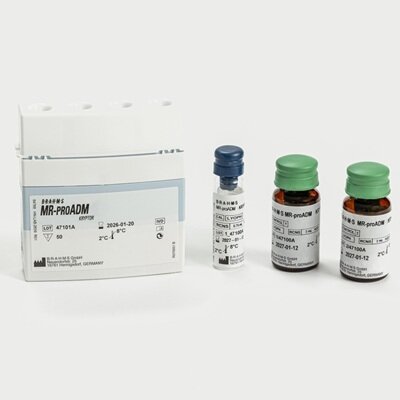
MR-proADM Test
B•R•A•H•M•S MR-proADM KRYPTOR test
In Other News
Donor Platelet Activation Varies by Time of Day
MRD in AML Detected by Deep Sequencing CD34+ Cells
LA Test Stability and Thrombosis Risk Examined
POC Hematology Analyzer for Oncology to Deliver Results in Five Minutes
Diagnostic Test for Blood Volume Analysis
RDW Blood Test Can Predict Mortality and Re-Admission Among Elderly, Hospitalized Patients
ALL Genomes Marked by High DNA Methylation Levels
Machine Learning Radically Reduces Workload of Cell Counting for Disease Diagnosis
POC Blood Test Analyzer Performs CBC in Five Minutes
Standard Blood Cancer Test Provides Clues of Rare IgD Multiple Myeloma
Complete Blood Count Parameters Associated With Pancreatic Beta-Cell Function
Microvascular/Endothelial Dysfunction Contributes to Post-COVID Syndrome Pathogenesis
Inexpensive Diagnostic Tool Enables Rapid Microbial Identification for Positive Blood Cultures
AST Automation System Rapidly Diagnoses Blood Stream Infection for Early Treatment Initiation
Platelet Indices Are Associated with Syphilis Activities
Stem Cell Architecture Drives Myelodysplastic Syndrome Progression
Novel Hemostatic Immunoassay Detects VTE with Excellent Accuracy, Reliability and Turnaround Time
Biochemical Abnormalities Among Celiac Disease Patients Referred for Antibody Testing
Thromboelastography Applied in Diagnosing Normal and Complicated Pregnancies
High-End Hematology Analyzers Compared for Overall Equipment Effectiveness
Pediatric Acute Lymphoblastic Leukemia Monitored by DNA Sequencing
Two Simple Serum Biomarkers Differentiate Lymphoma from Glioma
NGS Technology-Based Assay Detects Minimal Residual Disease in Patients with Lymphatic Hematological Tumors


The Hematology channel at LabMedica covers the all aspect of plasma, coagulation, transfusion medicine, and blood banking, as well as related lab tools and techniques.