






Hematology
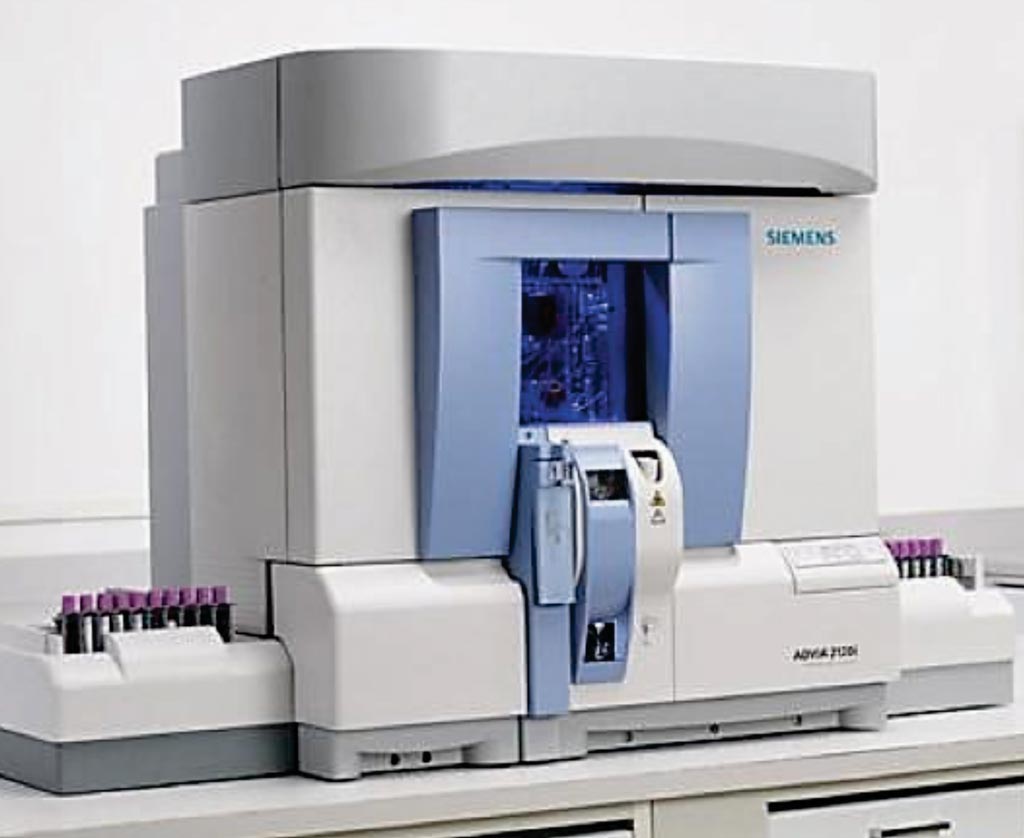
Umbilical Cord Bilirubin Predicts Neonatal Jaundice
Hyperbilirubinemia is one of the commonest causes of admission to hospital in the neonatal period amongst term babies in all settings. Prevention of serious complications depends on effective early treatment, but clinically significant jaundice may not develop until one or more days after delivery. More...17 Oct 2017
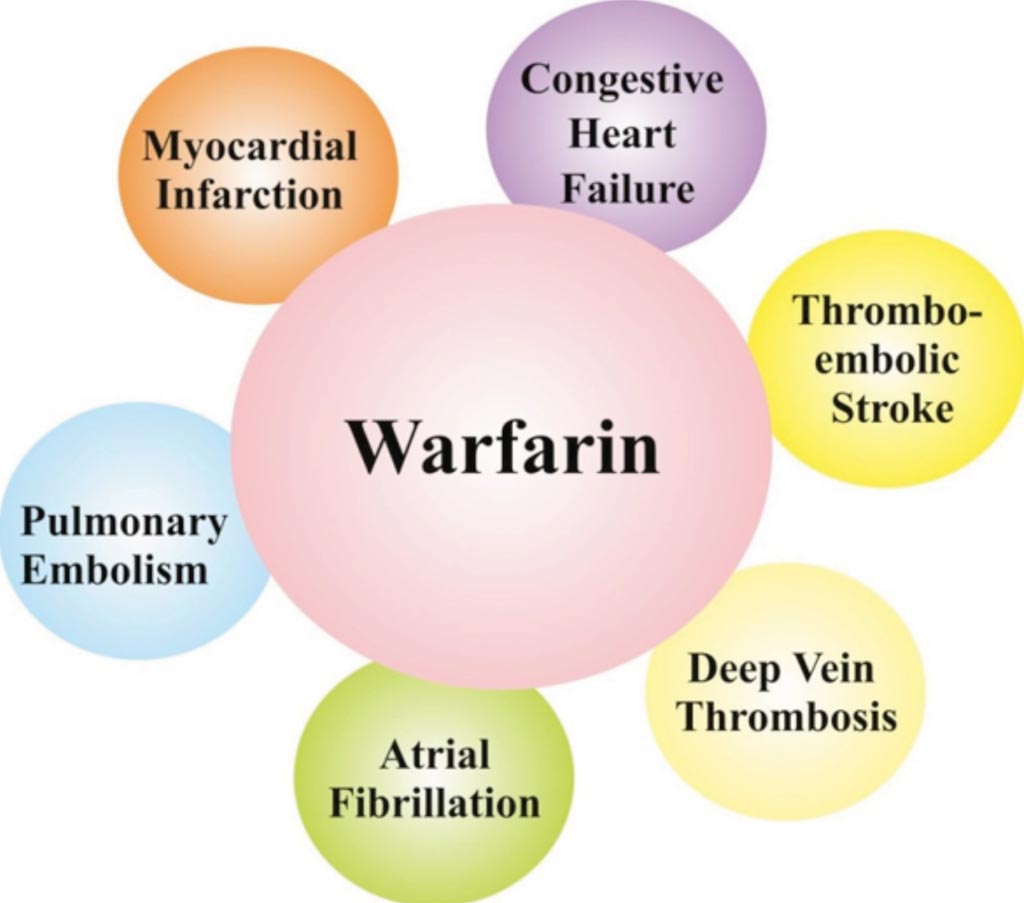
Genetic Testing Determines Safest Dose of Blood Thinner
Warfarin, commonly known as Coumadin, is frequently used to prevent a life-threatening blood clot. It is often prescribed to people having hip or knee replacement surgery, as well as to individuals with certain heart conditions that leave them vulnerable to a stroke. More...12 Oct 2017
Biomarkers of Sickle Cell and Hemoglobin SC Compared
Sickle cell disease (SCD) is a group of inherited diseases that includes sickle cell anemia (SCA), which is the homozygous state of the beta S (βS) allele and the most severe SCD genotype. The heterozygous state of the βS allele is characterized by the presence of hemoglobin S (HbS) and is associated with a group of less severe SCD, including hemoglobin SC disease (HbSC). More...10 Oct 2017
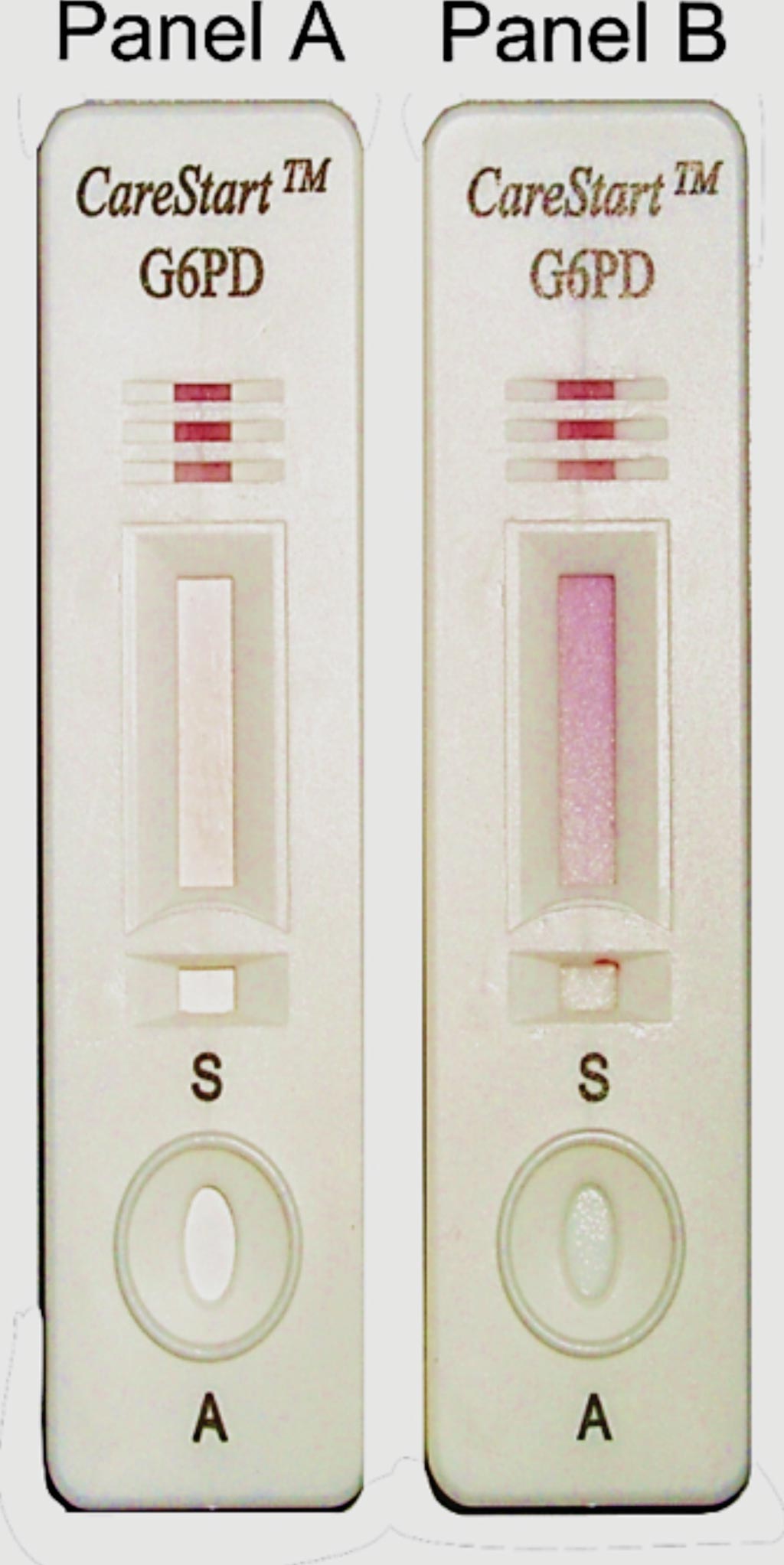
Field Evaluation of Quantitative G6PD Diagnostics Reviewed
Glucose-6-phosphate dehydrogenase deficiency (G6PDd) is the most common enzymopathy with at least 400 million individuals affected worldwide. More than 185 clinically relevant variants of G6PDd have been reported with a spectrum of associated enzyme deficiencies. More...27 Sep 2017
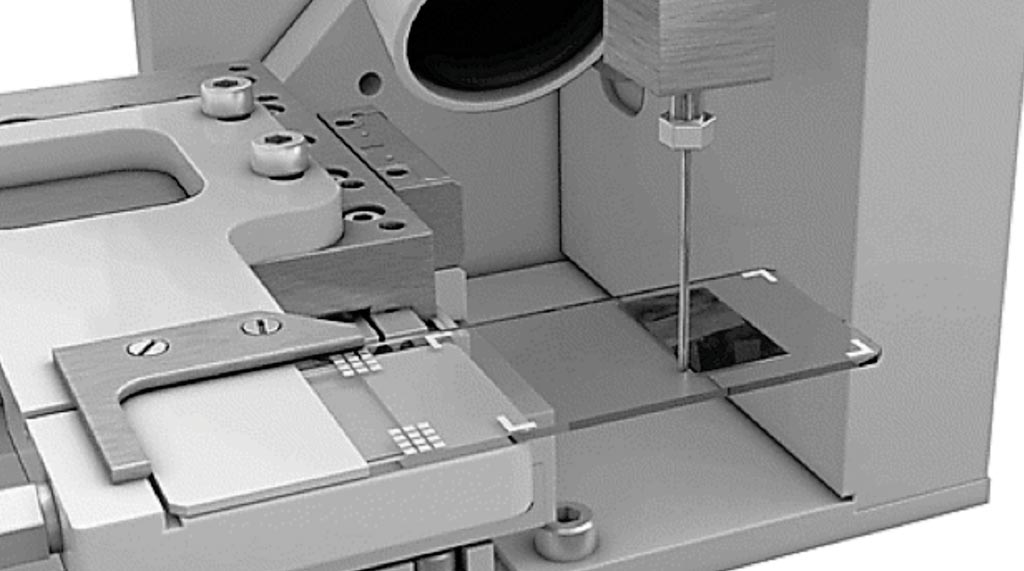
Automated Slide-Based Approach Introduced for CBCs
The most commonly performed clinical laboratory test is the complete blood count (CBC). Currently, laboratory CBC systems obtain cell counts and morphologic information by maintaining the blood cells in a liquid “flow” and by using the Coulter impedance-based orifice or laser-based cytometry. More...14 Sep 2017
CSF Pleocytosis Level Investigated as Diagnostic Predictor
Migration of leukocytes to the cerebrospinal fluid is a cardinal symptom of an infectious condition affecting the meninges or the cerebral parenchyma. Bacterial and viral meningitis cannot reliably be differentiated clinically and requires lumbar puncture to analyze the cerebrospinal fluid. More...13 Sep 2017


Platinum Member

Automated Coagulation Analyzer
Hemolumi H6
Gold Member

NEW PRODUCT : SILICONE WASHING MACHINE TRAY COVER WITH VICOLAB SILICONE NET VICOLAB®
REGISTRED 682.9
New

Slide Scanner System
NanoZoomer S540MD
New

Drug Testing Assays
Atellica DT 250 Analyzer
In Other News
New LC-MS/MS Test Introduced for TMA
Hematologic Abnormalities Found in HIV-Infected Children
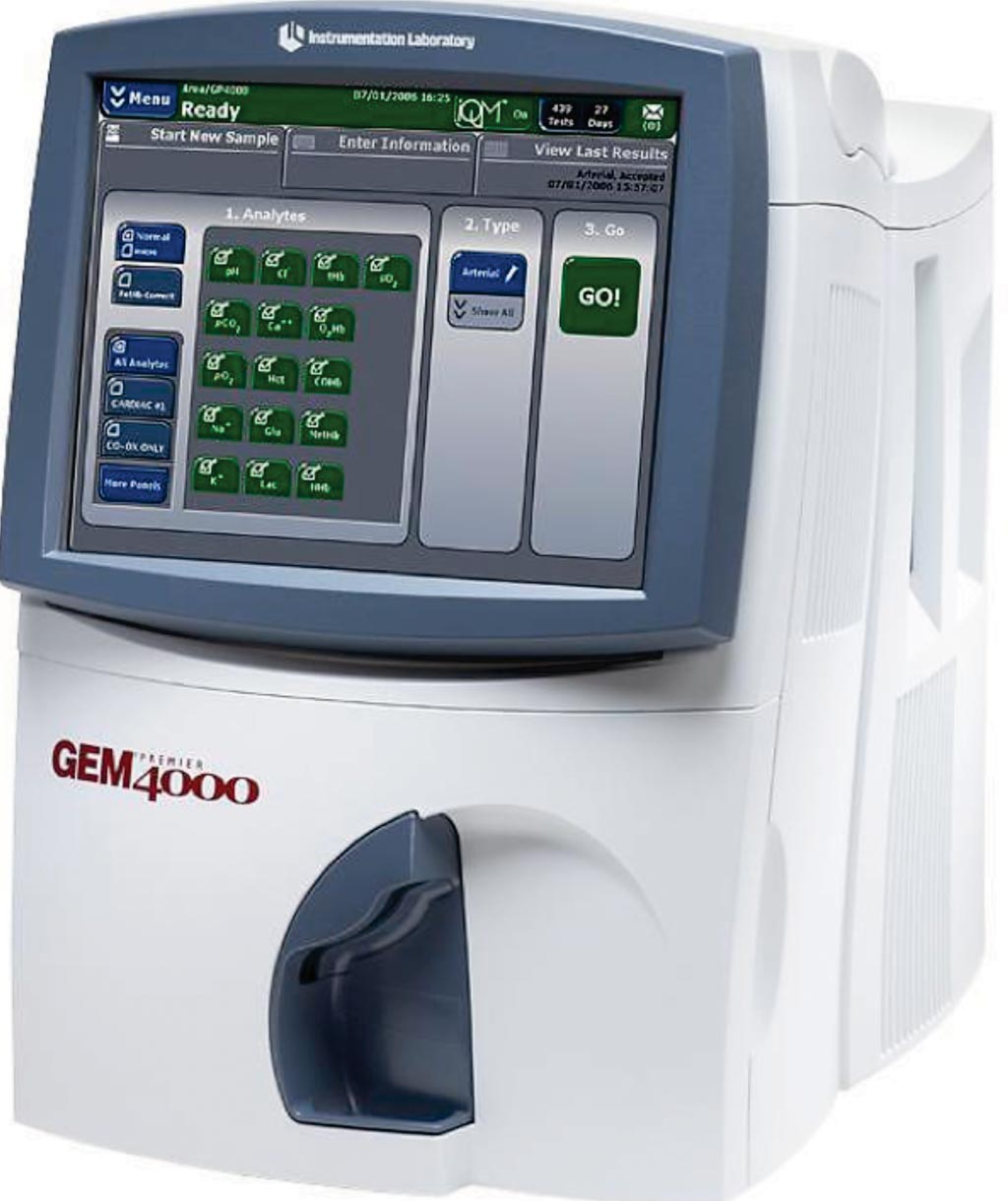
Capillary Blood Analysis Validated for POC System
Liquid Biopsy Approach Inspired by Swarm Behavior
CRISPR Illuminates Pediatric Bone Marrow Failure Syndrome
New Test Rapidly Diagnoses Preeclampsia
Revision of Guidelines Beneficial for Assessing Orthostatic Hypotension
Antimicrobial Therapy Biomarker Enumerates Eosinophil Count Changes
Platelet Counts Compared for Thalassemia Patients
FDA Approves New Diagnostic Tool for Leukemias and Lymphomas
Fully Automated Coagulation System Launched
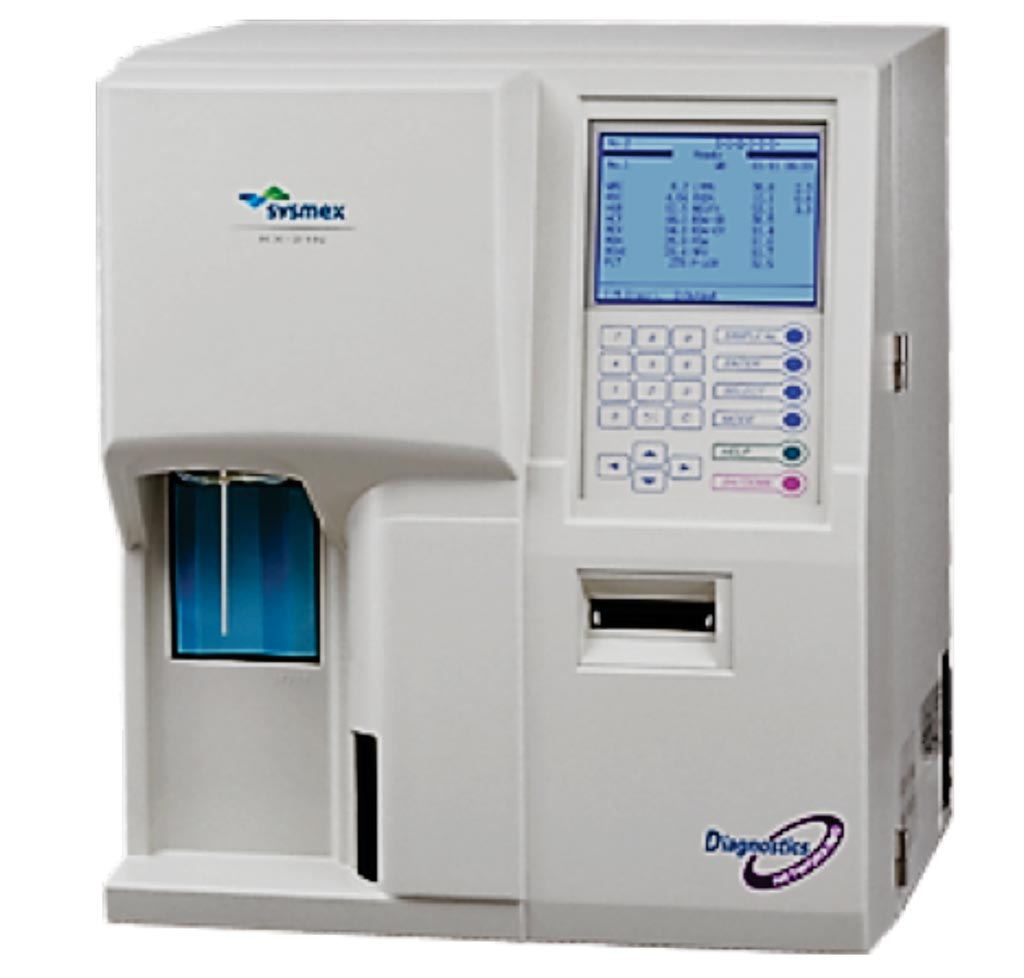
Next-Generation Hematology Analyzer Introduced
Peripheral Blood Smears Still Need Evaluation
Hemosiderosis Screening Assessed for Multiple Transfusion Patients
Elevated Blood Platelet Count Predicts Cancer
Panel Developed for Immunophenotyping Lymphocytes
Apheresis System with Secondary Devices Evaluated
Hospital-Acquired Anemia Affects One-Third of Patients
Clotting Assay Predicts Patient Transfusion Needs
Routine Blood Tests Could Help Predict Fitness Changes
Molecular Test Predicts Blood Cancer Patient Survival
Blood Group May Affect Heart Attack Risk
Manually Powered Device Separates Blood for Diagnosis


The Hematology channel at LabMedica covers the all aspect of plasma, coagulation, transfusion medicine, and blood banking, as well as related lab tools and techniques.