






Molecular Diagnostics
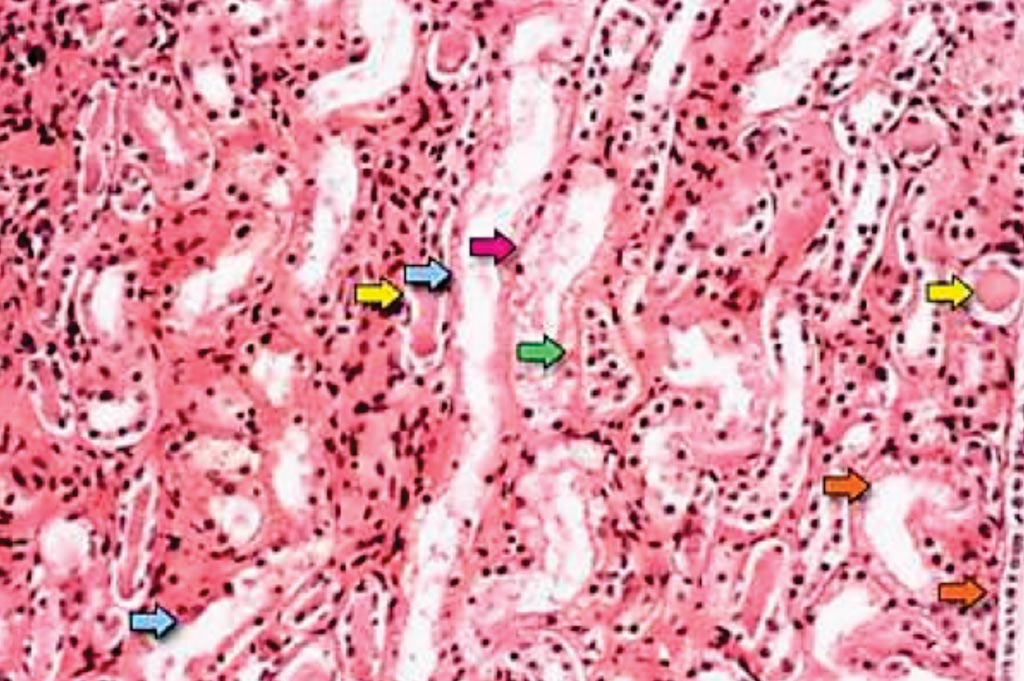
Autoimmune Disease Discovered Causes Kidney Failure
An insidious new autoimmune disease that causes kidney failure has been discovered. The condition causes a build-up of waste products in the blood and makes it difficult for kidneys to maintain adequate balance of fluid in the body. More...15 Nov 2017
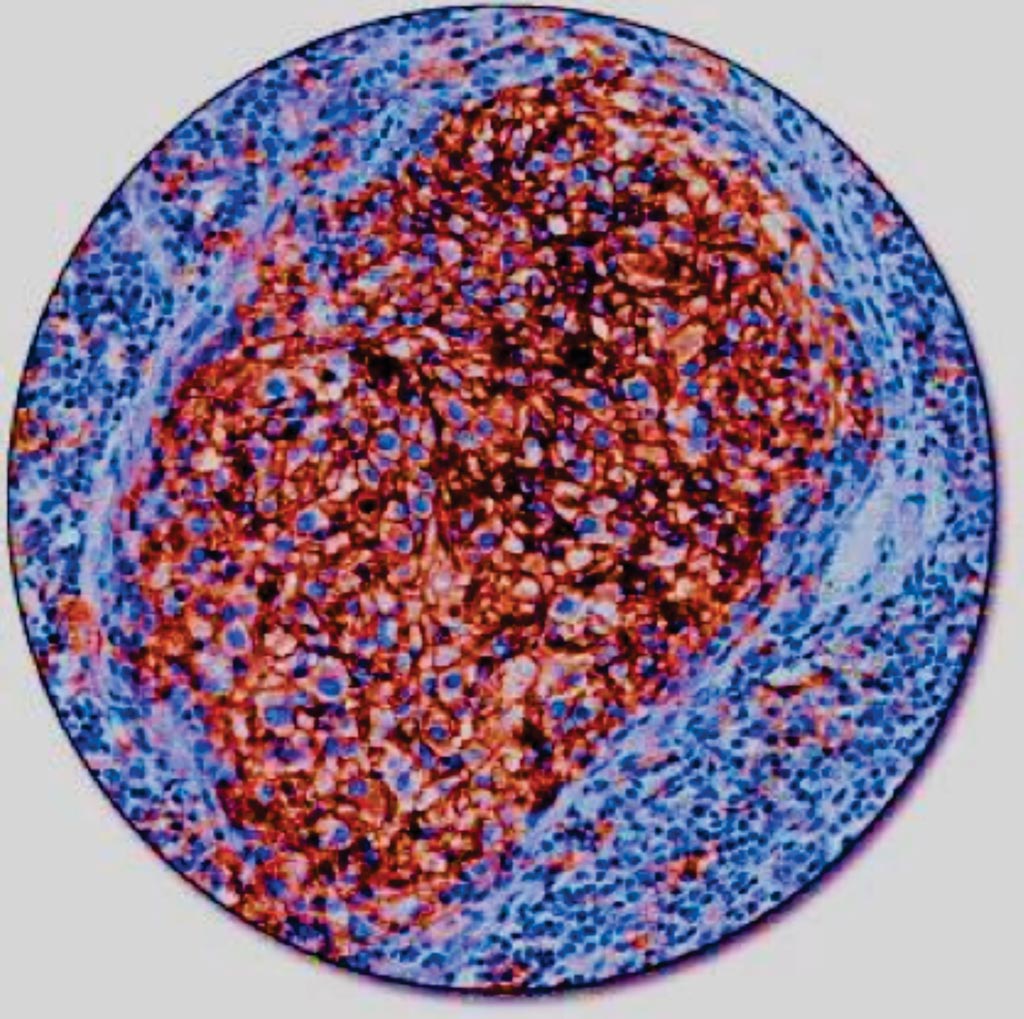
Assay May Boost Treatment of Non-Hodgkin Lymphoma
Diffuse large B-cell lymphoma (DLBCL) is an aggressive cancer and the most frequently diagnosed non-Hodgkin lymphoma worldwide. Recent advancements indicate that both the prognosis and choice of treatment of DLBCL may depend on identifying its molecular subtype. More...14 Nov 2017
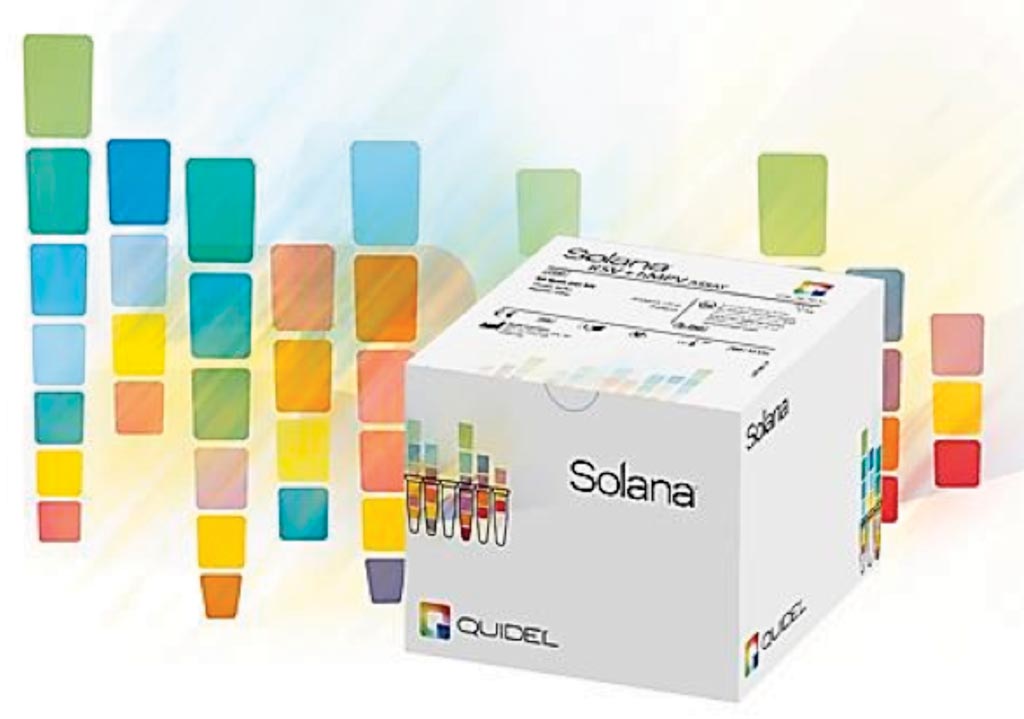
RSV Plus Human Metapneumovirus Assay Approved
Viral infections are the most frequent causes of morbidity and mortality due to respiratory dysfunction worldwide, especially in children under five years of age. Several studies have reported the association of Human Metapneumovirus (hMPV) and Respiratory Syncytial Virus (RSV) with acute respiratory infection. More...09 Nov 2017
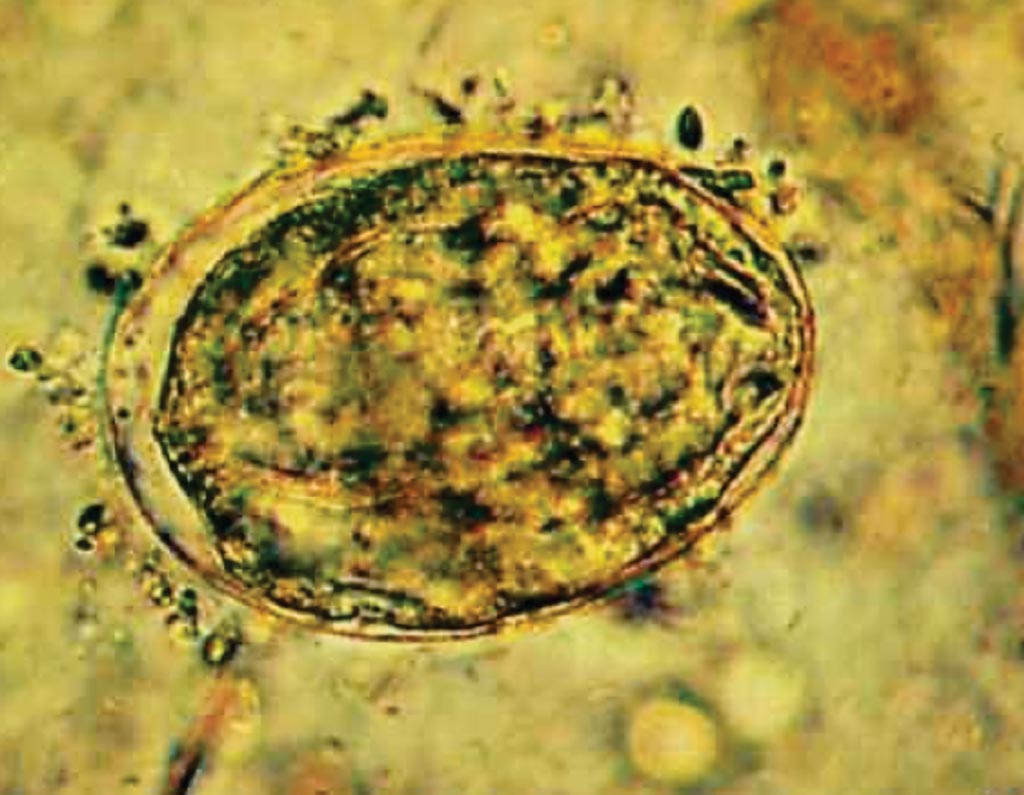
Droplet Digital PCR Detects Schistosomiasis DNA in Samples
Schistosoma japonicum is the only human blood fluke that occurs in China and Philippines and also in Sri Lanka. It is the cause of schistosomiasis japonica, a disease that still remains a significant health problem especially in lake and marshland regions. More...08 Nov 2017


Platinum Member

Automated Coagulation Analyzer
Hemolumi H6
Gold Member

Automatic Hematology Analyzer
CF9600
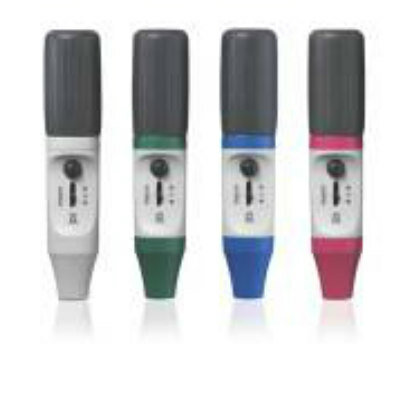

Manual Pipetting Aid
Pipette Controllers macro
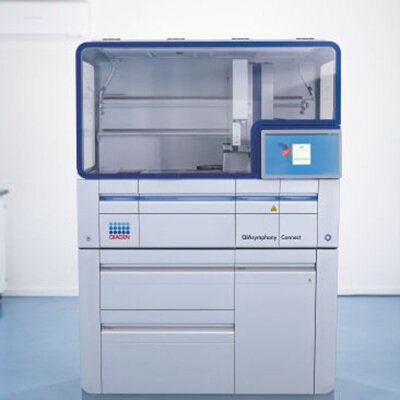
New

Nucleic Acid Purification Instrument
QIAsymphony Connect
In Other News
Molecular Assay Rapidly Detects Hemorrhagic Fever Virus
Study Pinpoints Biomarker Signature of MS
Genetics Helps Determine Warfarin Dose for Joint Surgery
Single-Cell Diagnostics Advocated for Breast Cancer Subtyping
Personal Lab Offers Rapid Detection of Food Allergens
Zika Virus Persists Longer in Cutaneous Capillary Blood
Genetic Mutation Linked to New Form of Diabetes
Viral Marker Predicts Flu Severity in Infected Patients
Genetic Testing Recommended for Children at Risk for Retinoblastoma
Biomarker Revealed Helps Guide Cancer Treatment Decisions
Potential Uses for Smartphone-Based Diagnostic Tool Described
LAMP Assay Detects Clonorchiasis in Human Samples
Next-Generation Immunoassay Developed for Chagas Diseases
Novel Blood Test Identifies Pathogens in Suspected Sepsis
New Genetic Risk Factors Identified for Peanut Allergy
Whole Genome Sequencing Identifies New Autism Signature
New Risk Variants Identified for Restless Legs Syndrome
Liquid Biopsy for Retinoblastoma Discovered
Genetic Decoding Improved for Neurodevelopmental Disorders
Biomarker Predicts Cancer Aggressiveness and Drug Susceptibility
Mitochondrial DNA Copy Number Improves CVD Risk Prediction
Bacterial Composition Linked to Breast Cancer
Preeclampsia Triggered By Gene Activity


Genetic Testing channel of LabMedica brings the latest in molecular genetics, cytogenetics, and epigenetics, and methods from PCR to FISH, and more.