Hologic Highlights Automated Lab Solutions and Expansive Diagnostic Menu at AACC 2022
|
By LabMedica International staff writers Posted on 26 Jul 2022 |


|
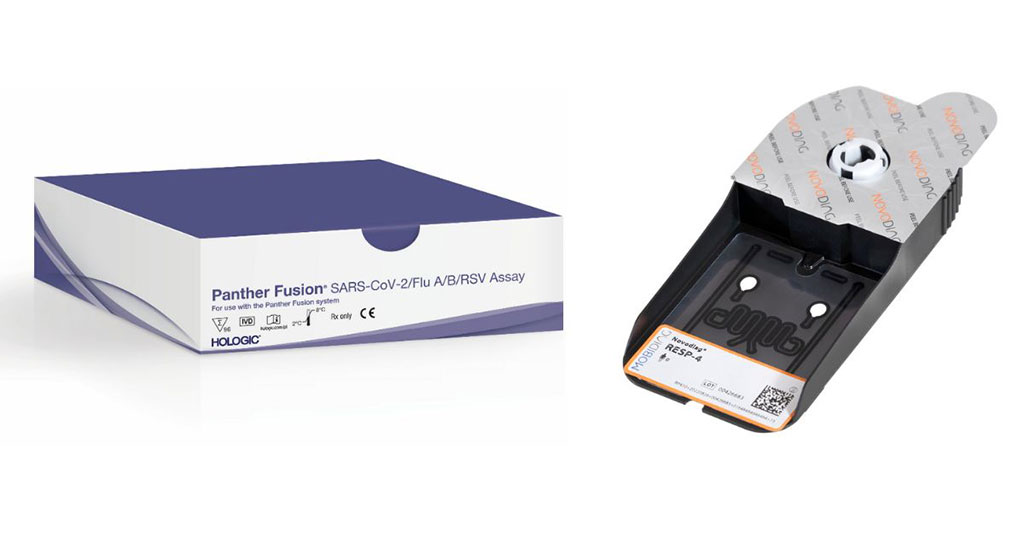
Hologic, Inc. (Marlborough, MA, USA) will be demonstrating how its automated solutions and expansive diagnostic menu can help laboratories grow at the 2022 AACC Clinical Lab Expo.
Hologic is highlighting its Panther Scalable Solutions that allow laboratories to expand their testing menu while adding on flexibility, capacity and walkaway time. The Panther system serves as the foundation of Hologic’s automation with the option to add on the Panther Fusion module, Panther Plus, Panther Link and Panther Trax. Panther Scalable Solutions provides laboratories an economical and scalable path to growth. Laboratories can select from a broad menu of Aptima and Panther Fusion assays that help guide patient care and enable early detection to run on scalable automation. With a menu and pipeline of world-class assays, laboratories can consolidate their molecular testing today and meet their growing needs tomorrow.
For instance, Hologic’s Panther Fusion SARS-CoV-2/Flu A/B/RSV assay and Novodiag RESP-4 molecular diagnostic test assays detect and differentiate four of the most prevalent respiratory viruses that can present with similar clinical symptoms: severe acute respiratory syndrome coronavirus 2 (SARS-CoV-2), influenza A (Flu A), influenza B (Flu B) and respiratory syncytial virus (RSV). The Panther Fusion SARS-CoV-2/Flu A/B/RSV assay is a high-performance cartridge-based assay that runs on the fully automated high-throughput Panther Fusion system. The Novodiag RESP-4 assay runs on the Novodiag system, the fully automated molecular diagnostic solution that delivers on-demand testing for infectious disease and antimicrobial resistance.
Also to be featured at the event is Hologic’s ThinPrep processors which are intuitive, versatile, and scalable solutions for laboratories of all volumes. The portfolio offers reliable, best-in-class systems that help cytology labs automate their processes – decreasing the need for hands-on labor and increasing laboratory efficiencies. And because every sample is a patient, Hologic’s automated chain-of-custody technology delivers confidence in results without sacrificing productivity. The company’s ThinPrep Pap test is the first FDA-approved, liquid-based cytology option in cervical disease screening and remains the preferred choice in Pap testing in the US.
Hologic is also highlighting its range of collection devices that support a comprehensive testing portfolio for women's health and infectious disease and have been rigorously developed for highly accurate and reliable results. These include diagnostic collection devices and transfer tubes, direct load capture cap collection kit, direct load tube collection kit and the Aptima multi-test swab.
Related Links:
Hologic, Inc.







Latest AACC 2022 News
- AACC 2022 Review: International Meetings Rebound After Suffering Long COVID Hiatus
- Faster Method Diagnoses Pediatric Urinary Tract Infections
- Tianlong Showcases Integrated PCR Lab Solutions at AACC 2022
- Cellavision Introduces New Workflow Solution for Low-Volume Hematology Labs at AACC 2022
- Advanced Instruments Introduces New Automated Osmometer at AACC 2022
- Innovative Smartphone and AI-Based Tests Featured at AACC 2022
- New Tests Presented at AACC 2022 to Solve Challenges in Children's Healthcare
- 10-Minute Sepsis Risk Stratification Test Introduced at AACC 2022
- New System Combining DNA/RNA Extraction and Smart PCR Setup Launched at AACC 2022
- Novel Small Volume Blood Collection Device Launched at AACC 2022
- AACC Disruptive Technology Award Finalists Tackle Cancer, Women's Health, and STDs
- Meridian Demonstrates State-of-the-Art Urea Breath Test System at AACC 2022
- Nikon Instruments Displays Latest Clinical Pathology Products at AACC 2022
- Seegene Showcases Latest Molecular Testing Solutions at AACC 2022
- Werfen Introduces New Acute Care Diagnostic Products for CVOR at AACC 2022
- PerkinElmer Demonstrates Vanadis NIPT Screening Platform Featuring Groundbreaking cfDNA Technology
Channels
Clinical Chemistry
view channel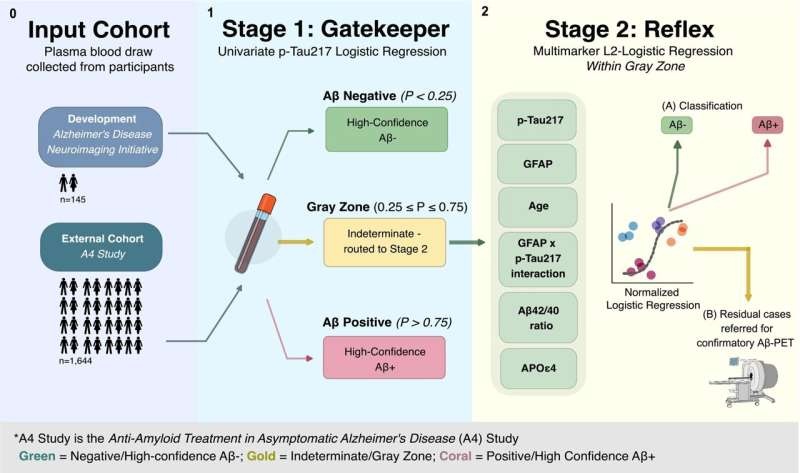
Two-Step Blood Testing Approach Reduces Uncertainty in Amyloid Assessment
Blood-based biomarkers offer a more accessible, less expensive way to detect Alzheimer’s-related brain changes than traditional methods such as amyloid-beta positron emission tomography (Aβ-PET).... Read more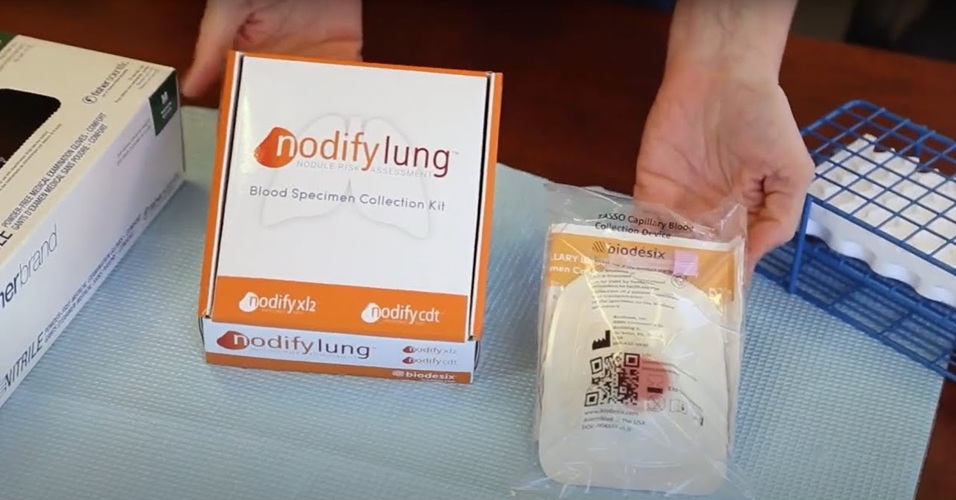
Multimodal Platform to Combine Blood and Imaging Biomarkers for Lung Nodule Assessment
Lung nodules are commonly detected during chest imaging and require careful risk assessment to determine whether follow-up imaging, additional testing, or biopsy is needed. With millions of patients evaluated... Read more

Molecular Diagnostics
view channel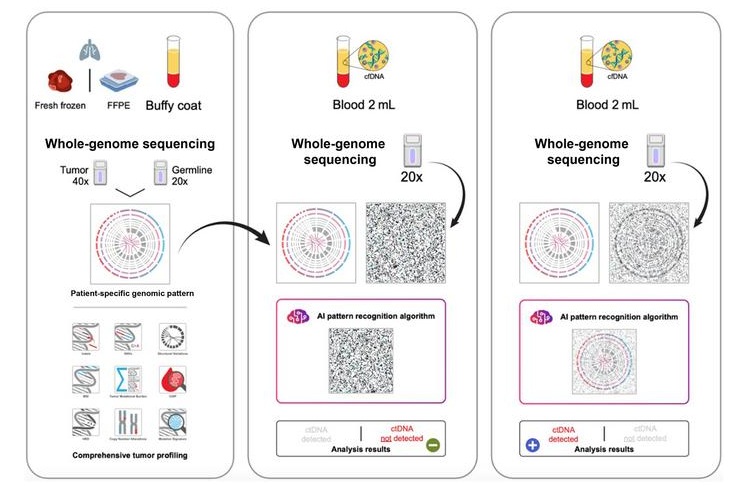
Liquid Biopsy Detects Lung Cancer Recurrence Signals Months Before Imaging
Non-small cell lung cancer (NSCLC) is the most common type of lung cancer and remains a major cause of cancer-related death. Early-stage tumors are often treated surgically, but recurrence can still occur... Read more
GeneDx Presents Evidence for Wider Clinical Use of Genomic Sequencing at ASHG 2026
GeneDx (Gaithersburg, MD, USA) is presenting 27 scientific abstracts at the American Society of Human Genetics (ASHG) 2026 Annual Meeting, taking place October 20–24 in Montreal, Canada.... Read more

Hematology
view channel
New Myelofibrosis Guidelines Recommend Expanded Genetic Testing at Diagnosis
Myelofibrosis is a rare, life-threatening blood cancer affecting up to six per 100,000 people. The disease causes scarring in the bone marrow, limiting the production of healthy blood cells and potentially... Read more
Handheld Point-of-Care Test Aims to Enable Rapid Coagulation Assessment in Trauma
Severe blood loss and inadequate tissue oxygenation are leading causes of preventable death after traumatic injury. Blood products are essential in trauma care, but cold-chain storage, short shelf life,... Read more

Immunology
view channel
Antibody Profiling Predicts Inflammatory Bowel Disease Years Before Diagnosis
Inflammatory bowel disease (IBD), which includes Crohn’s disease and ulcerative colitis, involves abnormal immune responses that cause persistent inflammation and damage in the digestive system.... Read more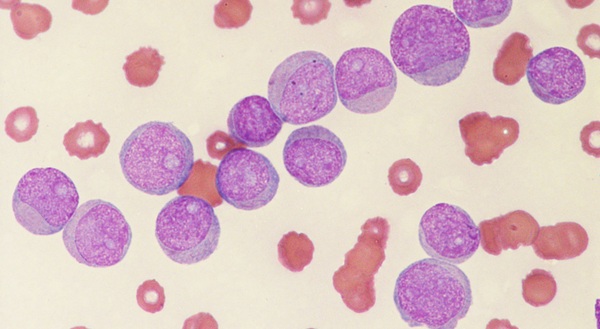
Immune Profiling Initiative Aims to Improve Bone Marrow Analysis in Leukemia
Acute myeloid leukemia (AML) is an aggressive blood cancer in which assessing disease burden after therapy can help guide clinical evaluation. Patients with measurable residual disease (MRD) after treatment... Read more
Immune Profiling Identifies Early Maternal Autoantibodies Linked to Preterm Birth Risk
A typical pregnancy lasts about 40 weeks, but labor begins prematurely in roughly one in 10 pregnancies. Preterm birth is the leading cause of newborn death worldwide, yet its underlying causes and which... Read more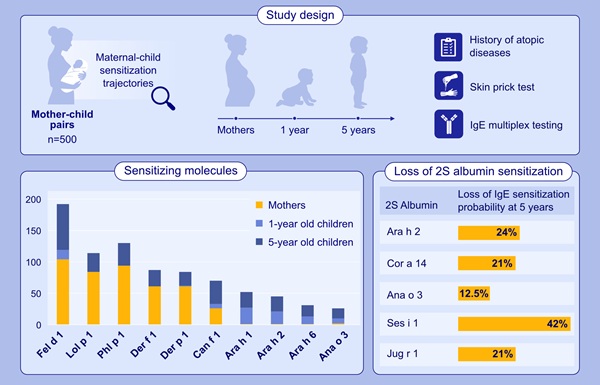
Longitudinal Blood Testing Reveals Changes in Allergen Sensitization During Childhood
Food allergy is a major childhood health concern, and distinguishing persistent risk from transient sensitization can guide clinical decisions. Specific IgE antibodies may be detectable even when a child... Read moreMicrobiology
view channel
Molecular Panel Gains WHO Emergency Use Listing to Support Ebola Outbreak Response
The ongoing Ebola Bundibugyo outbreak in the Democratic Republic of the Congo and neighboring countries has become one of the largest outbreaks of this Ebola virus species recorded to date.... Read more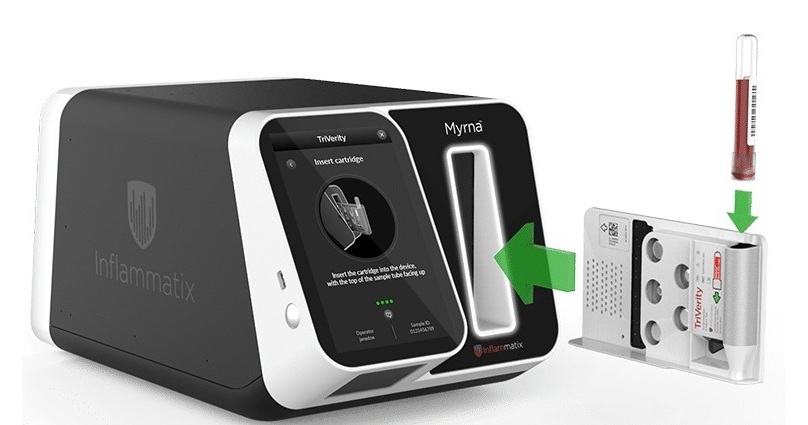
Rapid Host-Response Test Aims to Predict Corticosteroid Benefit in Sepsis
Sepsis and severe infections are difficult to treat because patients with similar clinical presentations may have very different underlying immune responses. Corticosteroids are commonly used in severe... Read more

Pathology
view channel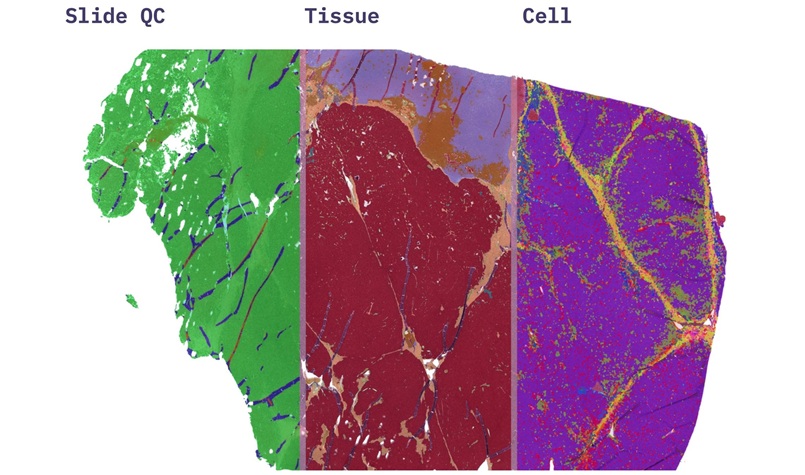
AI Pathology Platform Targets Workflow Delays and Molecular Test Failures
Pathology laboratories often rely on visual review of tissue slides to assess quality, identify tumors, count mitoses, and estimate tumor content. These tasks can be time-consuming and vary between readers,... Read more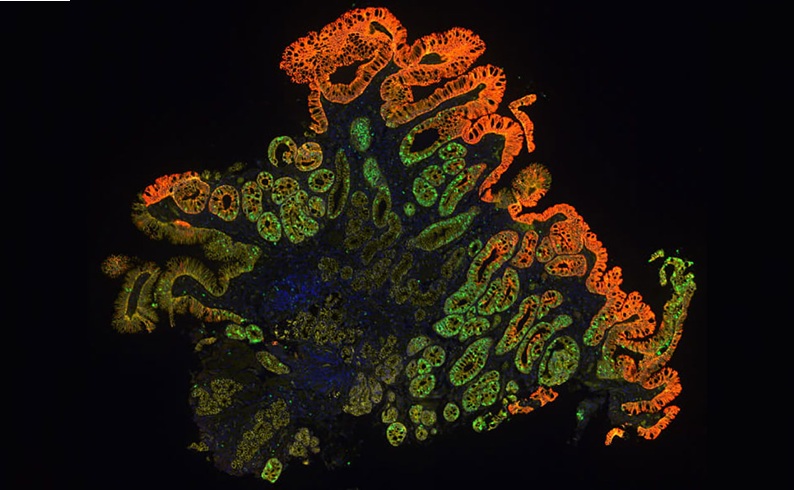
Molecular Testing Refines Barrett’s Esophagus Progression Risk Beyond Biopsy Findings
Barrett’s esophagus is a precancerous condition associated with increased risk of esophageal adenocarcinoma. Routine endoscopic biopsy findings guide surveillance and therapy, but histopathology may not... Read more
Technology
view channel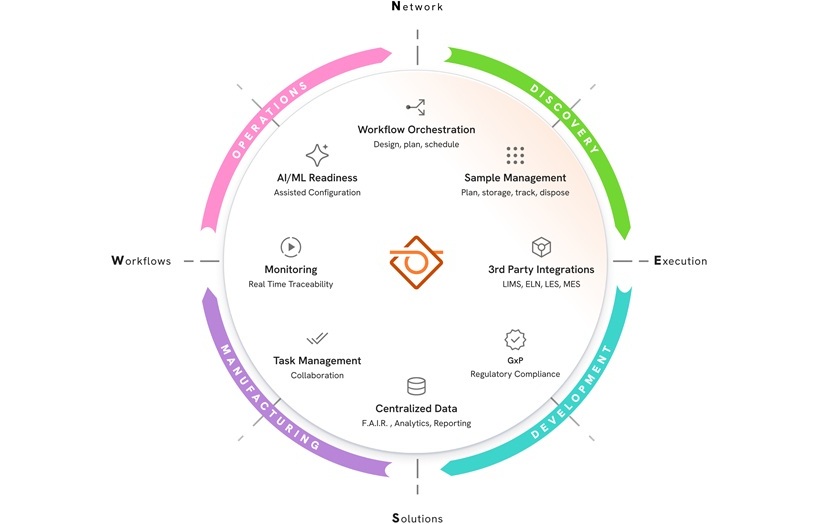
New AI-Powered System Aims to Streamline Laboratory and Manufacturing Workflows
Scientific laboratories supporting drug development, biotechnology, and materials research increasingly rely on coordinated digital workflows to move data, samples, and activities across teams.... Read more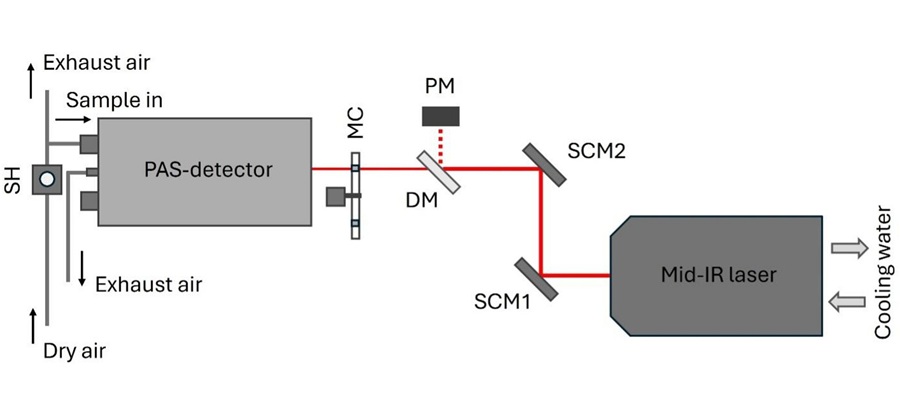
Laser-Based Swab Analysis Shows Promise for Detecting Disease-Linked Odor Patterns
Disease-related changes in volatile organic compounds can alter body odor, producing measurable patterns in exhaled breath and bodily fluids. Current analytical methods can be complex, time-consuming,... Read more
Industry
view channel
Hologic to Broaden Breast Cancer Testing Portfolio Through Reveal Genomics Acquisition
Hologic (Marlborough, MA, USA) has signed a definitive agreement to acquire Reveal Genomics (Barcelona, Spain), a precision oncology company developing genomic diagnostic tests to help personalize cancer treatment.... Read more