Siemens Exhibits Intelligent and Integrated Portfolio of IVD Solutions at AACC Clinical Lab Expo
|
By LabMedica International staff writers Posted on 27 Sep 2021 |


|

Siemens Healthineers (Erlangen, Germany) exhibited its intelligent, integrated range of IVD solutions at the 2021 AACC Annual Scientific Meeting & Clinical Lab Expo held in Atlanta on September 26-30.
AACC's annual meeting is the world's largest lab medicine conference with nearly 20,000 participants from more than 100 countries. At this year’s AACC, Siemens highlighted its Atellica Solution range of flexible, scalable, automation-ready immunoassay and chemistry analyzers. The Atellica Solution is comprised of sample management, as well as immunoassay and chemistry analyzers, and is an excellent fit for mid-and high-volume labs. It delivers unprecedented flexibility to adapt to changing testing needs and space constraints. The company demonstrated how its Atellica Integrated Automation (AIA) on the Atellica Solution consolidated revolutionary sample management technology, intelligent software, and IT to provide workflow efficiency with the flexibility to add decapping with little or no additional footprint.
Siemens also demonstrated its new, more-scalable automation solutions that include pre- and post-analytics for labs of all sizes to accommodate their specific needs, testing volumes, and resources. Siemens showed how labs could achieve open, one-touch, end-to-end testing with Aptio Automation; Drive open, one-touch sample preparation for multidisciplinary labs with its Atellica Task Targeted Automation; and streamline lab’s biggest chemistry and immunoassay workloads with the Atellica Integrated Automation
Siemens also introduced its new Atellica Hematology Portfolio that pairs analyzers and automation with intelligence to streamline operations and support accurate clinical decision-making that’s on-time, every time. The company displayed two new flagship hematology analyzers - Atellica HEMA 570 and 580 – that are designed to deliver reliable performance targeted for high volume routine workloads.
Siemens is currently developing the Atellica CI 1900 System for the lower-to-mid-volume laboratories. It is planned to utilize the same menu, reagents, consumables, and detection technology as the Atellica Solution2. The Atellica CI 1900 System1 is being designed to take the lab a step beyond by offering the same workflow and IT across the network with the goal of redefining standardization.
Related Links:
Siemens Healthineers






Latest Immunology News
- Werfen Expands Automated APS Testing with FDA-Cleared and CE-Marked IgA Reagent
- Blood Biomarker May Predict Colitis Risk in Checkpoint Inhibitor Therapy
- Blood EBV Activity Biomarkers May Predict Multiple Sclerosis Relapse Months Ahead
- New Cellular Map May Help Predict Crohn’s Disease Course in Children
- Temporal Immune Profiling Reveals How Sepsis States Change Over Time
- Study Identifies Immune Cells That Drive Harmful Autoantibody Responses in COVID-19
- Gut “Memory” May Explain Why IBD Flares Return
- AI-Based Antibody Profiling Predicts Strength of COVID-19 Vaccine Response
- Immune Biomarkers May Predict Recurrent Checkpoint Inhibitor Arthritis
- Immune Cell Blood Test May Predict Melanoma Immunotherapy Response
- Study Reveals Viral Protein Driving COVID-19-Related Vascular Injury
- Antibody Profiling Identifies Preclinical Inflammatory Bowel Disease Years Before Diagnosis
- Study Reveals Immune Mechanism Driving Severe COVID-19 Progression
- Ultrasensitive Blood Test Detects Sjögren’s Signature Years Before Diagnosis
- New Assays Expand Cytokine Testing for Transplant and Immunocompromised Patients
- Cell-Free Assay Detects Functional IgE for Food Allergy Diagnosis
Channels
Clinical Chemistry
view channel
Breath Analysis Shows Promise for Distinguishing Cancerous from Benign Lung Nodules
Lung nodules are frequently detected during imaging, but distinguishing malignant from benign findings can require invasive procedures. Some patients undergo biopsies, bronchoscopy, or surgery before learning... Read more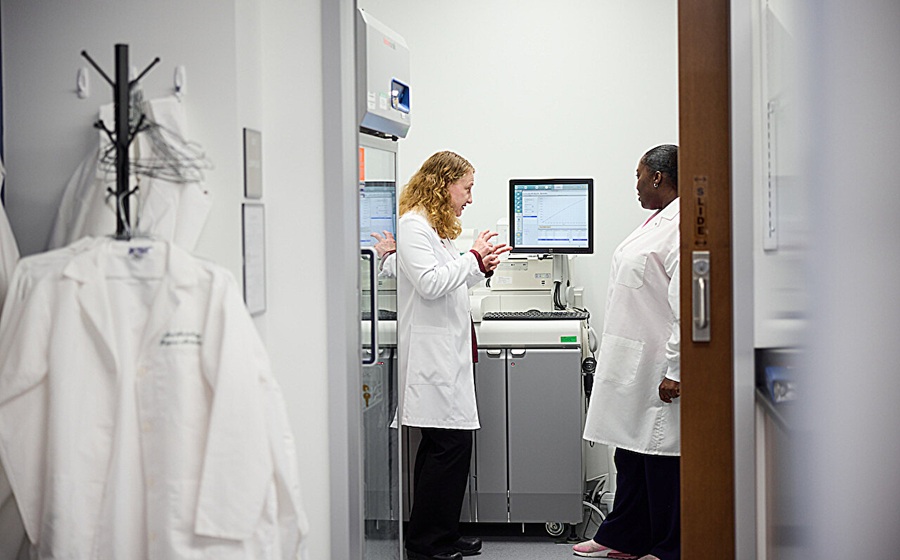
Blood Biomarker Patterns Could Support Monitoring of Anti-Amyloid Treatment
Patients with early-stage Alzheimer’s disease may receive anti-amyloid therapy to clear amyloid protein deposits from the brain. These treatments can slow disease progression, but they do not cure the... Read more
Prehospital Blood Test Could Reduce Emergency Transfers for Chest Pain
Chest pain leads to ambulance transport to an emergency department for about 95% of patients, although only a minority have a serious cardiac condition. Troponin testing helps assess heart muscle damage,... Read more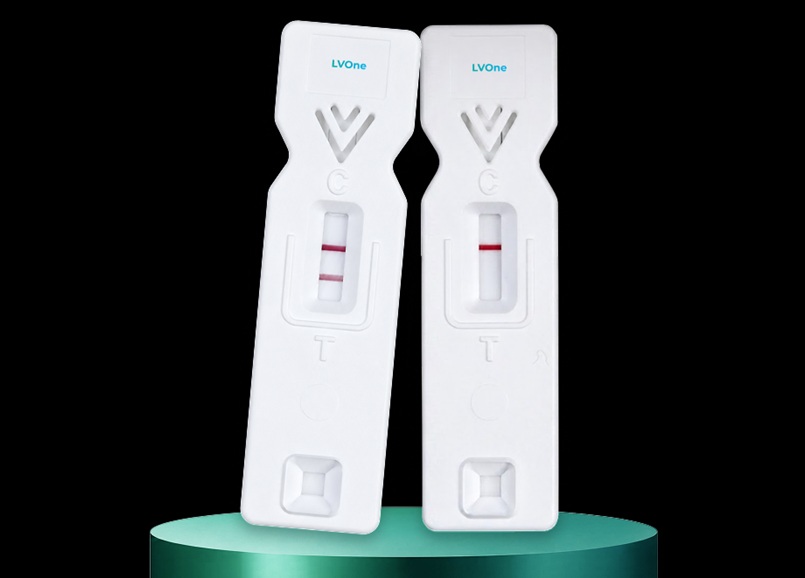
First-of-Its-Kind Rapid Blood Test Gains CE Mark to Support Prehospital Stroke Triage
Rapid stroke identification before hospital arrival is critical because treatment efficacy declines with every minute of delay. However, definitive assessment typically requires hospital-based imaging,... Read moreMolecular Diagnostics
view channel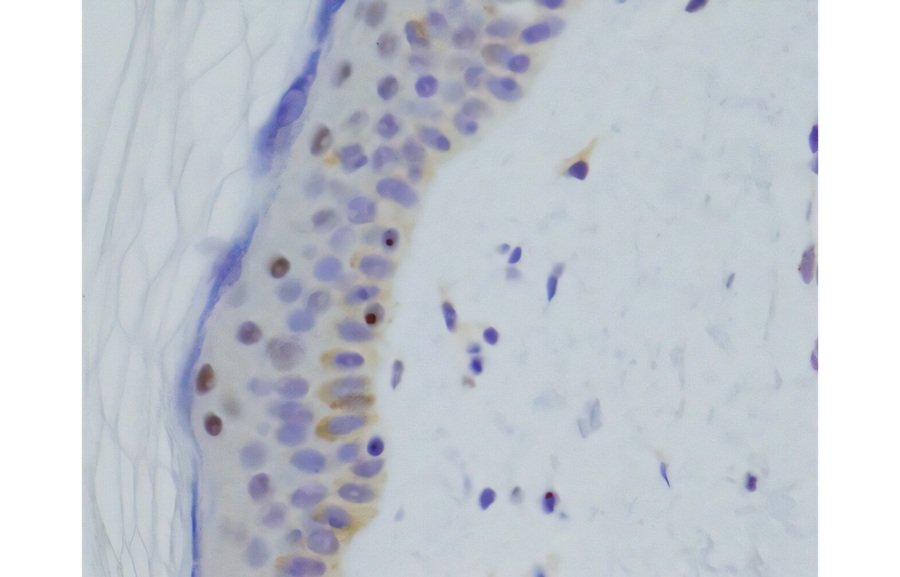
Long-Read Sequencing Test Identifies Genetic Causes in Inherited Muscle Disease
Inherited muscle diseases are highly heterogeneous and often progressive, leaving many patients without a molecular diagnosis despite extensive testing. Conventional assays typically target individual... Read more
Genomic Test Guides Extended Endocrine Therapy in Early Breast Cancer
Adjuvant endocrine therapy is standard for hormone receptor–positive early breast cancer, yet prolonged treatment brings side effects and adherence problems. Whether to continue beyond five years is a... Read more

Hematology
view channel
New Donor Genetic Marker May Help Predict Stem Cell Transplant Success
Donor selection for hematopoietic stem cell transplantation plays a major role in relapse risk and survival for patients with blood cancers and other blood disorders. Despite advances in genotyping, uncertainty... Read more
Updated Ferritin Thresholds Improve Detection of Iron Deficiency
Iron deficiency is one of the most common health conditions worldwide, yet its nonspecific symptoms can delay diagnosis for months. Variation in testing practices and ferritin thresholds may contribute... Read more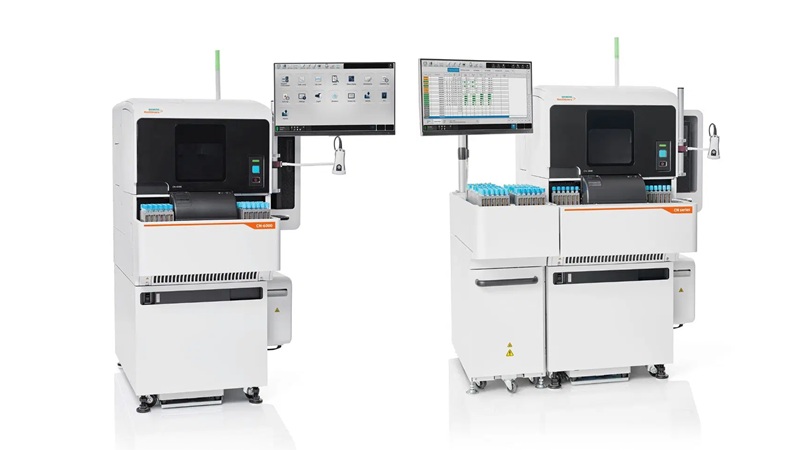

Immunology
view channel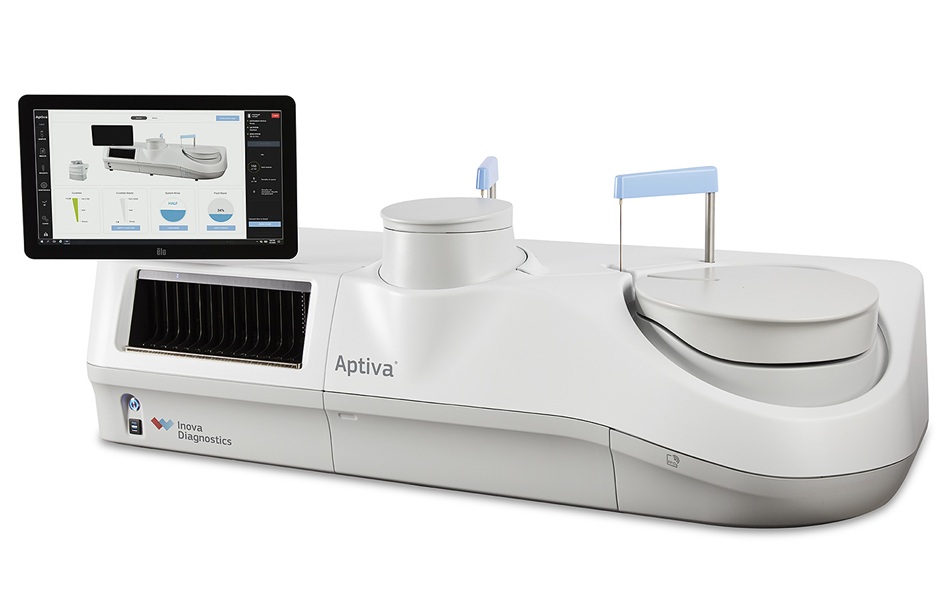
Werfen Expands Automated APS Testing with FDA-Cleared and CE-Marked IgA Reagent
Antiphospholipid syndrome (APS) is an autoimmune disorder associated with thrombosis and pregnancy complications, but its symptoms can overlap with those of other conditions, complicating diagnosis.... Read more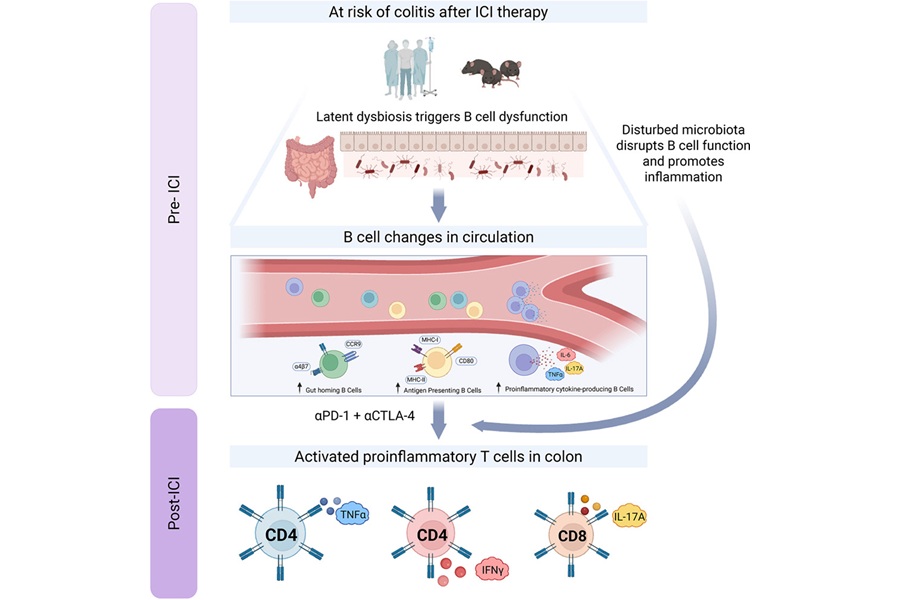
Blood Biomarker May Predict Colitis Risk in Checkpoint Inhibitor Therapy
Immune checkpoint inhibitors can trigger immune-related colitis that leads to severe diarrhea, abdominal pain, and treatment interruptions. Clinicians currently lack validated tools to identify which patients... Read more
Blood EBV Activity Biomarkers May Predict Multiple Sclerosis Relapse Months Ahead
Predicting relapse in multiple sclerosis (MS) remains difficult, limiting opportunities for timely intervention and monitoring. Although many people harbor latent Epstein-Barr virus (EBV), growing evidence... Read more
Microbiology
view channel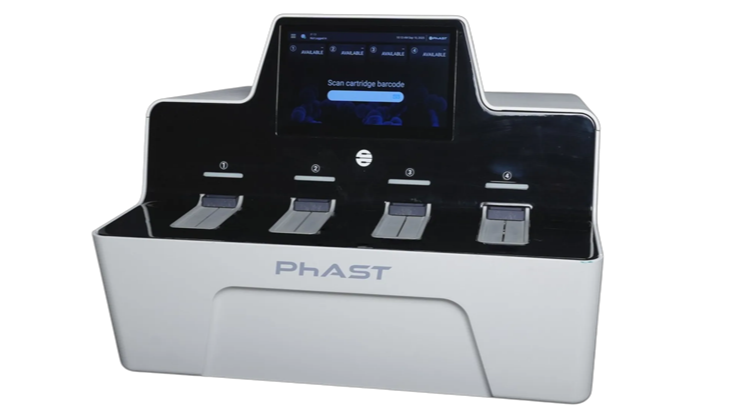
FDA Clears Rapid Phenotypic Antimicrobial Susceptibility System for Positive Blood Cultures
Bloodstream infections require prompt treatment, but antimicrobial susceptibility results often lag behind a positive blood culture. Conventional testing can take another 24 to 48 hours after a culture... Read more
New Urine Test Expands Mycotoxin Analysis to 31 Markers for Broader Exposure Assessment
Clinical evaluation of mold exposure increasingly relies on urinary mycotoxin testing, but limited marker coverage and metabolite masking can make results more difficult to interpret. Broader analysis... Read more

Pathology
view channel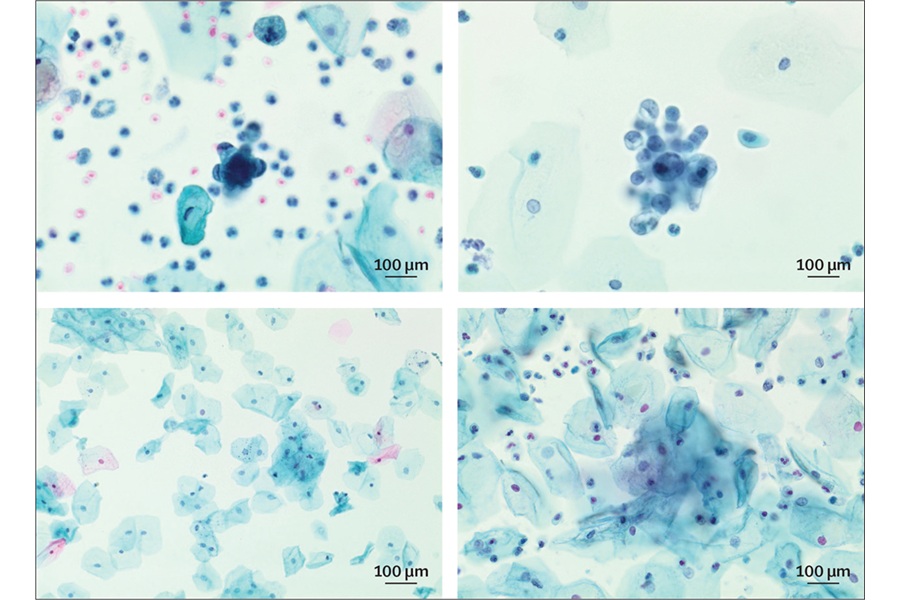
Simple Test Could Reduce the Need for Invasive Uterine Cancer Checks
Bleeding after menopause requires prompt investigation for uterine cancer, although most women who undergo testing do not have the disease. In the U.K., uterine cancer affects nearly 10,000 women each... Read more
Tumor Blood Vessel Features May Help Predict Colorectal Cancer Survival
Colorectal cancer outcomes vary widely, and tumor biology remains a key determinant of prognosis. Because neoplasms depend on a vascular supply, differences in intratumoral vessels may influence survival.... Read more
Multimodal AI Improves Breast Cancer Recurrence Risk Prediction Beyond Standard Genomic Testing
Predicting which patients with early-stage breast cancer will develop distant recurrence remains difficult, complicating decisions about long-term therapy and surveillance. Widely used genomic assays are... Read more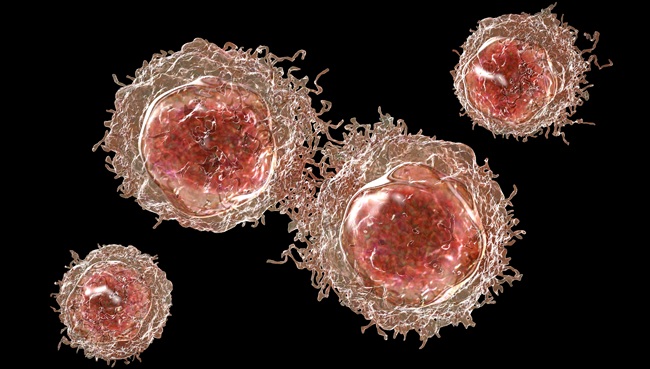
Technology
view channel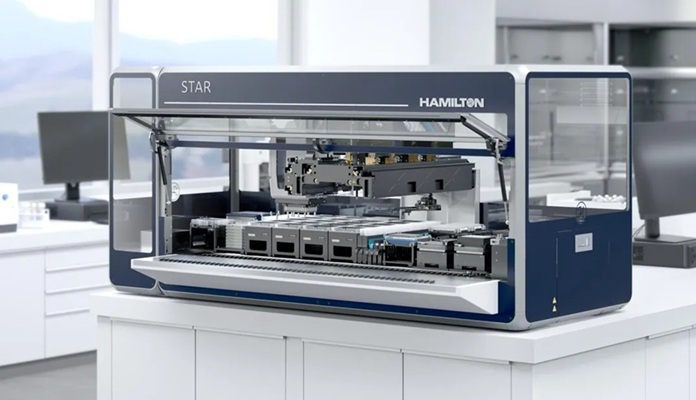
New Automation Workflow Streamlines NGS Library Preparation for High-Volume Labs
Demand for next-generation sequencing (NGS) continues to rise as laboratories process growing sample volumes, yet library preparation remains labor-intensive and a frequent source of variability.... Read more
ADLM Calls for CLIA Updates to Support Safe AI Use in Laboratory Medicine
Clinical laboratories increasingly use artificial intelligence to verify, interpret, and report results, but safeguards under the Clinical Laboratory Improvement Amendments (CLIA) were designed in 1992.... Read more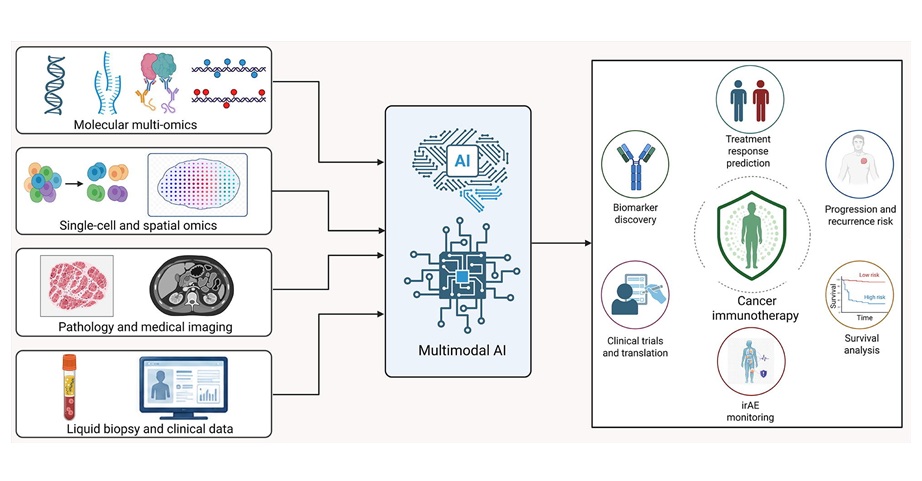
Industry
view channel
Collaboration Combines AI Cognitive Assessment and RNA Blood Testing for Earlier Alzheimer’s Detection
Alzheimer’s disease is often identified only after substantial neurodegeneration, partly because current diagnostic pathways are fragmented and difficult to scale. As treatment shifts toward earlier intervention,... Read more
Mayo Clinic Laboratories and Pathology Asia Expand Genomic Testing Across Asia-Pacific
Mayo Clinic Laboratories and Pathology Asia Holdings (PAH), together with subsidiary LifeStrands Genomics, announced a strategic investment and collaboration focused on expanding access to advanced diagnostics... Read more