MEDLAB Middle East 2021 Brings World of Laboratory Medicine Together Under ‘United by Business’ Show Theme
|
By LabMedica International staff writers Posted on 21 Jun 2021 |


|

Illustration
The 2021 edition of Medlab Middle East, the MENA region’s largest medical laboratory exhibition and congress, took place at the Dubai World Trade Centre from 21-24 June, bringing the global healthcare community together under the show theme of ‘United by Business’.
A host of countries, including the UK, Germany, Austria, Belgium, Israel, Korea, Poland, Spain and the US, participated in the event. A range of key laboratory and trade professionals from across the region attended the live and in-person event. It featured a range of keynote speeches and scientific lectures, industry briefings, product demonstrations and networking opportunities, as well as a series of pre-arranged one-to-one meetings, with an emphasis on creating lasting relationships.
Underscoring the confidence within the industry and the increased demand from laboratory professionals to participate in a physical event, several companies and health authorities exhibited at the event. These included the UAE Ministry for Health and Prevention, the College of American Pathologists, Abbott Laboratories, Horiba, Randox Laboratories, Euroimmun, BioVender Group, Seegene, Stago and Erba Group.
Similar to last year, before travel restrictions and country-wide lockdowns, the event attracted over 23,000 professional visitors from over 140 countries and over 3,800 delegates. A total of 14 country pavilions were present at the 2021 edition of the show. The event featured eight Continuing Medical Education (CME) conferences during the live and in-person event and as part of the show's online element. New to the 2021 conference program was a dedicated focus on COVID-19 which addressed the latest scientific findings on the virus and discussed its impact on health in the region.
These were complemented by returning accredited conferences: Laboratory Management, Clinical Chemistry, Clinical Microbiology, Histopathology, Molecular & Genomic Diagnostics, Haematology and Blood Transfusion. A series of medical speciality days have also been scheduled, with experts presenting the latest advancements in specific clinical specialties, including multi-omics, genetics, and stem cells. Medlab Middle East also hosted a range of dedicated online focus days until July 22 to allow participants to continue to do business as well as featured over 180 educational sessions to choose from. The online event platform for both Arab Health and Medlab Middle East was launched on 23 May and will remain available until 22 July.





A host of countries, including the UK, Germany, Austria, Belgium, Israel, Korea, Poland, Spain and the US, participated in the event. A range of key laboratory and trade professionals from across the region attended the live and in-person event. It featured a range of keynote speeches and scientific lectures, industry briefings, product demonstrations and networking opportunities, as well as a series of pre-arranged one-to-one meetings, with an emphasis on creating lasting relationships.
Underscoring the confidence within the industry and the increased demand from laboratory professionals to participate in a physical event, several companies and health authorities exhibited at the event. These included the UAE Ministry for Health and Prevention, the College of American Pathologists, Abbott Laboratories, Horiba, Randox Laboratories, Euroimmun, BioVender Group, Seegene, Stago and Erba Group.
Similar to last year, before travel restrictions and country-wide lockdowns, the event attracted over 23,000 professional visitors from over 140 countries and over 3,800 delegates. A total of 14 country pavilions were present at the 2021 edition of the show. The event featured eight Continuing Medical Education (CME) conferences during the live and in-person event and as part of the show's online element. New to the 2021 conference program was a dedicated focus on COVID-19 which addressed the latest scientific findings on the virus and discussed its impact on health in the region.
These were complemented by returning accredited conferences: Laboratory Management, Clinical Chemistry, Clinical Microbiology, Histopathology, Molecular & Genomic Diagnostics, Haematology and Blood Transfusion. A series of medical speciality days have also been scheduled, with experts presenting the latest advancements in specific clinical specialties, including multi-omics, genetics, and stem cells. Medlab Middle East also hosted a range of dedicated online focus days until July 22 to allow participants to continue to do business as well as featured over 180 educational sessions to choose from. The online event platform for both Arab Health and Medlab Middle East was launched on 23 May and will remain available until 22 July.

Platinum Member
Automated Coagulation Analyzer
Hemolumi H6
New
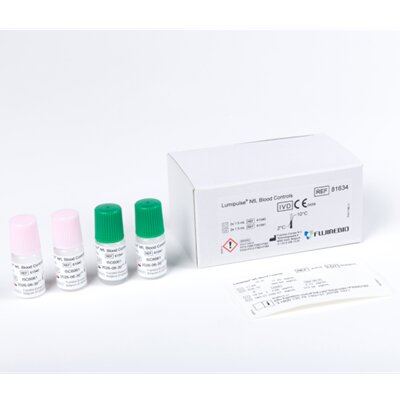
Neurofilament Light Chain Assay
Lumipulse G NfL Blood
Gold Member
Neonatal Heel Incision Device
Tenderfoot
Latest MEDLAB 2021 News
- Ortho Exhibits VITROS Range of Diagnostic Testing and Automation Solutions at MEDLAB Middle East 2021
- MP Biomedicals Exhibits Diagnostics Kits and Sample Prep Solutions at MEDLAB Middle East 2021
- BD Demonstrates Latest Medtech Innovations at MEDLAB Middle East 2021
- Diagnostica Stago Highlights Max Generation Family of Coagulation Analyzers at MEDLAB Middle East 2021
- Randox Showcases Latest Product Portfolio and Services at MEDLAB Middle East 2021
- Horiba Medical Exhibits New Generation of Automated Hematology Analyzers at MEDLAB Middle East 2021
- Rad Source Technologies Introduces Premier X-Ray Blood Irradiator RS 3400 at MEDLAB Middle East 2021
- Nova Biomedical Showcases Advanced Point-of-Care Capillary Blood Analyzers at MEDLAB Middle East 2021
- Erba Mannheim Showcases Exciting New Introductions at MEDLAB Middle East 2021
- Bioperfectus Presents Advanced Infectious Disease Diagnostic Solutions at MEDLAB Middle East 2021
- PerkinElmer Demonstrates High-Throughput MSMS Dried Blood Spot Screening Solutions at Medlab Middle East 2021
- PerkinElmer’s EUROIMMUN Presents Novel Ultrafast Automated Microscope and Intelligent Software for State-of-the-Art Diagnostics
- LumiraDx Highlights Next-Generation Point of Care Solutions at MEDLAB Middle East Virtual Event
- Quidel Showcases Comprehensive Suite of COVID-19 Testing Solutions at MEDLAB Middle East 2021
Channels
Clinical Chemistry
view channel
Common Kidney Function Tests May Miss CKD in Cancer Patients
Chronic kidney disease (CKD) can complicate cancer care, as reduced kidney filtration may affect treatment eligibility and dosing. In oncology, kidney function assessment often relies on estimated glomerular... Read more
Point-of-Care Blood Biomarker Test Detects Brain Injury Missed by CT
Traumatic brain injury remains difficult to assess in emergency settings because some patients continue to have symptoms despite normal computed tomography findings. Approximately 2.8 million people in the U.... Read more

Molecular Diagnostics
view channel
Six-Gene Score Improves Prognosis Prediction in Acute Myeloid Leukemia
Acute myeloid leukemia (AML) is a blood cancer with outcomes that can vary widely from one patient to another. This variability complicates prognosis despite the laboratory information available from bone... Read more
Long-Read Sequencing Reveals Cancer-Driving Changes Missed by Conventional Testing
Cancer diagnosis often relies on identifying genomic alterations that influence tumor behavior and treatment selection. However, conventional short-read sequencing can miss complex DNA changes, leaving... Read more
Whole-Genome MRD Test Detects Traces of Cancer During and After Treatment
Small amounts of cancer can remain after treatment at levels that are difficult to detect, creating uncertainty about recurrence risk. Molecular residual disease (MRD) testing addresses this challenge... Read more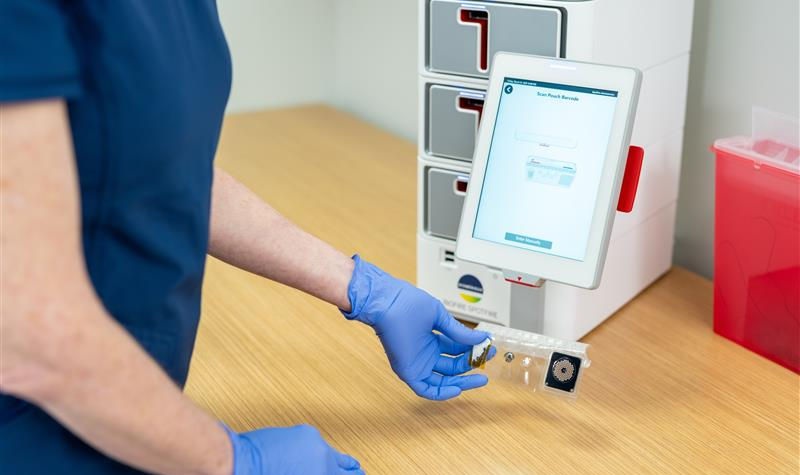
Molecular Vaginitis Panel Gains FDA Clearance and CLIA Waiver for Point-of-Care Use
Vaginitis affects most women at least once in their lifetime and can cause painful, disruptive symptoms. Common causes include bacterial vaginosis, vulvovaginal candidiasis, and trichomoniasis, reflecting... Read moreHematology
view channel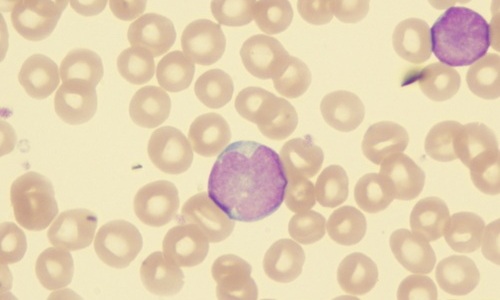
New Risk-Stratification Tool Predicts Relapse After Blinatumomab in Childhood ALL
Acute lymphoblastic leukemia in children and young people requires careful assessment of relapse risk, particularly as treatment approaches move beyond standard chemotherapy. Traditional relapse predictors... Read more
New Myelofibrosis Guidelines Recommend Expanded Genetic Testing at Diagnosis
Myelofibrosis is a rare, life-threatening blood cancer affecting up to six per 100,000 people. The disease causes scarring in the bone marrow, limiting the production of healthy blood cells and potentially... Read more

Immunology
view channel
Antibody Profiling Predicts Inflammatory Bowel Disease Years Before Diagnosis
Inflammatory bowel disease (IBD), which includes Crohn’s disease and ulcerative colitis, involves abnormal immune responses that cause persistent inflammation and damage in the digestive system.... Read more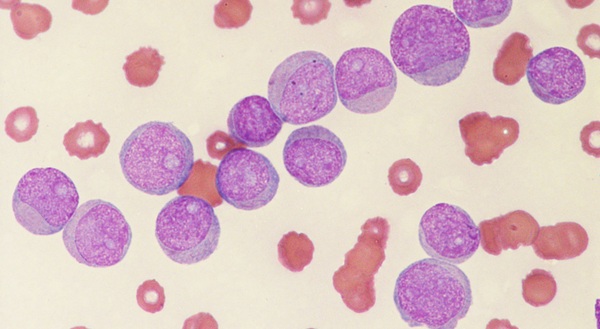
Immune Profiling Initiative Aims to Improve Bone Marrow Analysis in Leukemia
Acute myeloid leukemia (AML) is an aggressive blood cancer in which assessing disease burden after therapy can help guide clinical evaluation. Patients with measurable residual disease (MRD) after treatment... Read more
Immune Profiling Identifies Early Maternal Autoantibodies Linked to Preterm Birth Risk
A typical pregnancy lasts about 40 weeks, but labor begins prematurely in roughly one in 10 pregnancies. Preterm birth is the leading cause of newborn death worldwide, yet its underlying causes and which... Read more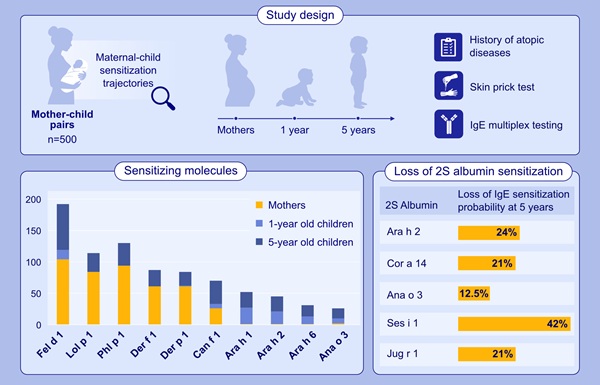
Longitudinal Blood Testing Reveals Changes in Allergen Sensitization During Childhood
Food allergy is a major childhood health concern, and distinguishing persistent risk from transient sensitization can guide clinical decisions. Specific IgE antibodies may be detectable even when a child... Read moreMicrobiology
view channel
Molecular Panel Gains WHO Emergency Use Listing to Support Ebola Outbreak Response
The ongoing Ebola Bundibugyo outbreak in the Democratic Republic of the Congo and neighboring countries has become one of the largest outbreaks of this Ebola virus species recorded to date.... Read more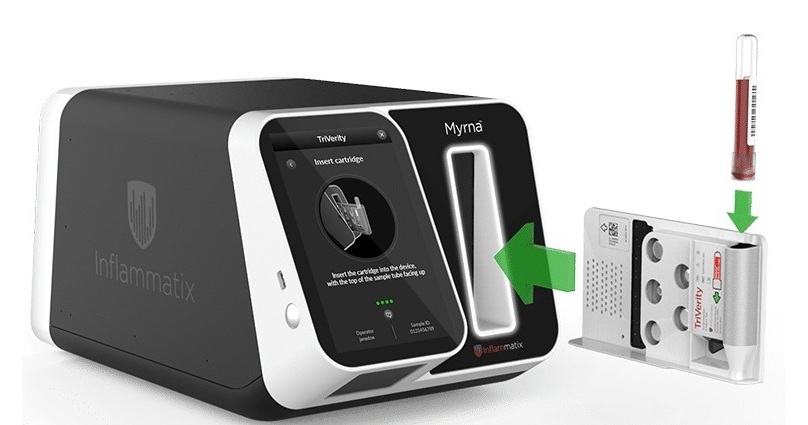
Rapid Host-Response Test Aims to Predict Corticosteroid Benefit in Sepsis
Sepsis and severe infections are difficult to treat because patients with similar clinical presentations may have very different underlying immune responses. Corticosteroids are commonly used in severe... Read more
Pathology
view channel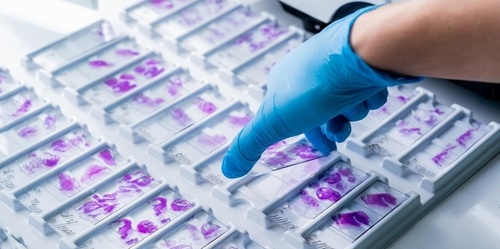
Digital Pathology Test Stratifies Recurrence Risk in Early Breast Cancer
In hormone receptor-positive, human epidermal growth factor receptor 2 (HER2)-negative early breast cancer, accurate recurrence-risk assessment helps guide treatment decisions. However, individual risks... Read more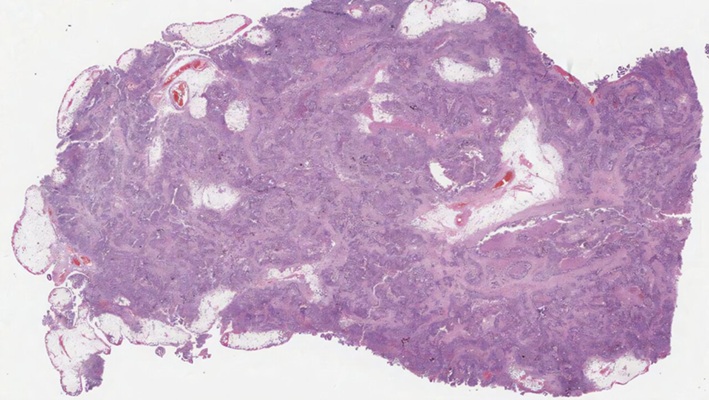
AI Pathology Tool Predicts DNA Repair Deficiency in High-Grade Serous Ovarian Cancer
High-grade serous tubo-ovarian carcinoma is an aggressive cancer arising in the ovaries or fallopian tubes. Some tumors exhibit homologous recombination deficiency (HRD), a feature reflecting impaired DNA repair.... Read more
Technology
view channel
Compact PCR Thermal Cycler Launches for Routine Molecular Laboratory Workflows
Molecular laboratories rely on nucleic acid analysis to detect molecular information accurately and reproducibly across a wide range of applications. Supporting these routine workflows, a newly launched... Read more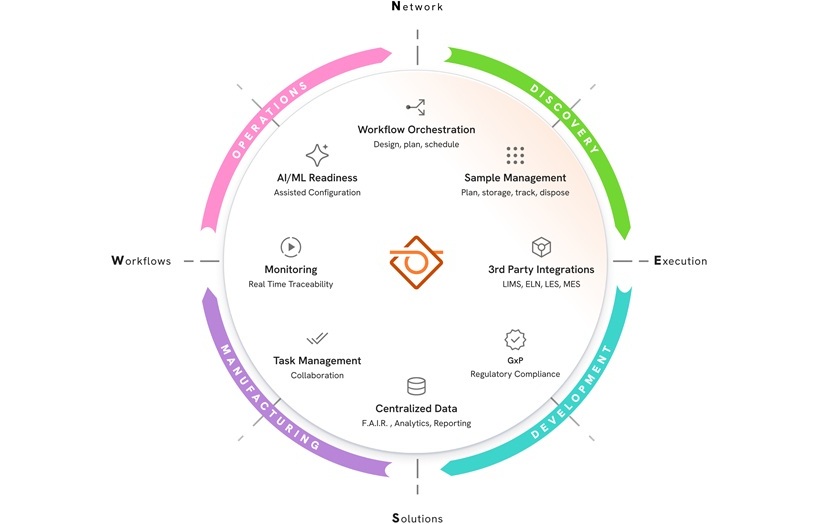
New AI-Powered System Aims to Streamline Laboratory and Manufacturing Workflows
Scientific laboratories supporting drug development, biotechnology, and materials research increasingly rely on coordinated digital workflows to move data, samples, and activities across teams.... Read more
Industry
view channel
Collaboration Brings Tumor-Informed MRD Monitoring to Breast Cancer Care in Abu Dhabi
For many patients, cancer treatment does not eliminate the risk of recurrence, which may occur months or years later and become harder to treat after spreading. Recurrence is often detected only after... Read more