Assay Detects West Nile Virus Protease Inhibitors
By Biotechdaily staff writers
Posted on 29 May 2007
An assay kit is commercially available for the detection of West Nile virus (WNV) protease NS3 inhibitors.Posted on 29 May 2007
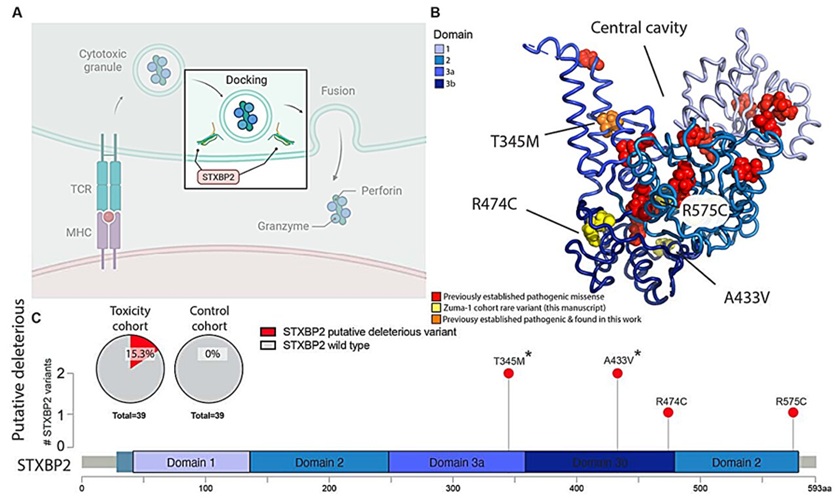
WNV contains a single-stranded, positive-sense RNA genome, which encodes three structural proteins--capsid (C), membrane (M), envelope (E), and seven non-structural proteins (NS1, NS2A, NS2B, NS3, NS4A, NS4B, NS5). NS3 protease is essential (along with viral-encoded cofactor NS2B) for post-translational processing of a viral polypeptide precursor in infected host cells. This polypeptide provides the structural and functional viral proteins. Inhibition of its processing could represent a potential treatment for viral infections. With no effective vaccine or antiviral drug to protect against WNV infection, this protease represents a potentially key target for developing anti-WNV drugs.
AnaSpec (San Jose, CA, USA) WNV protease assay kits provide a convenient, homogeneous assay for high-throughput screening of West Nile virus protease NS3 inhibitors. Utilizing an AMC-labeled substrate (SensoLyte 440 WNV protease assay kit) or a fluorescence resonance energy transfer (FRET) peptide (SensoLyte 570 WNV protease assay kit), these assays provide continuous quantification of protease activity.
WNV, from the family Flaviviridae, was first identified in the West Nile district of Uganda in 1937. WNV outbreaks have been reported in Israel in the 50's, France in the 60's and South Africa in the 1970s. In 1999, the first documented WNV infection in the United States was reported in New York. The main route of human infection is through infected mosquito bites. WNV infection can cause severe neurologic disease and fatalities in both human and animal hosts.
Related Links:
AnaSpec



New
Gold Member

POC Helicobacter Pylori Test Kit
Hepy Urease Test


Pipette Calibration System
Artel PCS®
New
Gold Member

Pre- Eclampsia Control
Acusera Pre-Eclampsia Control