Ultrasensitive Blood Test Detects Sjögren’s Signature Years Before Diagnosis
Posted on 21 Jul 2026
Sjögren’s disease is a common autoimmune condition that can be difficult to recognize early, leading to delayed diagnosis and persistent symptom burden. It affects around half a million people in the UK and disproportionately impacts women, who account for about 90% of cases. Current care remains largely symptomatic because there is no cure, and disease mechanisms vary between patients. A new study shows that an ultrasensitive blood test can detect immune signaling signatures more than a decade before diagnosis, enabling precision stratification.
Scientists at the University of Edinburgh, working with the University of Bonn, developed an ultrasensitive interferon alpha (IFN-α) blood test that can identify patients with chronic activation of this pathway. The approach measures IFN-α at extremely low concentrations, allowing detection of individual molecules. Pinpointing IFN-α activity could help match patients to therapies that specifically suppress this pathway. In the disease context studied, immune activity targets exocrine glands, such as those producing tears and saliva, and can also involve other organs.
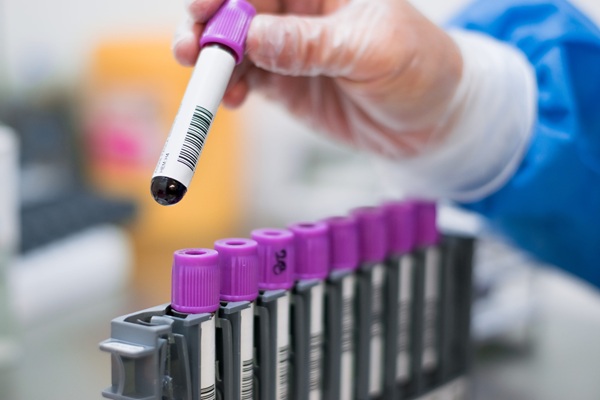
Investigators examined the immune profiles of more than 170 women and men with Sjögren’s disease. Approximately 60% showed elevated IFN-α, which correlated with differential activity of immune-related genes and produced a distinctive protein fingerprint in blood. The same molecular signature was then evaluated using blood samples from 250 people in the UK Biobank who were later diagnosed with Sjögren’s disease.
Analysis revealed that IFN-α fingerprints were present more than ten years before clinical diagnosis. In complementary experiments, mice that produce high levels of IFN-α developed features of Sjögren’s disease and responded to a drug that blocks the biological effects of IFN-α. Together, these data support targeting IFN-α specifically in patients with high circulating levels.
The findings indicate at least two distinct immune pathways underpinning Sjögren’s disease, highlighting immune diversity that could guide precision treatment and risk prediction. The study, funded by the Chief Scientist Office and Wellcome, was published online in The Lancet Rheumatology on July 2, 2026, and involved collaborators from Newcastle University and University Hospital Dresden.
“Sjögren’s disease is a debilitating condition which is often overlooked. We are delighted to have shown how precision medicine technologies can be used in Sjögren’s disease to help decode the immune pathways which cause disease. We hope that this is an important step towards making our ultrasensitive IFN-α blood test available to people affected by this condition,” said Professor David Hunt, from the University of Edinburgh’s Institute for Neuroscience and Cardiovascular Research.
“Now, for the first time, we can take treatments geared toward suppressing the interferon effect and trial them specifically on patients with elevated interferon levels. We might also find new approaches to treatment that will help a large percentage of patients over the long term,” said Professor Rayk Behrendt, from the Institute of Clinical Chemistry and Clinical Pharmacology at the University Hospital Bonn.
Related Links:
University of Edinburgh
University Hospital Bonn



.jpg)