Two-in-One DNA Analysis Improves Diagnostic Accuracy While Saving Time and Costs
Posted on 05 Feb 2026
Diagnosing developmental disorders often relies on DNA sequence analysis, but this approach can miss epigenetic context such as DNA methylation, chemical modifications that regulate whether genes are transcribed. When DNA findings are inconclusive, physicians analyze methylation patterns, but this currently requires a separate, specialized test that is not widely available in routine hospital settings.
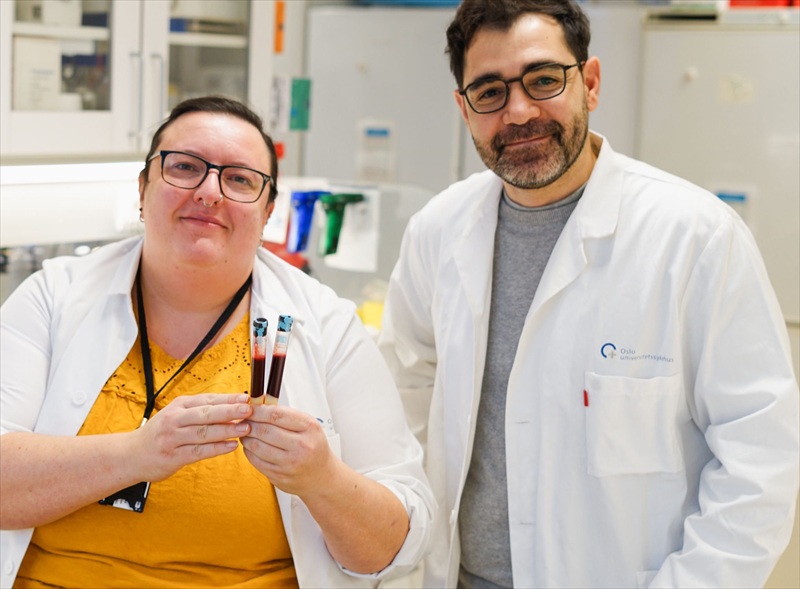
Researchers from Radboud University Medical Center (Radboud UMC; Nijmegen, Netherlands) now report that an advanced DNA decoding technique known as single long-read sequencing can reliably and effectively map DNA methylation at no additional cost. By combining genetic and epigenetic analysis in one workflow, the method saves time and resources while providing clearer clinical interpretation. Radboud UMC is the first hospital worldwide to implement long-read sequencing at scale as a first-line diagnostic test in routine clinical practice.
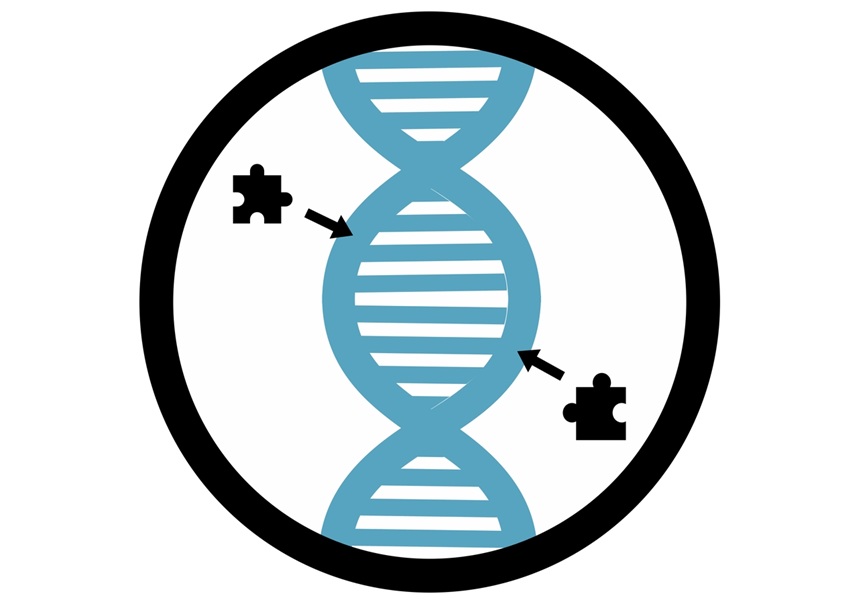
Earlier research had shown that single long-read sequencing provides a more complete view of DNA structure. The latest findings now demonstrate that the method also detects subtle genome-wide differences in methylation, revealing regions with higher or lower methylation levels. These patterns form condition-specific profiles, called episignatures, which allow clinicians to infer the presence of pathogenic DNA changes in specific genes based solely on the methylation profile. The study was published in Genome Medicine on January 26, 2026.
"Sometimes we find a striking DNA change in a gene, but we’re not sure whether it causes the developmental disorder. In such cases, we can compare the methylation profile with those of other patients known to have the disorder. This helps us determine whether the mutation is truly the cause or not. This leads to more accurate diagnoses," explained study leader Christian Gilissen, Professor of Genome Bioinformatics at Radboud UMC.
Related Links
Radboud UMC





 (3) (1).png)