Diagnostic Platform Helps Identify and Monitor Eye Diseases
By LabMedica International staff writers
Posted on 21 Sep 2009
A technology suite identifies all major categories of eye diseases and supports all ophthalmic and optometric specialties.Posted on 21 Sep 2009
The devices capture more than 100,000 visual images per day, providing eye care professionals with critical details about the tissues and structures that lie deep inside the eye.
Carl Zeiss Meditec (Jena, Germany) placed more than 10,000 optical coherence tomography (OCT) platforms worldwide. These units include the Cirrus HD-OCT, the Stratus OCT and the Visante OCT.
"From the time that we set out to develop the first OCT platform, we intended to revolutionize the ophthalmic diagnostic industry," said Carmen A. Puliafito, M.D., M.B.A., Dean of the Keck School of Medicine of the University of Southern California (USC; Los Angeles, CA, USA), and one of the pioneers of the technology. "OCT technology provides clinicians with images of the eye that no other platform can provide. It is an indispensable tool for the retina practice and pivotal for determining which patients to treat and which intervention to provide, whether pharmacologic or surgical. OCT is especially important to monitor the effectiveness of the new AMD [age-related macular degeneration] drugs that are entering the market."
Carl Zeiss Meditec continues to develop powerful software tools to maximize the efficiency and longevity of its OCT technology. New glaucoma and retina imaging applications for Cirrus HD-OCT provide the most detailed scan patterns and layer maps available for identifying retinal and glaucoma disease characteristics, and monitoring disease progression. Guided Progression Analysis (GPA) software for Stratus OCT accurately predicts a patient's stage of disease, rate of progression and risk of future vision loss by measuring statistically significant change.
Related Links:
Carl Zeiss Meditec
University of South Carolina




Platinum Member

Automated Coagulation Analyzer
Hemolumi H6
Gold Member

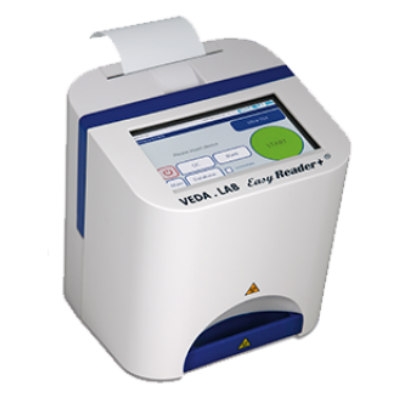
Quantitative POC Immunoassay Analyzer
EASY READER+
New

Neurofilament Light Chain Assay
Lumipulse G NfL Blood
New
Silver Member

Vitamin D Assay
EZ Vitamin D Assay