Study Confirms Barrett’s Esophagus as Precursor to Esophageal Cancer
Posted on 16 Apr 2026
Esophageal adenocarcinoma is rising in Western countries and is often detected late, limiting treatment options. Clinicians suspect many cases begin in Barrett’s esophagus, yet the precursor lesion is frequently absent at diagnosis, complicating screening strategies. Clear confirmation of the initiating pathway would refine whom to test and how to monitor progression. New findings now provide strong evidence of Barrett’s esophagus as the initiating lesion for esophageal adenocarcinoma and identify molecular markers that could support earlier detection.
University of Cambridge investigators at the Li Ka Shing Early Cancer Institute led an integrated epidemiological–genomic analysis to interrogate the trajectory from Barrett’s esophagus to esophageal adenocarcinoma (OAC). The approach combined whole genome sequencing (WGS) and whole exome sequencing (WES) with clinical and surgical data. The work addresses whether OAC can arise independently of Barrett’s esophagus, a key uncertainty that has hindered targeted screening.
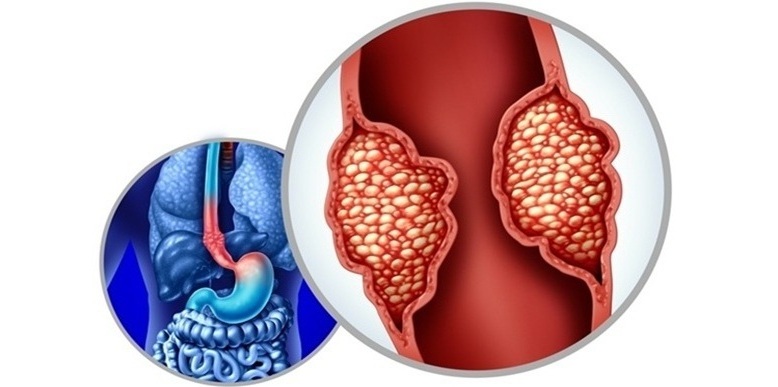
Researchers analyzed epidemiological and clinical data from 3,100 OAC patients who underwent tumor or diseased-tissue resection, recruited from 25 centers across the United Kingdom. Genomic profiling comprised WGS in 710 patients to assess variants across the entire DNA sequence, and multi-sample WES in 87 patients to evaluate tumor evolution and intratumoral heterogeneity. The team prespecified that distinct molecular landscapes between cancers with and without visible Barrett’s esophagus would support alternative initiation routes.
Just 35% of participants had a prior diagnosis of Barrett’s esophagus, yet cancers from patients with and without visible Barrett’s tissue were genomically and phenotypically indistinguishable. The only major difference was tumor stage, with cases lacking detectable Barrett’s esophagus tending to present more advanced disease. Notably, biomarkers associated with Barrett’s esophagus, including proteins TFF3 and REG4 within esophageal cells, were detected across disease stages, suggesting the originating Barrett’s tissue may be obscured or destroyed as tumors expand while leaving molecular traces that could flag future risk.
Findings are published in Nature Medicine on April 16, 2026. The study highlights opportunities for earlier detection using molecular assays that do not rely solely on endoscopic visualization of Barrett’s mucosa. Consistent with this direction, the article references development of a capsule sponge test to diagnose Barrett’s esophagus that can be administered in primary care settings.
“Cancer generally takes many years to evolve, giving us a window of opportunity to catch it before it develops into a life-threatening condition. Screening and preventative strategies can have a massive impact on the number of people who die from cancer, but if the link between precancers and cancer is unproven or unclear, screening programs risk doing more harm than good,” said Professor Rebecca Fitzgerald, Li Ka Shing Early Cancer Institute, University of Cambridge.
"We found no evidence for an alternative pathway to esophageal adenocarcinoma other than Barrett's esophagus. Because it seems to be the universal precursor, detecting Barrett's esophagus earlier could offer a clearer route to preventing esophageal cancer," said Dr. Shahriar Zamani, joint first author from the Li Ka Shing Early Cancer Institute at Cambridge and now based at the National Institutes of Health in Bethesda, US.
“Detecting the earliest signs that cancer might develop gives us the opportunity to intervene and potentially prevent the disease. This research helps to clarify how the most common type of esophageal cancer begins and, crucially, shows that the earliest signs are detectable even when doctors can’t see them," stated Dr. Dani Skirrow, Research Information Manager at Cancer Research UK.
"This opens the door to future tests that look for molecular clues of hidden pre-cancerous changes, helping people understand their risk of esophageal cancer and get the necessary support to help keep the disease at bay,” said Dr. Skirrow.
Related Links
University of Cambridge