Simple Cytogenetic Method Could Improve Classification of ALL Subtypes
Posted on 04 Jun 2026
Many cancers deviate from the normal chromosome number, but the clinical impact of extreme chromosome loss remains unclear. This widespread genomic disruption is associated with aggressive disease and poorer outcomes, complicating diagnosis and treatment decisions. For diagnostic laboratories, a persistent challenge is distinguishing biologically distinct leukemias that appear similar on routine testing. Researchers now report pan-cancer evidence for hypodiploidy and introduce a simple cytogenetic method to separate look-alike acute lymphoblastic leukemia (ALL) subtypes.
Trinity College Dublin investigators published the study in Genome Medicine after analyzing genome data from more than 17,000 tumors across 34 cancer types, representing the first large-scale, pan-cancer investigation of extreme chromosome loss (hypodiploidy). Extensive chromosome loss proved more widespread than previously appreciated and was frequently linked to highly unstable tumors that are harder to treat. Instability was observed at multiple scales, from small gene alterations to whole-genome doubling, and hypodiploid tumors tolerated and continued to evolve despite profound genomic disruption.
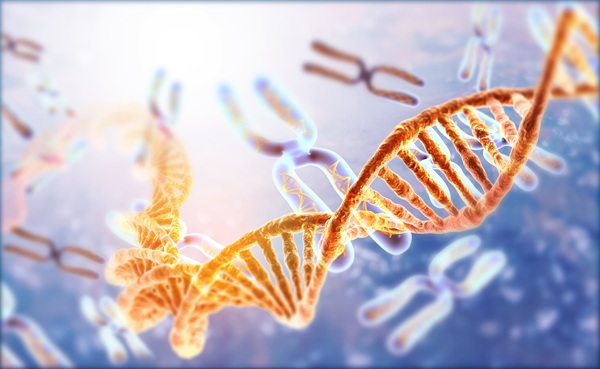
The research team identified a subset of cancers—including ALL, kidney chromophobe cancer, and adrenocortical carcinoma—that maintain stable, “stereotyped” chromosome-loss patterns over time. These consistent profiles contrasted with other hypodiploid tumors marked by pronounced genomic instability. The stereotyped patterns formed the basis for the ALL classification approach described.
The investigators also developed a simple method to distinguish two forms of ALL that can appear nearly identical under the microscope but have very different prognoses. The approach uses recurring chromosome-loss patterns detectable with routine laboratory cytogenetic data. By leveraging these stereotyped karyotypic features, the method is intended to support more accurate patient classification while minimizing both misclassification of aggressive disease and overtreatment of lower-risk cases.
Collectively, the results support a unifying principle: tumors with very different karyotypes—from extreme chromosome gain to extreme loss—can behave similarly when they share high levels of chromosomal instability. In these cancers, it is the instability itself, rather than any specific pattern of chromosome change, that appears to drive disease progression.
“Our findings could have important implications for diagnosis and patient care,” said Dr. Máire Ní Leathlobhair, senior author of the research, from Trinity’s School of Genetics and Microbiology. "One thing we focused on was leukemias that can appear very similar in routine chromosome testing but have very different outcomes for patients. By developing a simple way to distinguish these cases using cytogenetic data, our work could help doctors identify high-risk patients earlier and avoid misclassifying aggressive cancers as lower-risk disease or treating lower-risk forms overly aggressively."
“The study also strengthens the growing idea that chromosomal instability itself, the ongoing chaos and reshuffling inside cancer genomes, may be one of the key drivers of cancer aggressiveness. That matters because it shifts the focus away from individual mutations alone and toward the broader instability of the cancer genome. In practical terms, this could influence how future cancer therapies are designed and which patients are selected for particular treatments,” said Elle Loughran, lead author from Trinity College Dublin.
Related Links
Trinity College Dublin



 Assay.jpg)