Period Blood Test for HPV Could Replace Cervical Screening
Posted on 10 Feb 2026
Cervical cancer screening relies heavily on clinician-collected samples, yet many women do not attend screening appointments due to fear of pain, concerns about privacy, stigma, or lack of awareness. Persistent infection with certain types of human papillomavirus is the main cause of cervical cancer, making human papillomavirus (HPV) testing central to early detection. Researchers have now shown that HPV testing using menstrual blood can detect high-grade cervical lesions with accuracy comparable to clinician-based screening, offering a non-invasive and home-based alternative.
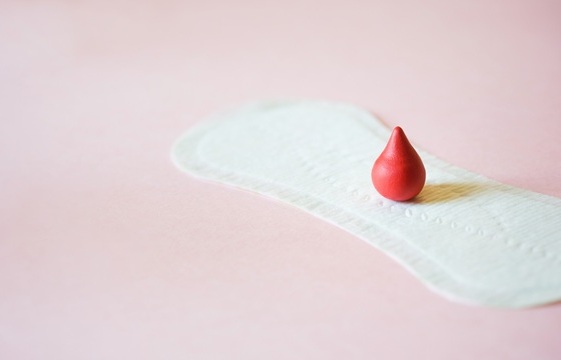
In a study led by Huazhong University of Science and Technology (Hubei, China), researchers investigated whether menstrual blood collected during routine menstruation could replace clinician-collected cervical samples for HPV testing. Participants used a specially designed minipad, consisting of a sterile cotton strip attached to a standard sanitary pad, allowing menstrual blood to be collected without clinical procedures or discomfort.
The study enrolled women aged 20–54 years with regular menstrual cycles from both urban and rural communities. Each participant provided three samples: menstrual blood collected using the minipad, a clinician-collected cervical sample for HPV testing, and an additional cervical sample for laboratory confirmation. A mobile application was also integrated to deliver test results and clinical guidance, supporting remote communication and follow-up.
The analysis included 3,068 women enrolled between 2021 and 2025. Menstrual blood HPV testing showed a sensitivity of 94.7% for detecting high-grade cervical lesions, comparable to the 92.1% sensitivity of clinician-collected samples. Specificity was slightly lower, but the negative predictive value was identical for both methods.
The findings, published in The BMJ, indicate that menstrual blood HPV testing can reliably rule out disease and identify women who need further evaluation. Referral rates for additional diagnostic procedures were similar between the two testing approaches. Researchers suggest this method could expand screening access, particularly for women who avoid clinic-based exams, and support large-scale, population-level screening programs when combined with digital health platforms.
“The results of this large-scale community-based study show the utility of using minipad collected menstrual blood for HPV testing as a standardized, non-invasive alternative or replacement for cervical cancer screening,” stated the study authors. “The findings of this study support the integration of menstrual blood-based HPV testing into national cervical cancer screening guidelines.”
Related Links:
Huazhong University of Science and Technology