Rapid Sequencing Could Transform Tuberculosis Care
Posted on 05 Mar 2026
Tuberculosis remains the world’s leading cause of death from a single infectious agent, responsible for more than one million deaths each year. Diagnosing and monitoring the disease can be slow because laboratory testing often requires growing the bacteria in culture for several weeks before genetic analysis can begin. These delays limit the ability of clinicians and public health teams to quickly identify drug resistance and guide treatment decisions. Researchers have now adapted a sequencing technique originally used during the COVID-19 pandemic to analyze tuberculosis samples far more rapidly.
Scientists at Yale School of Public Health (New Haven, CT, USA) adapted tiled amplicon sequencing, a method widely used during the COVID-19 pandemic to monitor emerging viral variants. This approach uses thousands of small DNA fragments called amplicons to copy overlapping segments of a pathogen’s genome. When combined, these fragments reconstruct the full genetic sequence. Unlike traditional methods, the technique allows researchers to sequence the genome of Mycobacterium tuberculosis directly from patient samples without culturing the bacteria first.
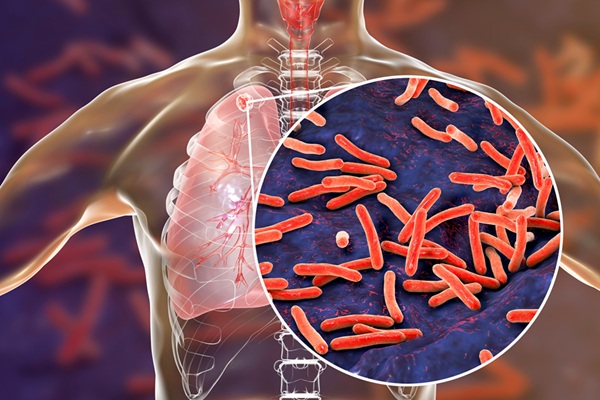
The researchers designed a protocol containing 5,128 primers to capture the entire tuberculosis genome, which is more than 100 times larger than that of SARS-CoV-2. Using patient samples from Moldova and Peru, the method successfully reconstructed full bacterial genomes within days—even when bacterial concentrations were low or other microbes were present. The study, published in the Journal of Clinical Microbiology, showed that the approach can reduce sequencing time from several weeks to just a few days while lowering costs from hundreds of dollars per sample to under USD 20.
The faster and lower-cost sequencing method could improve tuberculosis surveillance and treatment decisions, particularly in low- and middle-income countries where the disease burden is highest. Rapid genome analysis may help clinicians detect drug-resistant strains sooner and support public health efforts to track transmission patterns. Researchers are now working with partners in Moldova to test the method in real-world clinical settings. Future studies will compare the new protocol with traditional culture-based sequencing and evaluate its broader impact on tuberculosis care and global disease control.
“We can sequence brilliantly in New Haven. We can sequence brilliantly in London. We can sequence in the places where we have all the resources, but the drug-resistant TB is in other places,” said Dr. Seth Redmond, BSc, MSc, PhD, an associate research scientist at YSPH and the study’s senior author. “It’s in South Africa. It’s in Moldova. It’s in India. These are the places where we need to make sure this works.”
Related Links:
YSPH