New Technology Deciphers Immune Cell Communication to Predict Immunotherapy Response
Posted on 09 Aug 2025
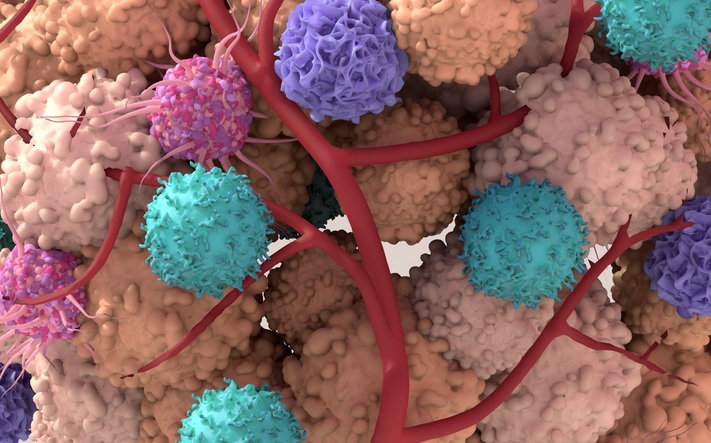
A healthy immune system depends on complex communication between specialized cell types that detect, alert, and eliminate harmful threats. When these immune signaling pathways break down, the result can be autoimmune disorders, uncontrolled infections, or cancer progression. Cancer cells, in particular, can block or manipulate immune communication to evade detection and resist treatment, making it difficult to predict which patients will respond to immunotherapies. Now, a new technology that allows researchers to “listen in” on this immune cell dialogue could help predict who will benefit from immunotherapy.
A research team, led by the Berlin Institute of Health at Charité (Berlin, Germany), Max Delbrück Center (Berlin, Germany), and collaborators, has developed a new technology that decodes how immune cells interact. This innovation allows researchers to "listen in" on immune cell dialogue, measuring millions of cell-to-cell interactions rapidly and cost-effectively. The tool bridges medicine, computer science, and biology.
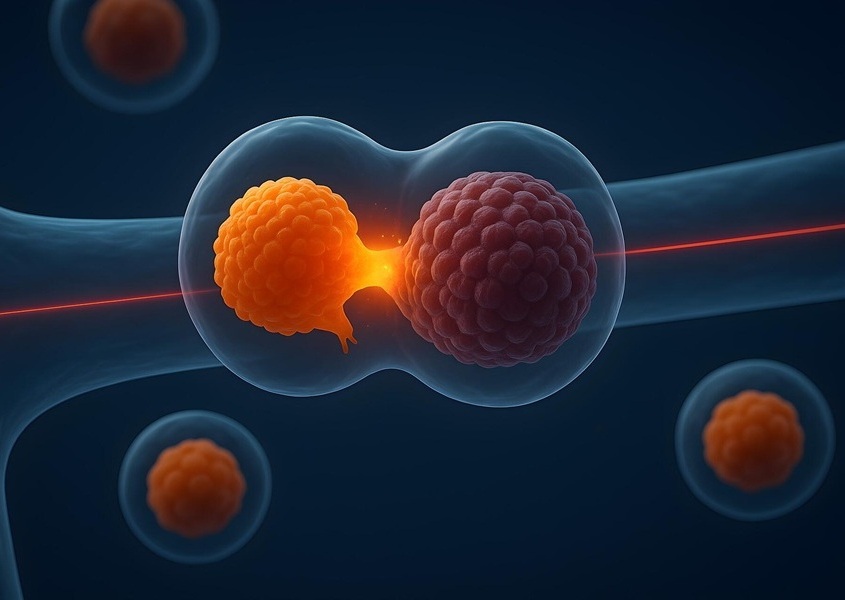
The researchers tested the technology in multiple disease contexts, including cancer, viral infections, and autoimmune conditions. They used it to study how immunotherapies influence immune cell communication and mapped dynamic immune networks across tissues in high resolution. Their findings, published in Nature Methods, highlight how this method can track immune behavior and its evolution over time.
These insights pave the way for personalized immunotherapies by predicting which patients will benefit most from treatment. The technology also offers a powerful tool to understand immune coordination in diverse diseases. The team is now partnering with clinical institutions to implement the tool in practice and improve patient outcomes by tailoring therapies more precisely.
Related Links:
Berlin Institute of Health at Charité
Max Delbrück Center