Improved Detection of Polyomavirus in Merkel Cell Carcinoma
By LabMedica International staff writers
Posted on 20 Nov 2012
An improved detection system suggests that all Merkel cell carcinomas (MCC), a rare skin cancer, harbor Merkel polyomavirus.Posted on 20 Nov 2012
The sensitivity of detection of Merkel polyomavirus (MCPyV) in MCC has been improved, enabling high-confidence discrimination between virus-positive and virus-negative tumors.
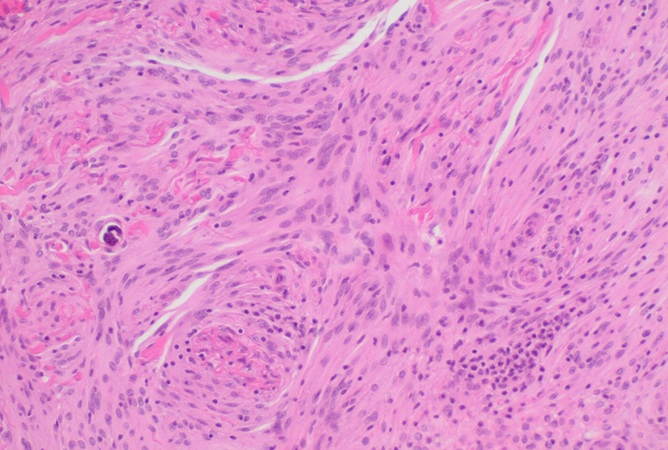
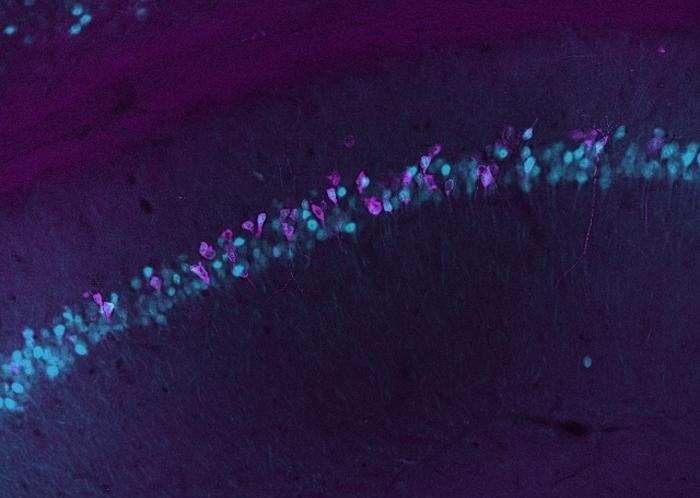
A team of scientists collaborating with those at the Dana Farber Institute (Boston, MA, USA) analyzed 75 archival formalin-fixed, paraffin-embedded (FFPE) tissue samples of MCC tumor specimens obtained from 60 patients. They performed immunohistochemistry staining with a newly developed mouse monoclonal antibody specific for MCPyV large T antigen. They also developed several quantitative polymerase chain reaction (qPCR) primers and probe sets to determine the viral copy number per tumor cell. Furthermore, they performed mass spectrometry based genotyping of 112 oncogenes and tumor suppressor genes from DNA extracted from these same tumor samples.
The newly developed monoclonal antibody Ab3 showed markedly increased sensitivity in detecting MCPyV large T antigen in 56 of 58 (97%) MCC tumors tested compared with another monoclonal antibody, known as CM2B4, which detected only 80%. Additionally mutations in the gene tumor protein (TP53) were identified in the two tumors that lacked detectable MCPyV. From 75 tumor specimens, only four tumor specimens contained a validated point mutation in any of the 112 oncogenes and tumor suppressor genes evaluated.
The authors concluded that that the presence of MCPyV in MCC is more common than previously reported and that improved detection methods may reveal that all MCC specimens contain viral DNA. The results of this study support the model that the MCPyV T antigens contribute to the pathogenesis of MCC and when their expression is absent, somatic mutations in TP53 and potentially other genes may be selected during oncogenesis. The study was published on November 1, 2012, in the Journal of Clinical Investigation.
Related Links:
Dana Farber Institute




Gold Member

Flocked Fiber Swabs
Puritan® Patented HydraFlock®



Automated Urinalysis Solution
UN-9000

Rapid Sepsis Test
SeptiCyte RAPID